










How to integrate kinetic triangle LED panels into stage design?
Explore the essential aspects of integrating kinetic triangle LED light panels into stage design, including their features, benefits, installation, and maintenance.
Kinetic triangle LED light panels are revolutionizing stage design by combining dynamic movement with vibrant illumination. These panels offer a unique way to enhance visual experiences in various settings, from concerts to theatrical performances.
What Are Kinetic Triangle LED Light Panels?
Kinetic triangle LED light panels are modular lighting fixtures that can move vertically, creating dynamic lighting effects. They consist of LED panels shaped like triangles, which can be synchronized to produce coordinated movements and lighting patterns. This integration of motion and light adds depth and excitement to stage designs.
Key Features and Benefits
Dynamic Movement: These panels can move up and down, allowing for the creation of various visual effects and transitions.
Vibrant Illumination: Equipped with high-quality LEDs, they provide bright and colorful lighting, enhancing the visual appeal of the stage.
Modular Design: Their modular nature allows for flexible configurations, enabling designers to create custom lighting setups tailored to specific performance needs.
Synchronization: Multiple panels can be synchronized to perform coordinated movements and lighting changes, adding complexity and sophistication to the stage design.
Integrating Kinetic Triangle LED Panels into Stage Design
Planning and Design: Begin by assessing the stage space and determining the desired visual effects. Sketch potential configurations and consider how the panels will interact with other stage elements.
Selecting the Right Panels: Choose panels that meet your design requirements. Consider factors such as size, weight capacity, movement speed, and control options. For instance, FENG-YI offers kinetic triangle LED panels with adjustable lifting strokes and DMX512 control, suitable for large-scale events. ((https://www.fyilight.com/kinetic-triangle-led-panel))
Installation: Proper installation is crucial for safety and performance. Ensure that the panels are securely mounted and that all wiring is correctly connected. It's advisable to consult with professionals or refer to the manufacturer's installation guidelines.
Programming and Control: Utilize compatible control systems to program the panels. DMX512 is a common protocol used for controlling kinetic lighting systems, allowing for precise control over movements and lighting effects.
Maintenance: Regular maintenance ensures optimal performance. This includes checking for mechanical issues, cleaning the panels, and updating software or firmware as needed.
Considerations for Effective Integration
Space Requirements: Ensure that the stage has sufficient space for the panels to move freely without obstruction.
Power Supply: Verify that the venue's power supply can accommodate the additional load of the kinetic lighting system.
Safety Protocols: Implement safety measures to prevent accidents, such as securing all cables and ensuring that moving parts do not pose a hazard to performers or crew.
Conclusion
Integrating kinetic triangle LED light panels into stage design can significantly enhance the visual impact of performances. By carefully planning, selecting appropriate panels, and ensuring proper installation and maintenance, designers can create immersive and dynamic lighting experiences that captivate audiences.
FENG-YI's Advantages
FENG-YI stands out in the kinetic lighting industry by offering innovative solutions tailored to diverse performance needs. Their kinetic triangle LED panels are designed for large-scale events, featuring adjustable lifting strokes and DMX512 control, ensuring flexibility and precision in stage design. ((https://www.fyilight.com/kinetic-triangle-led-panel))
References:
FENG-YI Programmable Kinetic Triangle LED Panel. ((https://www.fyilight.com/kinetic-triangle-led-panel))
China Kinetic Triangle Panel and Kinetic Triangle Tube 2-In-1 FUNCTION factory and manufacturers | Fyl.
EFM8BB1 Kinetic Light Triangles : 14 Steps (with Pictures) - Instructables.
Triangle Beam Panel.
Kinetic Rotating LED Triangle – AVC.
CIRRUS MIYO TRIANGLE WITH LIT CORNERS.
Recommended for you
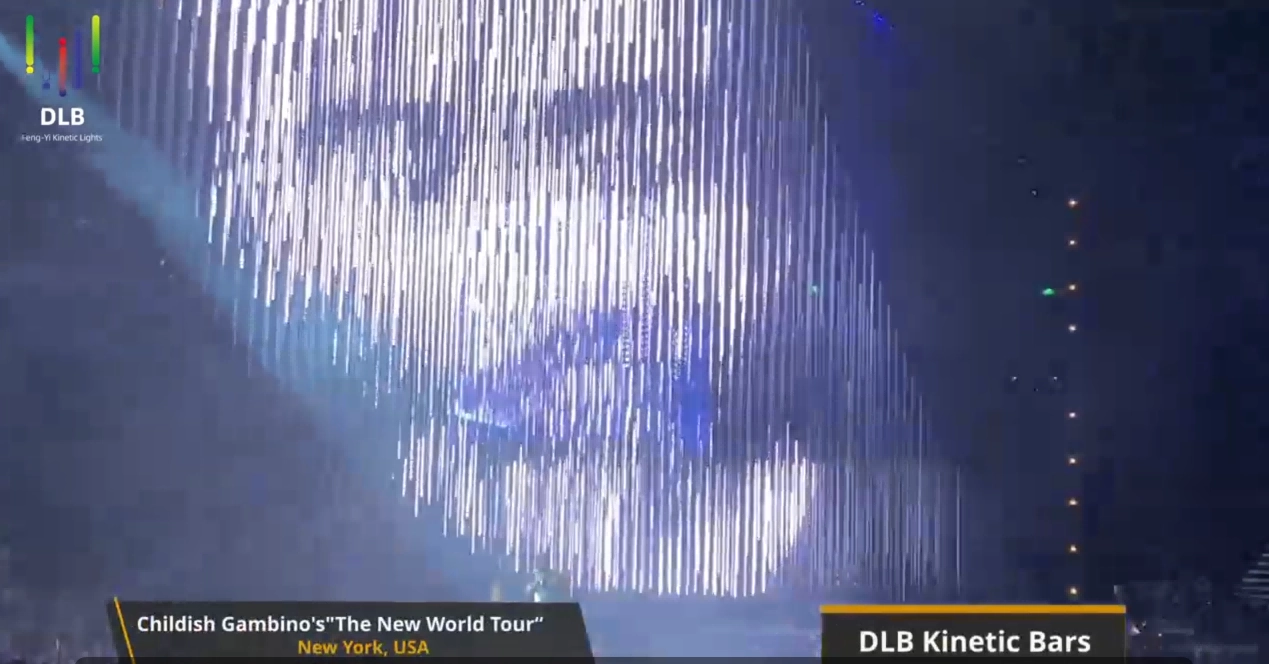
US New York -A Lighting Revolution at the Childish Gambino’s The New Would Tour-Dynamic Bar
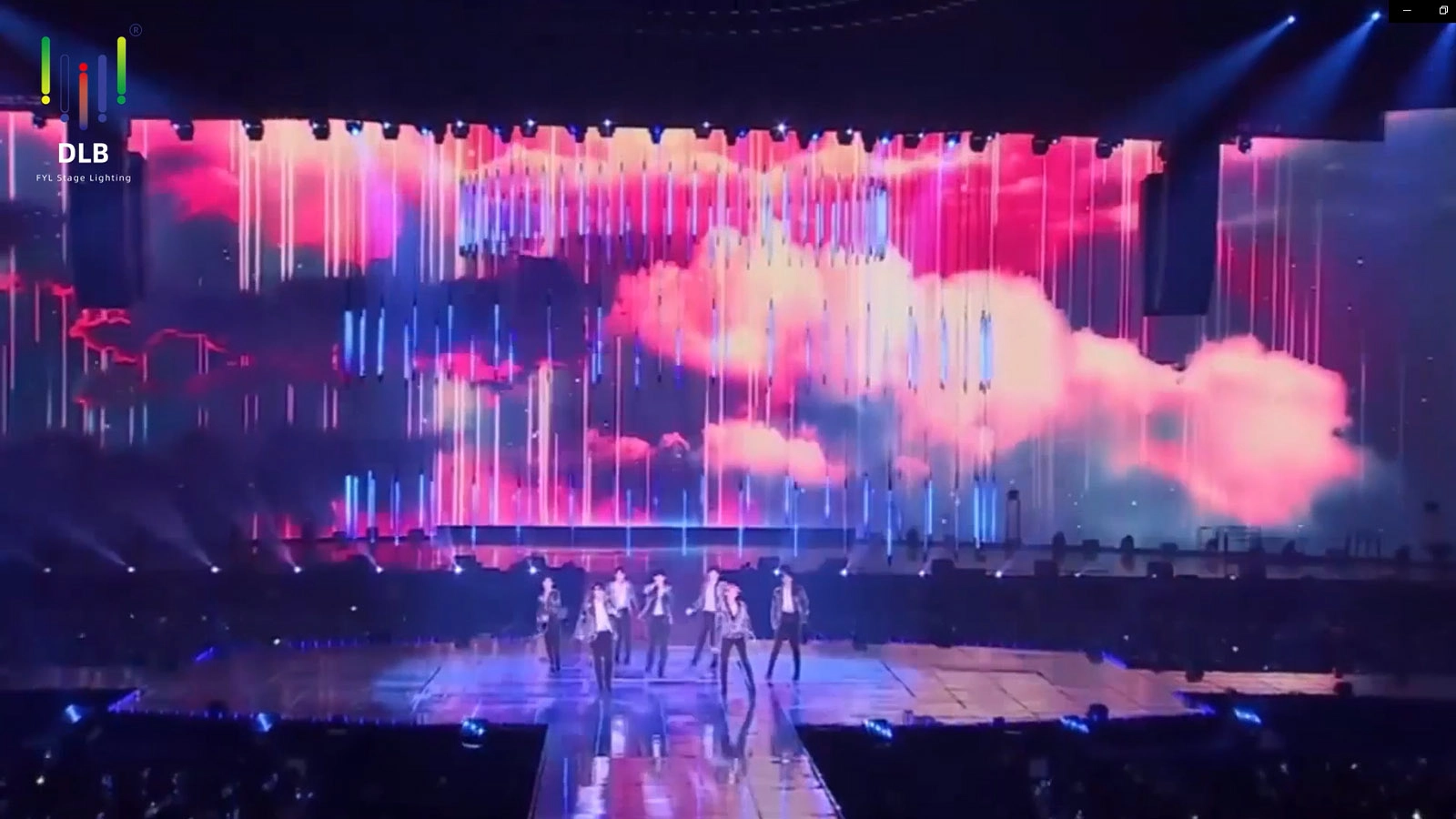
South Korea Seoul -Got7 concert-Dynamic Bar
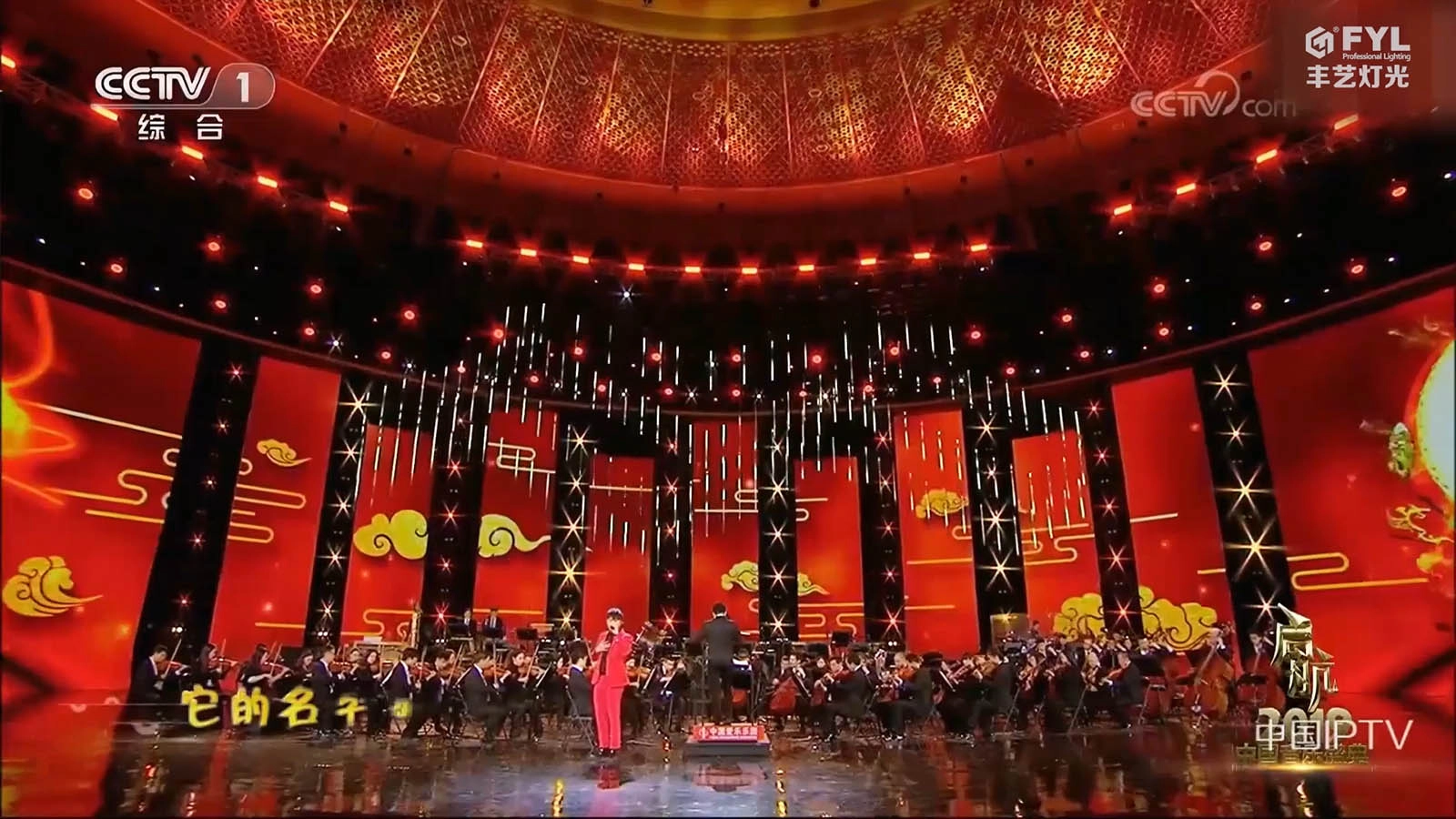
Beijing China-CCTV 2019 China Music Awards-Dynamic Bar
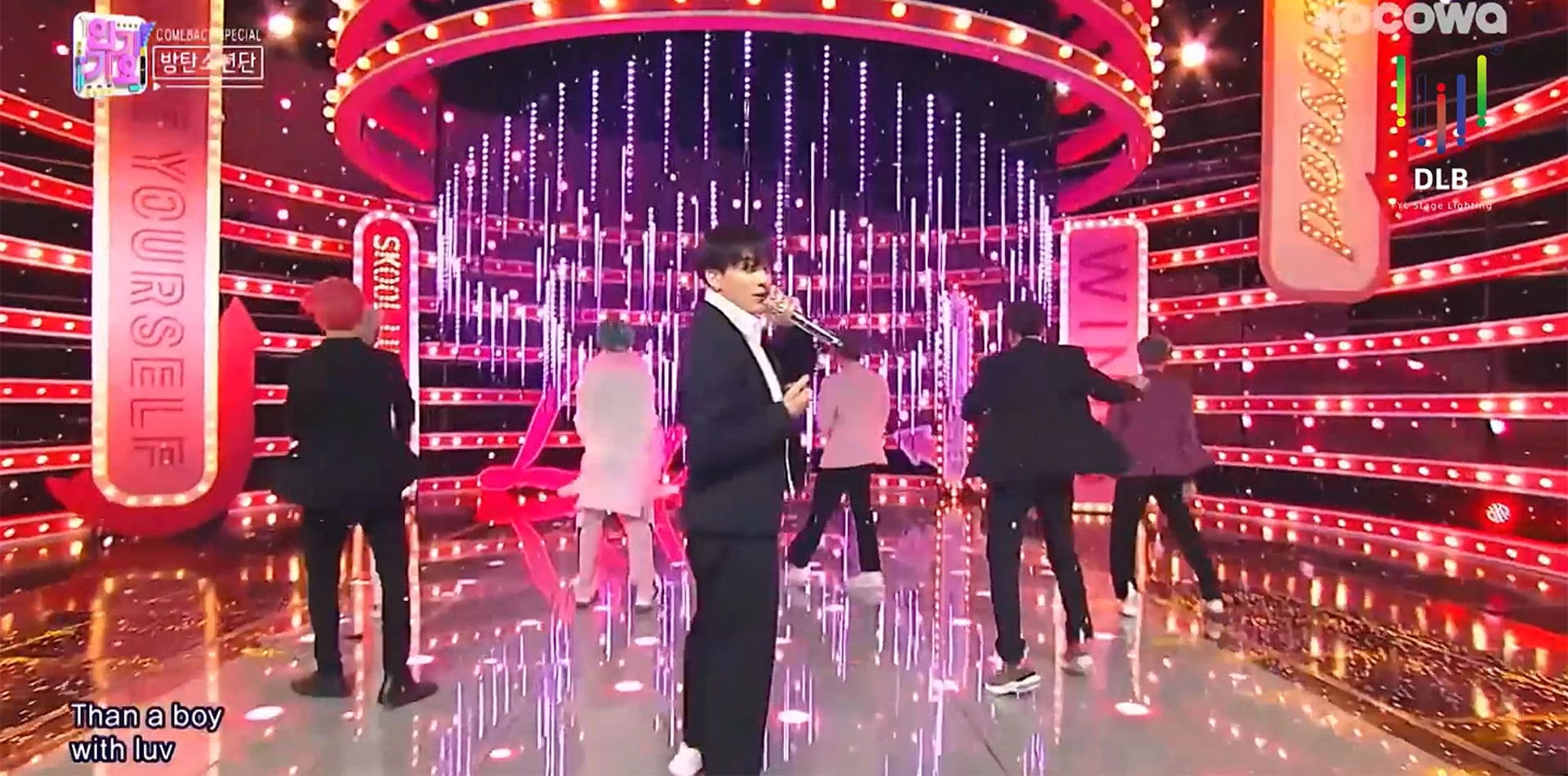
South Korea-BTS's "Boy with Luv" performance-Dynamic Bars
Prdoucts Categories
FAQ
Logistics Services
How is the lamp packaging protected? What if damage occurs during transportation?
The packaging adopts three-layer protection: shockproof foam + hard carton + wooden box (for large equipment such as elevating lights). Key parts of the lamp (e.g., moving head light lens, elevating structure) are individually wrapped with EPE foam. If damage occurs during transportation, the customer must take photos (of the damaged packaging and the faulty part of the product) and send them to the logistics department within 24 hours of receipt. We will give priority to reissuing new products (or arranging repairs) and hold the logistics company responsible. The customer does not need to bear additional costs.
Products
The cutting blades do not move linearly. How to troubleshoot?
Fix with these steps:
1. Channel Check: Ensure the correct cutting channel (e.g., Cut 1: CH24) is selected on the controller; set the channel value to 100-255 (0=no movement).
2. Motor Calibration: Enter "Factory Settings → Motor Calibration → Cut 1" and adjust the offset (-128~+127) to compensate for mechanical errors.
3. Mechanical Blockage: Power off the fixture and check if debris (dust, wire) is blocking the blade’s travel path; clean the path with a soft brush and re-test.
After-Sales Support
What is included in the product warranty scope? How to handle human-induced damage (e.g., falling, water ingress)?
Warranty scope: Hardware faults caused by non-human factors (e.g., motor failure, lamp bead non-illumination, light control failure). The whole machine is warranted for 1 year, LED lamp beads for 2 years, and core components of the elevating structure (e.g., hydraulic pump, motor) for 2 years. For human-induced damage, a cost fee will be charged for repairs (e.g., replacing the elevating motor requires charging the motor cost + repair fee). The after-sales team will first provide a fault detection report and repair quotation, and repairs will start only after the customer confirms.
Customization/OEM Services
What is the production cycle for customized products? Is sample trial production supported?
The production cycle for regular customization (e.g., appearance logo, parameter fine-tuning) is 15-20 days, and the cycle for complex function customization (e.g., development of a new elevating structure) is 30-45 days. Sample trial production is supported. The sample fee is charged based on the customization cost (the fee can be deducted from the payment after bulk ordering). The trial production cycle is 7-10 days, and bulk production will start only after the customer confirms the sample is qualified.
Want to learn more about the latest updates?
Have questions or ready to illuminate your project? Reach out to our expert team today.
Rest assured that your privacy is important to us, and all information provided will be handled with the utmost confidentiality.
By clicking "Send your message," I agree to your processing my personal data.
To see how to withdraw your consent, how to control your personal data, and how we process it, please see our Privacy Policy and Terms of Use.

FENG-YI has been continuously innovating and has grown into a Kinetic Lights Manufacturer and solution provider with unique advantages.
Contact
+86 181 2785 5301
Address
Building 5, No. 34, Fuyuan Road, Jinghu IndustrialZone, Xinhua Town, Huadu District, Guangzhou, China.
© 2025 FENG-YI. All Rights Reserved.
Facebook
Instagram
YouTube
TikTok