










Can kinetic triangle LED panels create dynamic lighting effects?
Explore the dynamic capabilities, installation considerations, and maintenance of kinetic triangle LED light panels, essential for professionals in the lighting industry.
- Kinetic Triangle LED Light Panels: A Comprehensive Guide for Industry Professionals
- 1. What Are Kinetic Triangle LED Light Panels?
- 2. How Do Kinetic Triangle LED Panels Create Dynamic Lighting Effects?
- 3. What Are the Installation Requirements for Kinetic Triangle LED Light Panels?
- 4. Are Kinetic Triangle LED Panels Energy-Efficient?
- 5. How Durable Are Kinetic Triangle LED Light Panels?
- 6. Can Kinetic Triangle LED Panels Be Integrated with Other Lighting Systems?
- 7. What Maintenance Is Required for Kinetic Triangle LED Light Panels?
- 8. How Do Kinetic Triangle LED Panels Enhance the Visual Experience?
- FENG-YI: Leading the Way in Kinetic Lighting Solutions
Kinetic Triangle LED Light Panels: A Comprehensive Guide for Industry Professionals
Kinetic triangle LED light panels are revolutionizing the lighting industry by offering dynamic and customizable lighting solutions. This guide addresses common questions and provides essential insights for professionals considering the integration of these panels into their projects.
1. What Are Kinetic Triangle LED Light Panels?
Kinetic triangle LED light panels are modular lighting units designed to create dynamic, interactive lighting displays. They consist of interconnected triangular panels that can be arranged in various configurations to produce intricate lighting effects. These panels are often equipped with RGB LEDs, allowing for a wide spectrum of colors and patterns.
2. How Do Kinetic Triangle LED Panels Create Dynamic Lighting Effects?
These panels utilize advanced control systems to synchronize lighting patterns across multiple units. By programming specific sequences and integrating sound activation features, they can produce synchronized light shows that respond to music or ambient noise. This capability is particularly beneficial for events, concerts, and interactive installations.
3. What Are the Installation Requirements for Kinetic Triangle LED Light Panels?
Installation typically involves mounting the panels on walls or ceilings using adhesive or mounting hardware. It's crucial to ensure that the surface can support the weight and dimensions of the panels. Additionally, proper wiring and access to power sources are necessary. Some systems may require a Wi-Fi connection for remote control and synchronization.
4. Are Kinetic Triangle LED Panels Energy-Efficient?
Yes, these panels are designed with energy efficiency in mind. They utilize LED technology, which consumes significantly less power compared to traditional lighting solutions. For instance, a 4-foot LED panel can offer brightness equivalent to a 50-watt halogen fixture while consuming only 8 watts of power.
5. How Durable Are Kinetic Triangle LED Light Panels?
The durability of these panels depends on the materials used in their construction. High-quality panels are built to withstand regular use and environmental factors. However, it's essential to follow the manufacturer's guidelines for installation and maintenance to ensure longevity.
6. Can Kinetic Triangle LED Panels Be Integrated with Other Lighting Systems?
Many kinetic triangle LED panels are compatible with standard lighting control protocols, such as DMX512, allowing integration with other lighting systems. This compatibility enables centralized control and synchronization across various lighting elements in a venue. ((https://www.fyilight.com/kinetic-lighting-vs-static-lighting-pros-cons/))
7. What Maintenance Is Required for Kinetic Triangle LED Light Panels?
Maintenance involves regular cleaning to remove dust and debris, which can affect light output. It's also important to check for software updates if the panels are controlled via an app or central system. Periodic inspections for any signs of wear or damage are recommended to ensure optimal performance.
8. How Do Kinetic Triangle LED Panels Enhance the Visual Experience?
By offering customizable lighting patterns and colors, these panels can transform a space, creating immersive environments. They are particularly effective in settings like nightclubs, theaters, and art installations, where dynamic lighting is essential to the overall experience.
FENG-YI: Leading the Way in Kinetic Lighting Solutions
FENG-YI stands at the forefront of kinetic lighting technology, offering innovative solutions that combine aesthetic appeal with functional design. Their products are engineered for energy efficiency, durability, and ease of integration, making them a preferred choice for professionals seeking to elevate their lighting projects.
Sources:
- U.S. Department of Energy — Solid-State Lighting and LED efficiency guidance
- Lighting Research Center (Rensselaer Polytechnic Institute) — Lighting controls, maintenance and lifecycle considerations
- MADRIX product and user documentation — typical use in pixel-mapped lighting installations
- Industry actuator and motor specifications — representative power draw and duty-cycle guidance from motor manufacturers
- Case studies from lighting and stage design publications covering kinetic installations and ROI discussions
Recommended for you
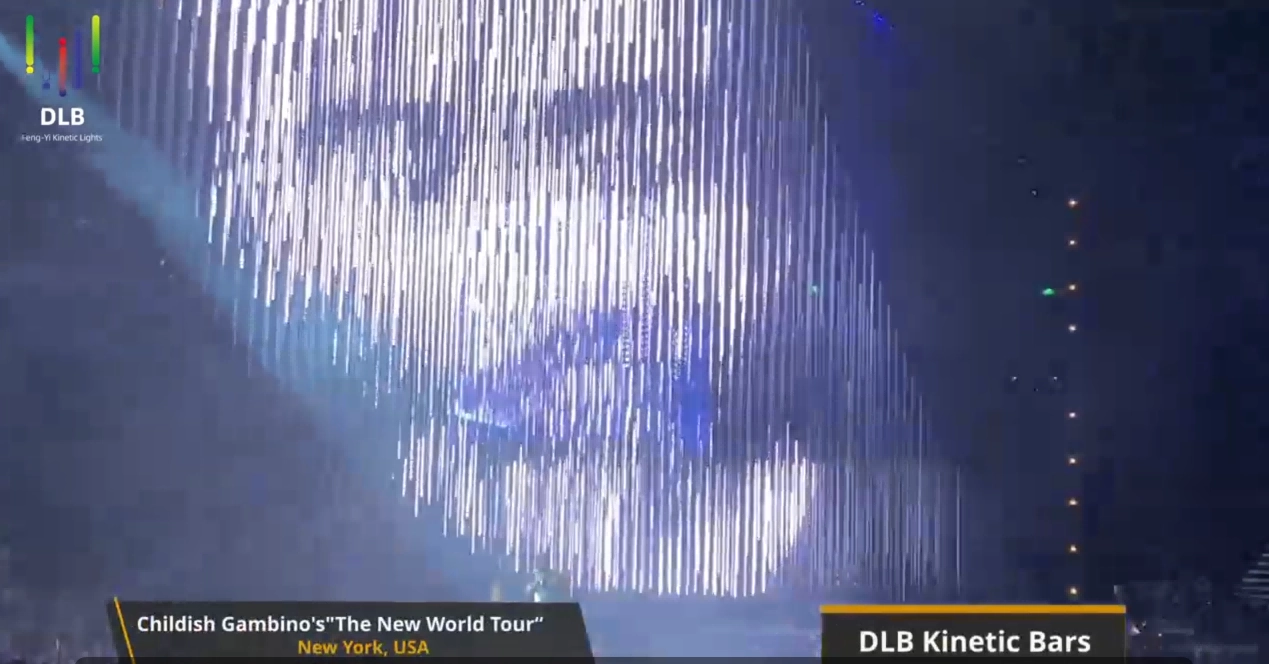
US New York -A Lighting Revolution at the Childish Gambino’s The New Would Tour-Dynamic Bar
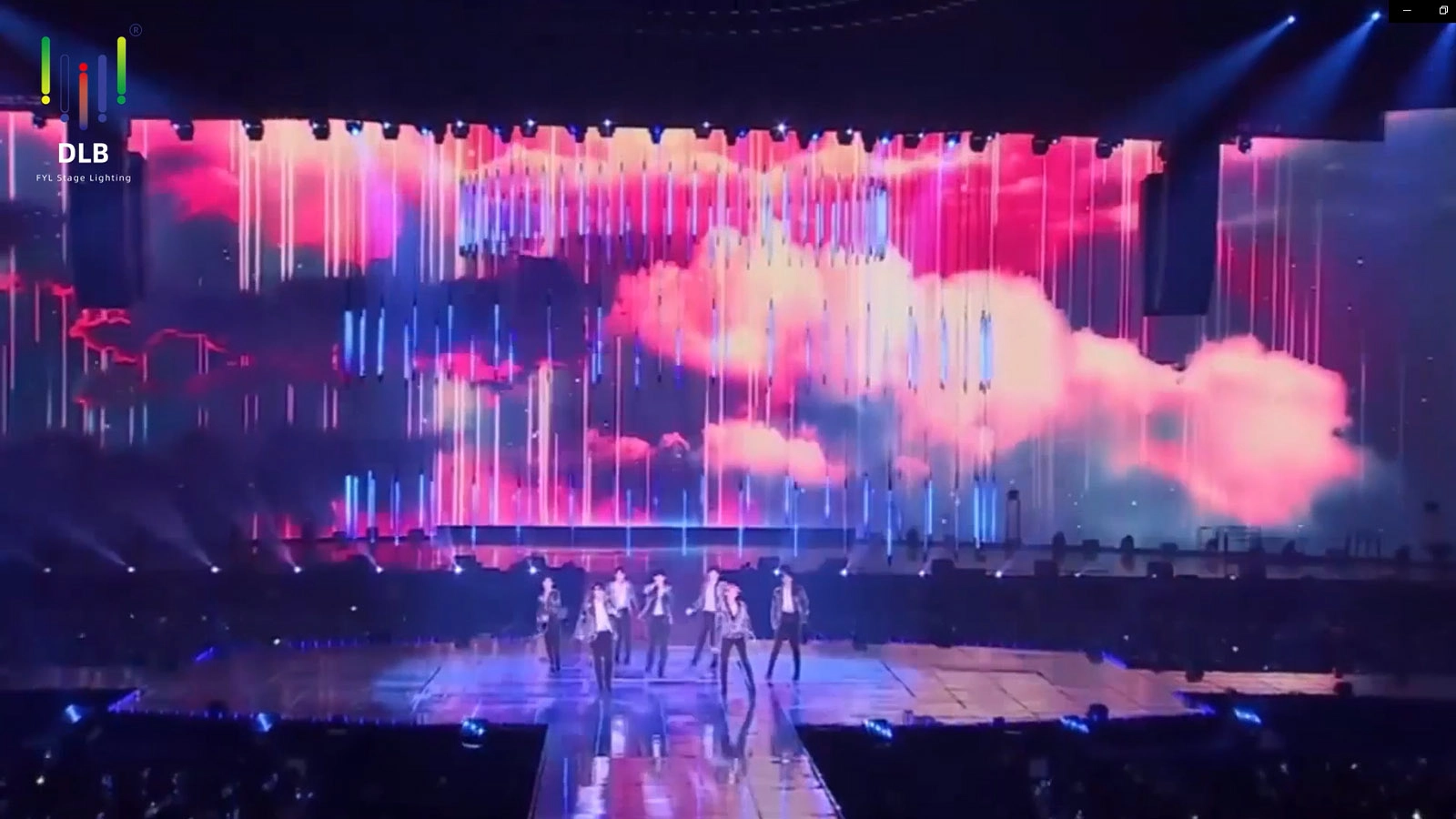
South Korea Seoul -Got7 concert-Dynamic Bar
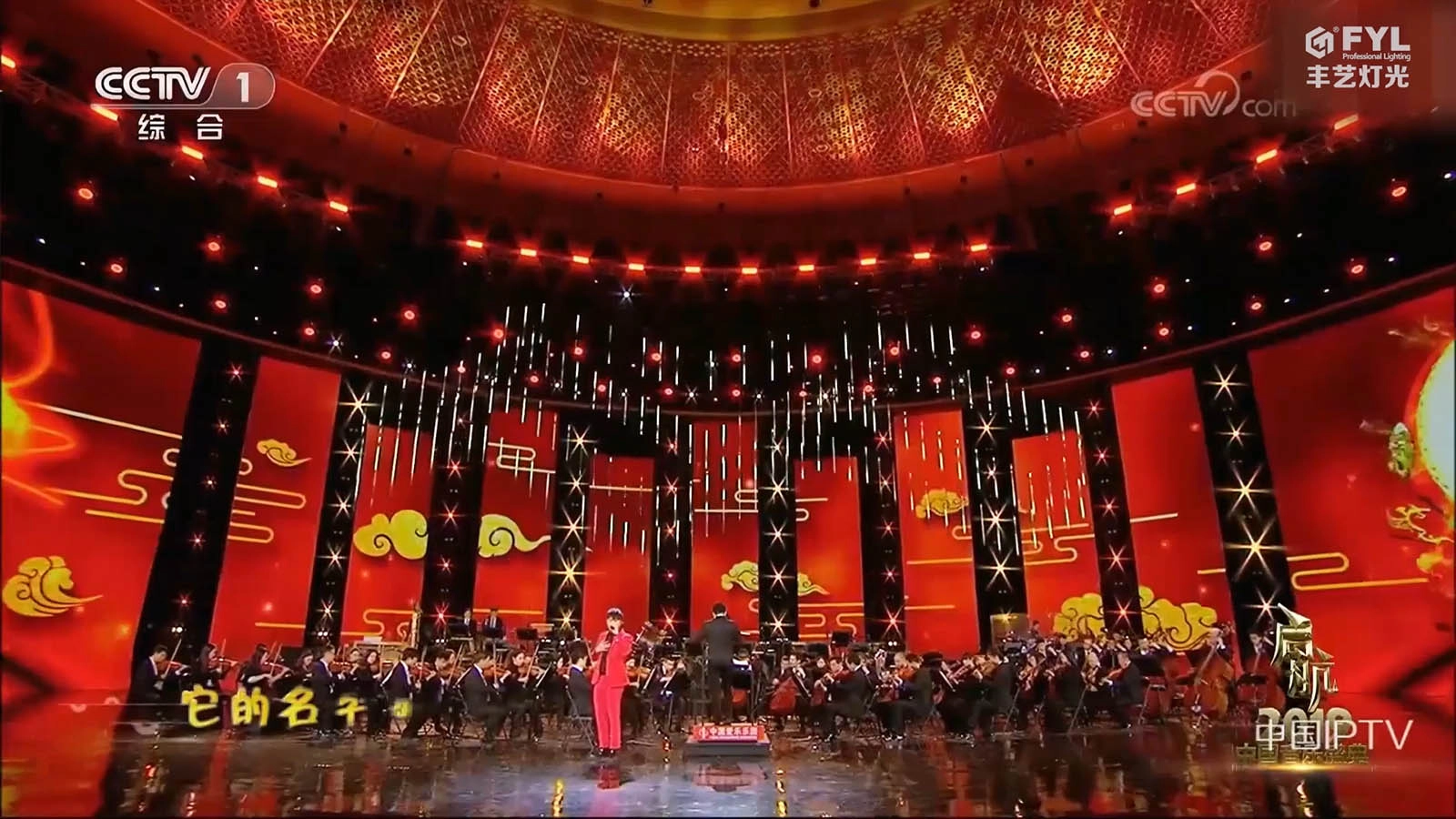
Beijing China-CCTV 2019 China Music Awards-Dynamic Bar
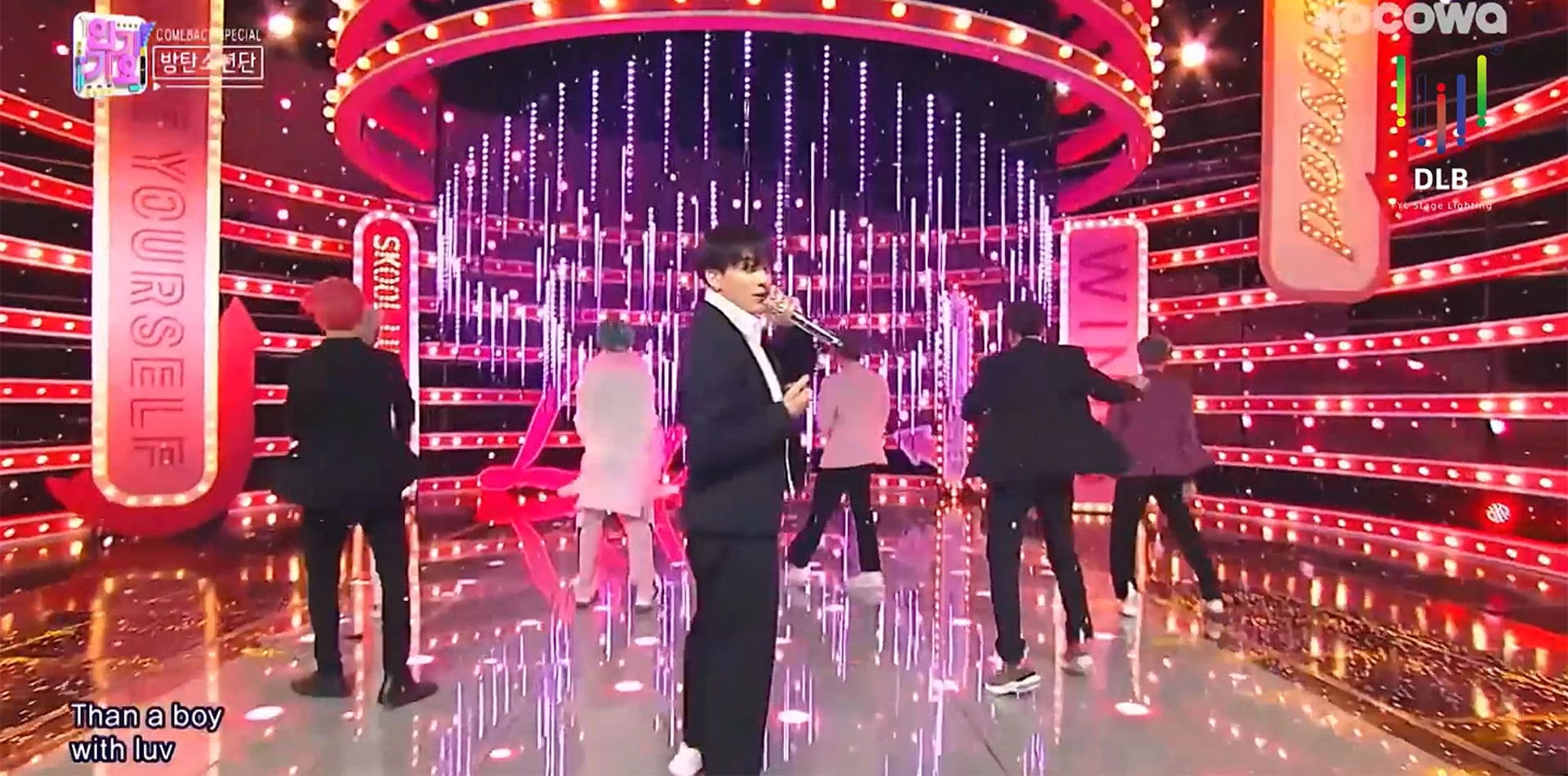
South Korea-BTS's "Boy with Luv" performance-Dynamic Bars
Prdoucts Categories
FAQ
Products
The cutting blades do not move linearly. How to troubleshoot?
Fix with these steps:
1. Channel Check: Ensure the correct cutting channel (e.g., Cut 1: CH24) is selected on the controller; set the channel value to 100-255 (0=no movement).
2. Motor Calibration: Enter "Factory Settings → Motor Calibration → Cut 1" and adjust the offset (-128~+127) to compensate for mechanical errors.
3. Mechanical Blockage: Power off the fixture and check if debris (dust, wire) is blocking the blade’s travel path; clean the path with a soft brush and re-test.
What is the XY-axis rotation angle of moving head lights? Are there any load-bearing requirements for installation?
For conventional moving head lights, the X-axis rotation ranges from 0° to 540°, and the Y-axis rotation ranges from 0° to 205° (some models support 16-bit fine adjustment). Installation requirements: For hoisting, the load-bearing capacity of the support frame must be ≥ 1.5 times the weight of the light (e.g., a 10kg moving head light requires a support frame with ≥ 15kg load-bearing capacity). Additionally, a safety rope must be used to pass through the light's handle. When installing at an angle or upside down, pedestrians are prohibited from passing below, and the hook screws and rope wear must be checked regularly.
The fixture does not respond to the DMX controller. How to fix it?
Resolve with these checks:
1. DMX Address & Channels: Ensure the fixture’s starting address is correct (e.g., 34CH fixture 1: A001, fixture 2: A035) and the controller’s channel count ≥ total fixture channels.
2. Signal Wiring: Use shielded twisted-pair DMX cables (≤150m); install a 120Ω terminal resistor between pins 2-3 of the last fixture’s XLR connector.
3. Signal Amplification: For cable lengths >150m, add a DMX signal amplifier to avoid signal loss; separate DMX cables from high-voltage power cables (≥1m apart) to prevent interference.
Customization/OEM Services
Do customized products enjoy the same warranty service as standard products?
Yes, customized products have the same warranty policy as standard products (under non-human damage, the whole machine is warranted for 1 year, and LED lamp beads are warranted for 2 years). For faults caused by customized functions (e.g., adaptation issues of the special light control protocol specified by the customer), the after-sales team will give priority to targeted troubleshooting to ensure no impact on use.
Want to learn more about the latest updates?
Have questions or ready to illuminate your project? Reach out to our expert team today.
Rest assured that your privacy is important to us, and all information provided will be handled with the utmost confidentiality.
By clicking "Send your message," I agree to your processing my personal data.
To see how to withdraw your consent, how to control your personal data, and how we process it, please see our Privacy Policy and Terms of Use.

FENG-YI has been continuously innovating and has grown into a Kinetic Lights Manufacturer and solution provider with unique advantages.
Contact
+86 181 2785 5301
Address
Building 5, No. 34, Fuyuan Road, Jinghu IndustrialZone, Xinhua Town, Huadu District, Guangzhou, China.
© 2025 FENG-YI. All Rights Reserved.
Facebook
Instagram
YouTube
TikTok