










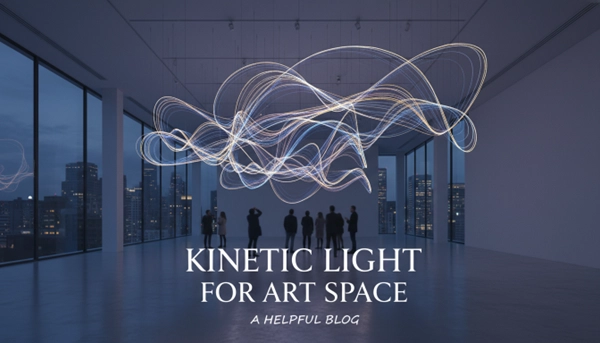
Unleashing Dynamic Art: The Definitive Guide to Kinetic Light for Art Spaces in 2026
Discover how FENG-YI transforms art spaces with innovative Kinetic Light for Art Space in 2026. This definitive guide explores dynamic light art, enhancing creativity and engagement through motion. Elevate your art installations with cutting-edge kinetic lighting solutions.
- Introduction: The Resurgence of Dynamic Illumination in Art
- Understanding Kinetic Light for Art Space: Core Concepts and Components
- The Transformative Impact of Kinetic Light on Viewer Engagement
- Essential Design Principles for Kinetic Light Art Installations
- Cutting-Edge Technologies Powering Kinetic Light Art
- Applications of Kinetic Light in Diverse Art Spaces
- Planning and Implementing a Kinetic Light Project with FENG-YI
- Challenges and Future Trends in Kinetic Light for Art
- Conclusion: Illuminating the Future of Art
- FAQ
Introduction: The Resurgence of Dynamic Illumination in Art
The intersection of technology and creativity has birthed a new era in visual expression: the kinetic light art installation. No longer confined to static displays, contemporary art spaces are transforming into living, breathing environments where movement is a fundamental element. According to Vertex AI Search (Google Cloud), kinetic light art is a unique form where light sources dynamically change positions, angles, colors, and intensities to create fascinating visual impacts. This shift from static to dynamic represents a profound evolution in how we experience art.
While the concept of kinetic art originated in the early 20th century, driven by a desire to incorporate motion into visual forms, it experienced a significant international resurgence in the mid-1950s and 1960s, as noted by dion art studio. Today, in 2026, we are witnessing a renaissance of this movement, fueled by dynamic lighting art that blends sophisticated engineering with aesthetic beauty. For curators and architects, the goal is to bridge technology and artistic expression to meet the modern viewer's desire for compelling, immersive art experiences.
This guide explores the scope of this revolution, detailing how FENG-YI kinetic lighting systems are empowering artists to push boundaries. By integrating advanced mechanics with illumination, FENG-YI contributes significantly to the field, offering the tools necessary to turn abstract visions into moving realities.
Understanding Kinetic Light for Art Space: Core Concepts and Components
To effectively implement a kinetic light art installation, one must understand its anatomy. Unlike traditional gallery lighting, which illuminates a subject, kinetic lighting is the subject—or an active participant in the narrative. The efficacy of these installations relies on several key components, including motorized modules, sensors, and trackers that ensure precision and synchronization, a fact highlighted by Meet Future.
Key components include:
- Moving Fixtures & Motorized Modules: Devices that physically alter the position of the light source.
- Programmable LED Art Solutions: High-fidelity LEDs capable of infinite color mixing and intensity modulation.
- DMX Control Systems: The digital brain that choreographs the movement and lighting cues.
- Interactive Sensors: Hardware that detects audience presence or environmental changes.
The spectrum of kinetic expression is vast. It ranges from subtle, meditative shifts in shadow and light to grand, synchronized spectacles where hundreds of orbs dance in unison. As described by Fiveable, these kinetic elements encompass motorized light sources, kinetic screens, and LED arrays with programmed sequences that produce dynamic displays. These elements work together to create an immersive visual narrative, transforming the empty air of a gallery into a canvas of light.
The Transformative Impact of Kinetic Light on Viewer Engagement
In an age of digital distraction, capturing attention is an art form in itself. Kinetic light art installations are exceptionally effective in this regard. Research indicates that kinetic installations draw attention potentially five times more effectively than static objects, according to Vertex AI Search (Google Cloud). The shifting forms and changing patterns evoke strong emotional responses, stimulating the imagination in ways that static paintings or sculptures often cannot.
By utilizing interactive light sculpture, artists can create environments that respond to viewer movements. This interactivity encourages the audience to immerse themselves in the evolving artwork, transforming them from passive observers into active participants. This seamless fusion of motion and illumination enhances emotional engagement, creating memorable experiences that resonate long after the visitor leaves the exhibition.
Whether it is through museum lighting technology that guides a visitor's journey or a standalone art piece, the versatility of kinetic light allows it to adapt to diverse artistic themes. It facilitates innovative design possibilities, allowing spaces to evolve over time—a morning exhibition can feel entirely different from an evening showing simply through the reprogramming of the kinetic light behaviors.
Essential Design Principles for Kinetic Light Art Installations
Designing for motion requires a distinct set of principles compared to static design. According to RMCAD, key considerations include establishing visual rhythm through repeating patterns and ensuring the durability of materials and mechanisms. The movement itself acts as a sculptural element; the flow, speed, and direction must be carefully orchestrated to avoid chaotic visuals.
Core Design Principles:
- Movement & Choreography: Adhering to principles that ensure continuous, smooth movement and predictable behavior is crucial, especially for outdoor installations subject to wind and weather (RMCAD).
- Timing & Rhythm: Synchronizing light changes with soundscapes or physical movement creates a cohesive sensory experience.
- Material Selection: As noted by PMT - Advanced Multimedia Technologies, artists commonly utilize materials such as metal, glass, recycled elements, and LEDs for their form and durability.
- Contextual Integration: The lighting must complement the art gallery lighting design, enhancing the architecture rather than clashing with it.
FENG-YI’s design philosophy aligns with these principles, emphasizing the blend of artistic vision with technical precision. Their systems are designed to allow for the manipulation of light and shadow to achieve specific optical and sensory effects, ensuring that the technology serves the art, not the other way around.
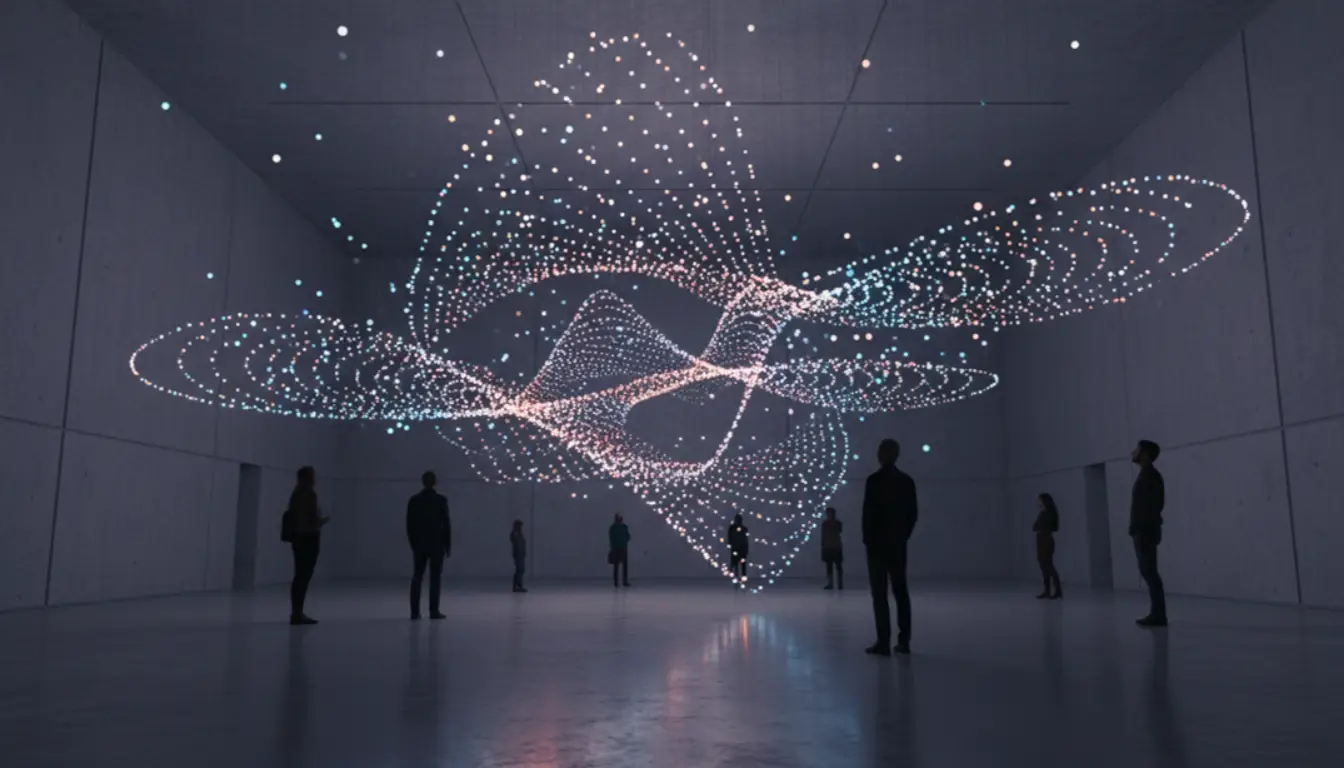
Cutting-Edge Technologies Powering Kinetic Light Art
The magic of a kinetic light art installation is driven by robust technology. Programmable LED art solutions serve as the backbone, offering dynamic color and intensity control that can change instantly. However, the physical movement is often powered by winch lifting systems and robotic elements that hoist and lower fixtures with millimeter precision.
Technological pillars include:
- Advanced Motion Sensors: These tracking systems enable responsive installations where the art "sees" the viewer.
- Sophisticated Control Systems: Using DMX, Art-Net, or custom software to manage intricate choreographies involving hundreds of axes of movement.
- Projection Mapping: Often combined with kinetic elements to add layers of texture and digital content to moving physical objects.
FENG-YI creates innovative solutions in this space, providing high-speed, silent winch systems and ultra-bright programmable LEDs. Their focus on reliable control systems ensures that complex kinetic patterns run smoothly, preventing technical glitches that could break the immersive illusion.
Applications of Kinetic Light in Diverse Art Spaces
The versatility of kinetic light art installations allows them to flourish in various environments.
- Museums and Art Galleries: Here, museum lighting technology is evolving. Kinetic lights can act as dynamic chandeliers in atriums or as interpretive tools that highlight specific artifacts based on visitor proximity.
- Public Art Installations: Large-scale works engage urban environments, turning building facades or city squares into nightly spectacles.
- Live Performances: Theatrical productions utilize kinetic lights to create shifting physical sets without heavy machinery, setting dynamic moods instantly.
- Immersive Digital Art Experiences: These multi-sensory environments rely heavily on interactive light sculpture to blur the line between the physical and digital worlds.
For example, prominent artists like Julio Le Parc have long been recognized as masters of kinetic art and optical illusions, using light to challenge visual perception (Composition Gallery).
Planning and Implementing a Kinetic Light Project with FENG-YI
Executing a project of this magnitude requires careful planning. Leveraging FENG-YI's expertise ensures a seamless transition from concept to reality.
- Initial Concept Development: The process begins by translating an artistic vision into technical requirements. What is the desired emotional impact? What are the spatial constraints?
- Design and Simulation: Using advanced 3D visualization software, designers can simulate kinetic effects before a single fixture is hung.
- Technical Specifications: This involves choosing the right hardware. FENG-YI assists in selecting the appropriate winch speeds, LED types, and control consoles.
- Installation and Calibration: Precision setup is vital. FENG-YI kinetic lighting systems are installed with rigour, followed by calibration to ensure every motor moves in perfect harmony.
- Maintenance: Ensuring longevity involves regular checks of mechanical components and software updates.
Challenges and Future Trends in Kinetic Light for Art
While the results are stunning, challenges remain. Addressing technical complexities and integration hurdles requires specialized knowledge. Balancing artistic intent with budgetary constraints is a constant negotiation in art gallery lighting design.
However, the future is bright. We are seeing the rise of AI-driven kinetic art, where installations become self-learning, evolving their patterns based on cumulative audience data. Furthermore, there is a strong push toward sustainable kinetic lighting, utilizing energy-efficient LEDs and eco-friendly materials.
FENG-YI’s vision for 2026 and beyond involves pushing the boundaries of interactive and sustainable kinetic art. They are developing systems that are not only more responsive but also easier to deploy, democratizing access to high-end programmable LED art solutions.
Conclusion: Illuminating the Future of Art
The kinetic light art installation has undeniably profound impacts on modern art spaces. By seamlessly fusing motion and illumination, these installations enhance emotional engagement and create memorable, interactive experiences (Vertex AI Search). The synergy between technology, design, and artistic expression allows for the creation of spaces that are not just viewed, but felt.
As a leader in the field, FENG-YI continues to innovate, providing the comprehensive kinetic lighting systems that make these wonders possible. Artists, curators, and architects are encouraged to explore the limitless possibilities of dynamic light, transforming static voids into canvases of infinite potential.
FAQ
What is kinetic lighting in an art context?
Kinetic lighting refers to light installations that incorporate movement, change, or interaction, transforming a static art piece or space into a dynamic, evolving experience.
How does kinetic light enhance the viewer's experience in an art space?
It creates immersive environments, fosters deeper emotional engagement, adds a sense of surprise and wonder, and allows for interactive participation, making the art more memorable.
What technologies are essential for kinetic light installations?
Key technologies include programmable LED fixtures, DMX or custom control systems, motion sensors, robotic elements (like winches), and often specialized software for choreography.
Can kinetic lighting be customized for specific art exhibitions?
Absolutely. Kinetic lighting systems are highly customizable, allowing artists and curators to design specific light patterns, movements, colors, and timings to perfectly complement any artwork or theme. FENG-YI specializes in tailored solutions.
Is kinetic light only for large-scale art installations?
While often seen in large-scale projects, kinetic lighting can be adapted for various sizes, from intimate gallery displays and small sculptures to monumental public art and architectural interventions.
What are the maintenance considerations for kinetic light systems?
Maintenance involves checking mechanical components, ensuring LED longevity, software updates, and recalibration of movement. Reputable providers like FENG-YI offer comprehensive support and maintenance services.
How does FENG-YI contribute to the field of kinetic light for art?
FENG-YI provides comprehensive solutions from advanced programmable LED lighting and motion sensors to robust control systems and design expertise, helping artists and institutions create groundbreaking kinetic art installations.
What are the future trends for kinetic lighting in art spaces?
Future trends include increased integration with AI for responsive and learning installations, greater emphasis on sustainable materials and energy efficiency, and more accessible interactive elements for broader audience engagement.
Recommended for you
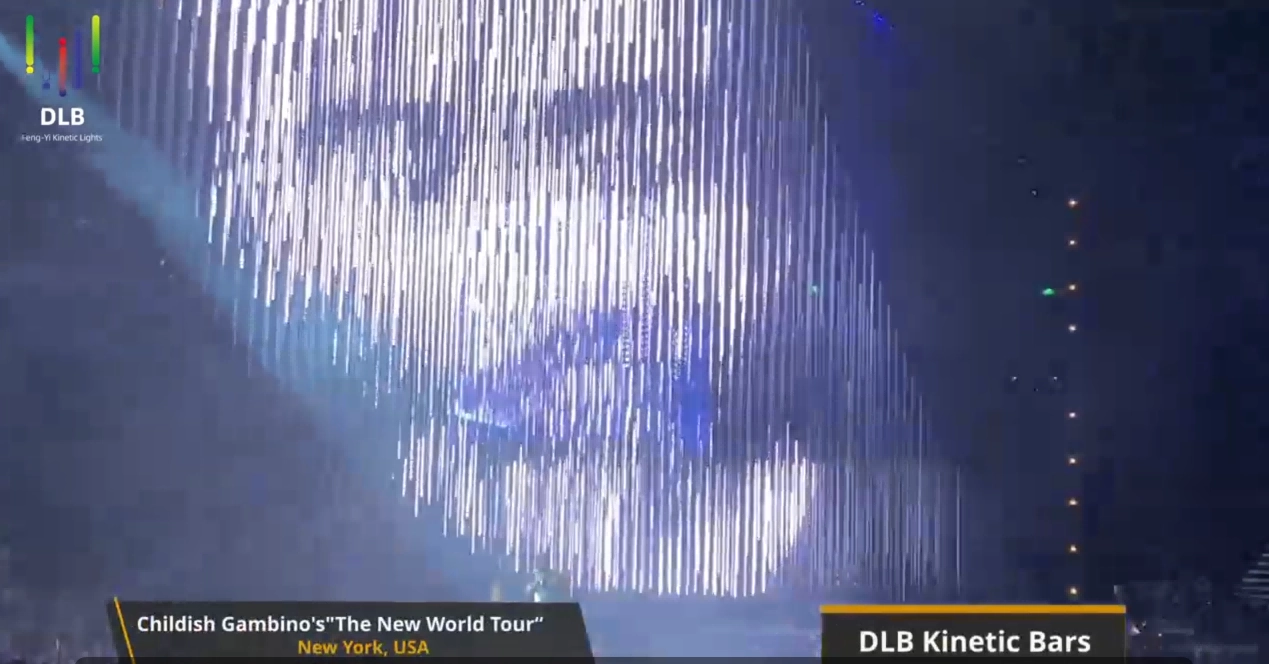
US New York -A Lighting Revolution at the Childish Gambino’s The New Would Tour-Kinetic Bar
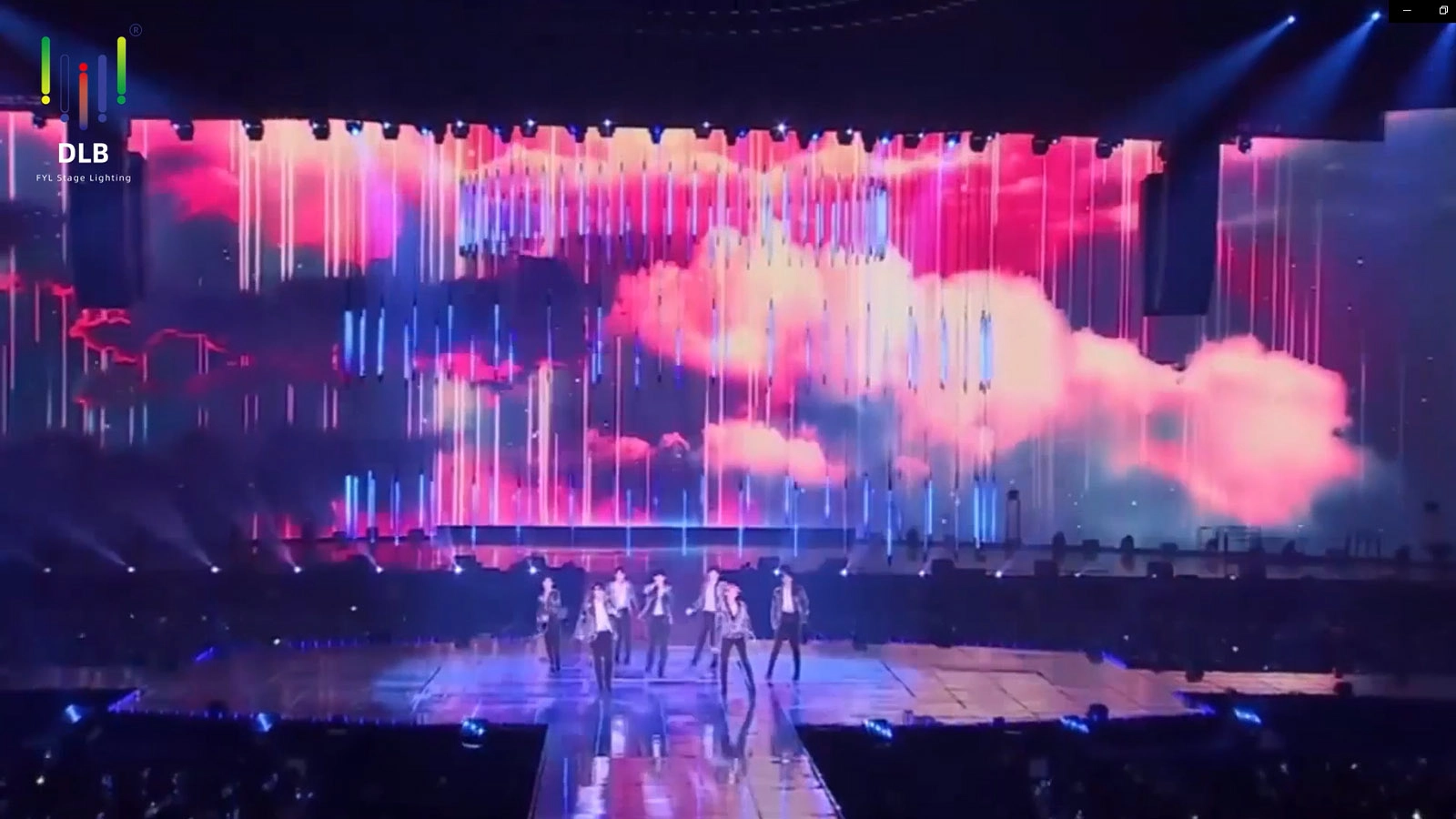
South Korea Seoul -Got7 concert-Kinetic Bar
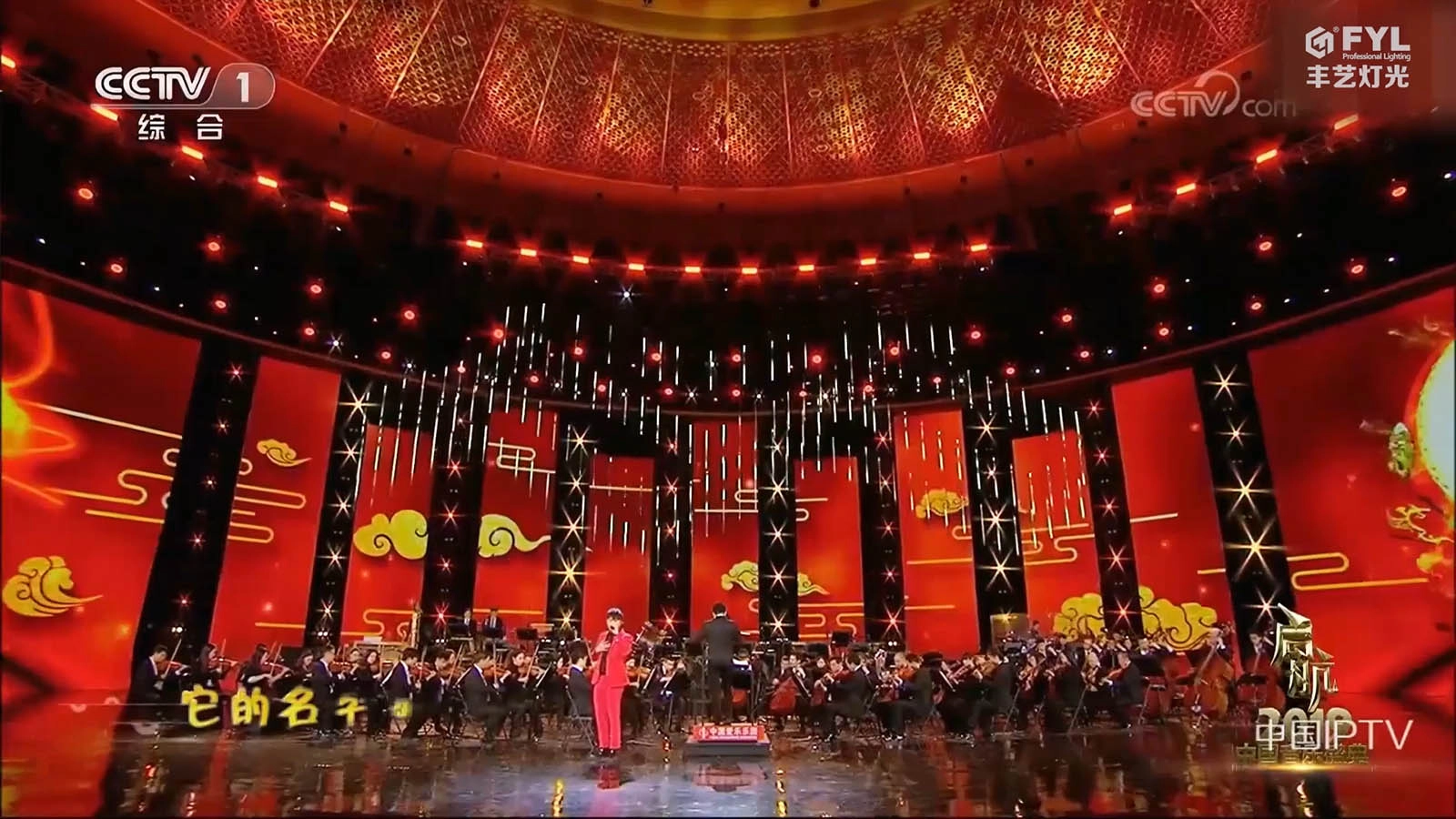
Beijing China-CCTV 2019 China Music Awards-Kinetic Bar
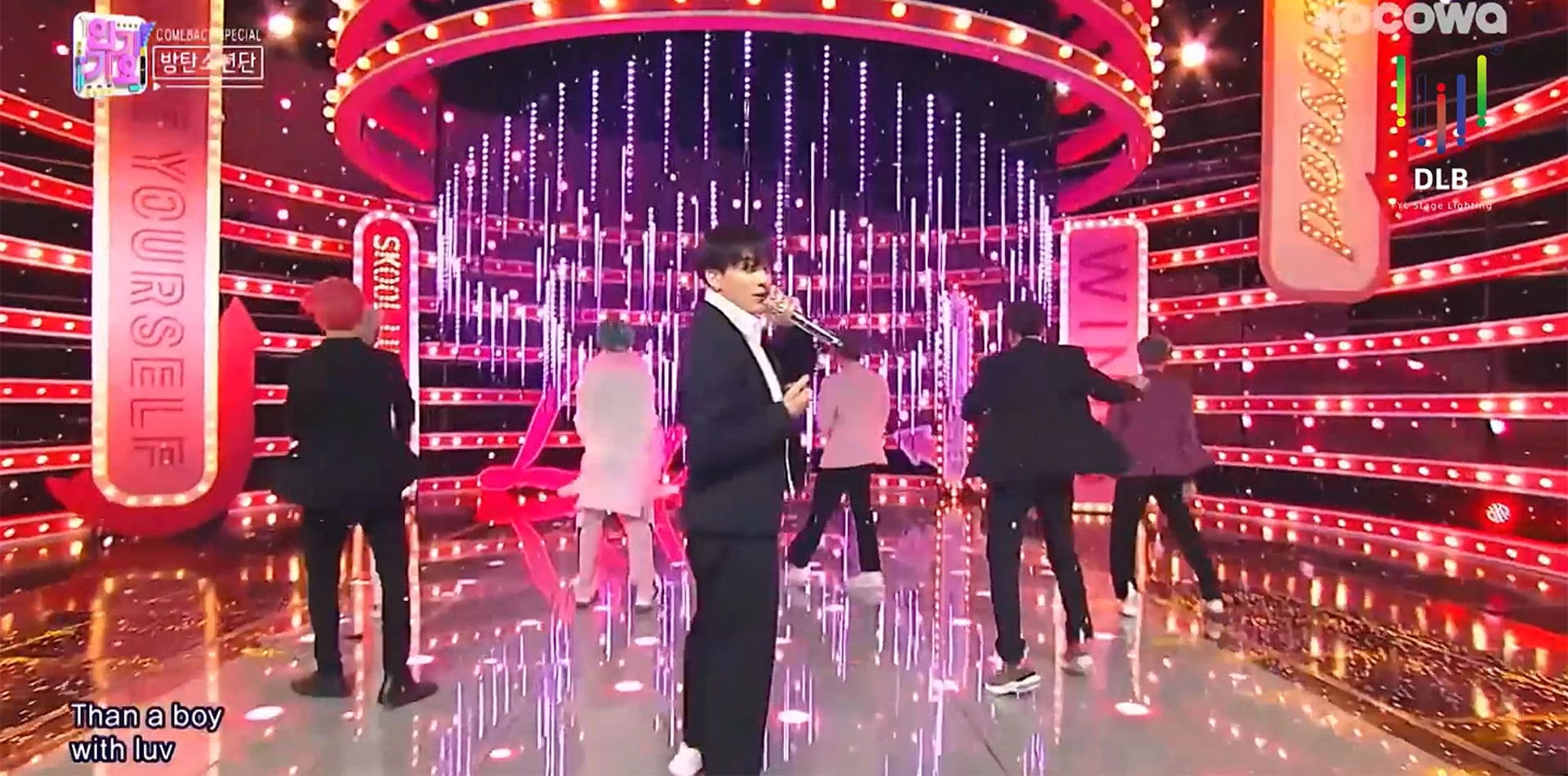
South Korea-BTS's "Boy with Luv" performance-Kinetic Bar
Prdoucts Categories
FAQ
Products
What is the service life of LED lamp beads? Is professional personnel required for later replacement?
All our lights adopt imported LED chips, with a service life of ≥ 50,000 hours under normal use (8 hours of daily use can last for 17 years). The replacement of lamp beads requires professional operation—due to the involvement of wire soldering and heat dissipation adaptation, unprofessional operation may cause short circuits or uneven light effects. You can contact the after-sales team for on-site replacement or repair-by-mail services.
The fixture overheats and shuts down. What should I do?
Resolve overheating issues:
1. Environment Check: Ensure the operating temperature ≤60℃; move the fixture away from heat sources (e.g., stage heaters) and ensure 50cm clearance around the fan grille.
2. Fan Maintenance: Clean the fan and fan grille with compressed air (remove dust buildup); check if the fan runs when the fixture is powered on (replace fan if silent).
3. Protection Threshold: Enter "Settings → Temperature Protection" to adjust the threshold (default 60℃, max 80℃) if the environment requires higher operating temperatures.
Customization/OEM Services
What is the production cycle for customized products? Is sample trial production supported?
The production cycle for regular customization (e.g., appearance logo, parameter fine-tuning) is 15-20 days, and the cycle for complex function customization (e.g., development of a new elevating structure) is 30-45 days. Sample trial production is supported. The sample fee is charged based on the customization cost (the fee can be deducted from the payment after bulk ordering). The trial production cycle is 7-10 days, and bulk production will start only after the customer confirms the sample is qualified.
Nightclub Lighting
Can the lighting, screens, and other equipment be combined to achieve integrated sound, lighting, and visuals?
Programming is possible through Madrix and MA consoles, using timecode synchronization to achieve a precise "programmed show" effect.
Want to learn more about the latest updates?
Have questions or ready to illuminate your project? Reach out to our expert team today.
Rest assured that your privacy is important to us, and all information provided will be handled with the utmost confidentiality.
By clicking "Send your message," I agree to your processing my personal data.
To see how to withdraw your consent, how to control your personal data, and how we process it, please see our Privacy Policy and Terms of Use.

FENG-YI has been continuously innovating and has grown into a Kinetic Lights Manufacturer and solution provider with unique advantages.
Contact
+86 181 2785 5301
Address
Building 5, No. 34, Fuyuan Road, Jinghu IndustrialZone, Xinhua Town, Huadu District, Guangzhou, China.
© 2025 FENG-YI. All Rights Reserved.
Facebook
Instagram
YouTube
TikTok