











Guide to Large-Scale Stage Lighting Design: From Style Positioning to Effect Presentation
Explore the core logic and implementation key points of large-scale stage lighting design, helping designers accurately grasp lighting selection, layout, and adjustment to match performance needs and create an immersive viewing experience.
- 1. Define the Overall Direction of Lighting Based on Performance Theme and Style
- 1.1 Theme Adaptation Principle
- 2. Plan Lighting Layout Based on Stage Size and Shape
- 2.1 Layout Strategies Based on Stage Size
- 2.2 Flexible Adjustments for Stage Shape
- 3. Precisely Regulate Lighting Parameters and Effect Presentation
- 3.1 Dynamic Adjustment of Core Parameters
- 3.2 Diversified Presentation of Creative Effects
- Conclusion
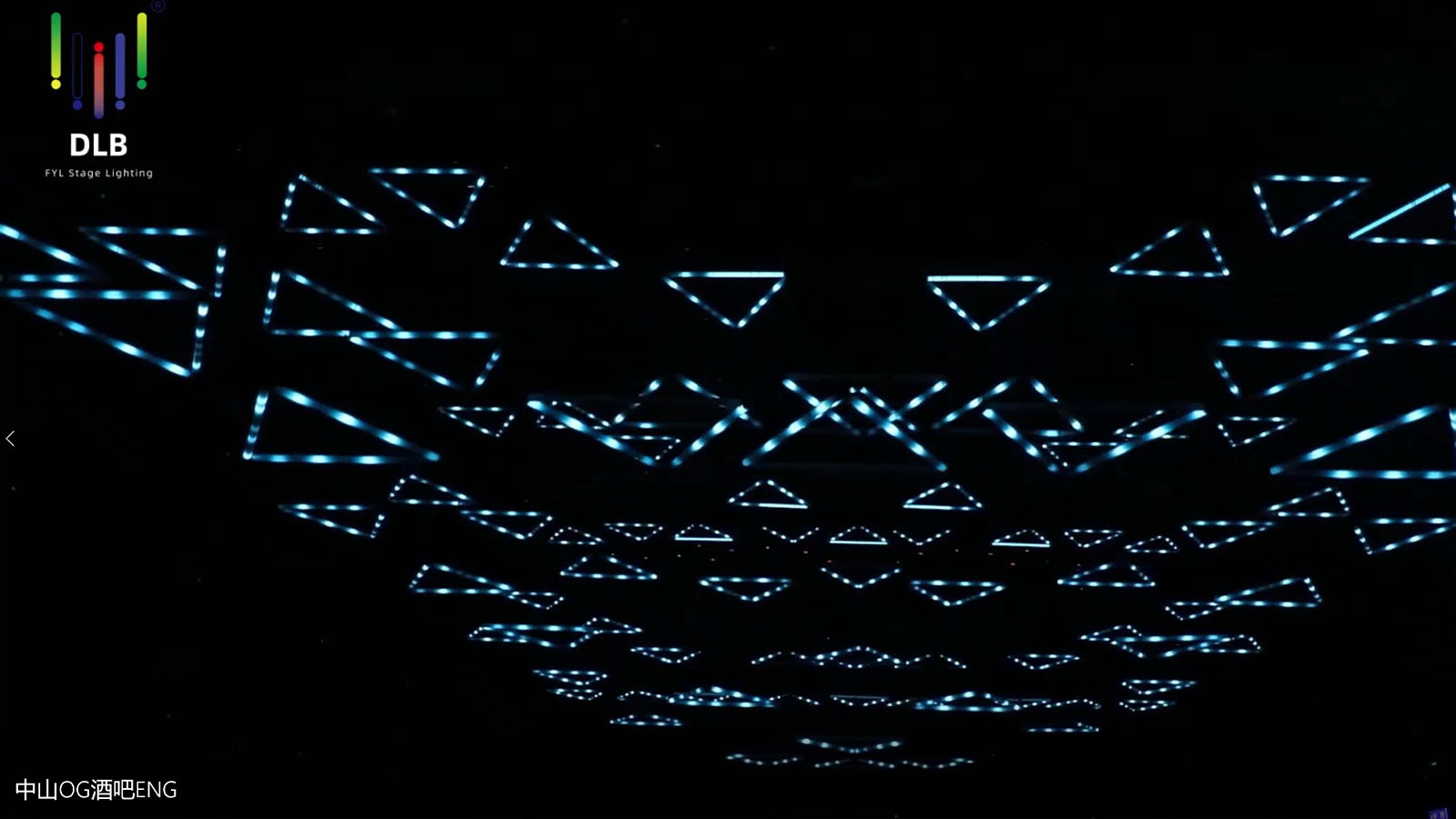
Explore the core logic and implementation key points of large-scale stage lighting design, helping designers accurately grasp lighting selection, layout, and adjustment to match performance needs and create an immersive viewing experience.
In large-scale performances, theatrical plays, concerts, and other cultural activities, stage lighting is by no means a simple lighting tool but a core artistic element that shapes atmosphere, drives the plot, and enhances emotional expression. Excellent lighting design can multiply the appeal of a performance and deeply arouse the emotional resonance of the audience. Therefore, lighting designers need to conduct systematic planning around multiple key dimensions, forming a complete design closed loop from the early style positioning to the later effect implementation. This article will break down the core decision-making dimensions of lighting design and analyze the practical path to achieve the best results.
1. Define the Overall Direction of Lighting Based on Performance Theme and Style
The overall style of lighting directly serves the core expression of the performance and needs to be highly consistent with the theme, subject matter, and artistic style, conveying internal emotions through color tone and light and shadow texture.
1.1 Theme Adaptation Principle
The primary step of lighting design is to accurately interpret the performance theme and transform abstract thematic concepts into concrete light and shadow language. Different themes correspond to distinctly different lighting tones:
Romantic and lyrical categories (e.g., love-themed musicals, classical ballets): Focus on soft and transparent light and shadow, with core color tones centered on low-saturation colors such as pink, purple, and light blue. Uniform diffused light is used to reduce strong light-dark contrast, creating a gentle and dreamy atmosphere.
Passionate and dynamic categories (e.g., rock concerts, modern dance dramas): Emphasize visual impact, adopt high-saturation colors like red, bright yellow, and sapphire blue, paired with sharp light beams and rapidly changing light and shadow transitions. Strong light-dark contrast and color collisions are used to convey enthusiastic and unrestrained emotions.
Serious narrative categories (e.g., stage plays, historical dramas): Use neutral color tones (white, warm yellow) as the foundation, highlight the focus of characters and scenes through the hierarchical changes of light and shadow, avoid overly fancy colors interfering with the audience's attention to the plot, and focus on guiding the narrative rhythm through lighting.
2. Plan Lighting Layout Based on Stage Size and Shape
The physical properties of the stage directly determine the coverage range, projection angle, and equipment combination mode of lighting. A scientific layout is the basis for ensuring the uniform presentation of lighting effects.
2.1 Layout Strategies Based on Stage Size
Differences in stage area require different lighting levels and equipment densities:
Large-scale stages (e.g., stadiums, main stages of grand theaters): A "multi-level three-dimensional lighting system" needs to be constructed, combining multi-directional light sources such as front light, top light, side light, and back light. Front light illuminates the front performance area of the stage, top light covers the main stage in sections, side light enhances the three-dimensional sense of characters, and back light outlines contours; meanwhile, mobile equipment such as moving head lights and color washing lights are used to fill the local lighting gaps, ensuring no light dead angles.
Medium and small-scale stages (e.g., small theater halls, indoor music festival stages): Adhere to the principle of "streamlined and efficient," reduce lighting levels but ensure coverage of core areas. A combination of centralized top light and double side light meets basic lighting needs, and a small number of special effect lights (e.g., follow spots) are used to highlight key performance positions.
2.2 Flexible Adjustments for Stage Shape
Irregular or complex-shaped stages (e.g., circular stages, multi-region divided stages) need to break the single lighting logic and adopt a "zone adaptation + overall coordination" layout method:
Special-shaped stages (e.g., T-stages, catwalks): Prioritize the "core movement line," and set linear light sources or point projection lights along the performance movement line to ensure that actors are always within the effective lighting range during movement; at the same time, use contour lights at the stage edge to define the shape and avoid visual confusion for the audience.
Multi-region stages (e.g., composite stages with main performance areas, side stages, and background projection areas): Set up independent lighting groups for different regions. The main performance area uses high-brightness, high-color-rendering lights; the side stages use slightly dim auxiliary lights; and the background area is matched with color washing lights according to the projection content. This not only distinguishes functional zones but also maintains overall coordination through a unified basic color tone.
3. Precisely Regulate Lighting Parameters and Effect Presentation
The final implementation of lighting design relies on dynamic regulation and effective creativity. Parameters need to be adjusted in real time according to the performance rhythm, and artistic expression is enhanced through diverse effects.
3.1 Dynamic Adjustment of Core Parameters
The core parameters of lighting (brightness, color, and angle) need to be accurately synchronized with the plot ups and downs and emotional changes of the performance:
Brightness adjustment: Achieve linear transitions according to scene needs. For example, in a drama, brighten the front light to focus attention when the protagonist is monologuing, and dim the brightness gradually to achieve a "visual transition" when switching scenes; in the climax of a concert, suddenly increase the brightness to enhance the atmosphere, and reduce the brightness in lyrical sections to create an immersive feeling.
Color adjustment: Avoid fixed color tones, and promote emotional development through color gradients. For example, gradually transition from cool tones to warm tones to show the change of the character's mood, or use specific colors (e.g., red symbolizing crisis) at key plot points to trigger the audience's emotional warning.
Angle adjustment: Shape spatial hierarchy by adjusting the projection angle. For example, front projection highlights the character's expressions, oblique side projection enhances the character's three-dimensional sense, and low-position projection creates a mysterious or thrilling atmosphere, which can be flexibly switched according to performance needs.
3.2 Diversified Presentation of Creative Effects
Combine equipment performance to achieve rich effect changes and inject unique visual memory points into the performance:
Basic dynamic effects: Include flickering (adapting to fast-paced music sections), fading (used for scene transitions or emotional foreshadowing), jumping (matching the rhythm changes of dance movements), etc. The speed and amplitude of the effects are precisely controlled through a DMX console.
Advanced special effect presentation: Use the beam scanning of moving head lights to form a "light and shadow matrix," use the large-area color washing of color changers to create an "immersive color space," or combine equipment such as strobe lights and laser lights to create special visual impacts (e.g., the climax of rock music performances); at the same time, smoke machines can be used with beam lights to form visible light paths, enhancing the sense of spatial depth.
Conclusion
Large-scale stage lighting design is the perfect integration of "artistic creativity" and "technical implementation", whose core lies in taking performance needs as the anchor to achieve the three-dimensional coordination of "thematic style - physical layout—dynamic effects." Designers need to have both artistic sensitivity to accurately capture the emotional core of the performance and technical practical ability to optimize solutions according to stage conditions and equipment characteristics. Guangzhou FengYi Stage Lighting has always taken "atmosphere shaping and experience upgrading" as its core goal. Through professional design concepts and equipment support, it maximizes the artistic charm of each performance through light and shadow, bringing the audience a viewing experience that combines visual shock and emotional resonance.
Recommended for you
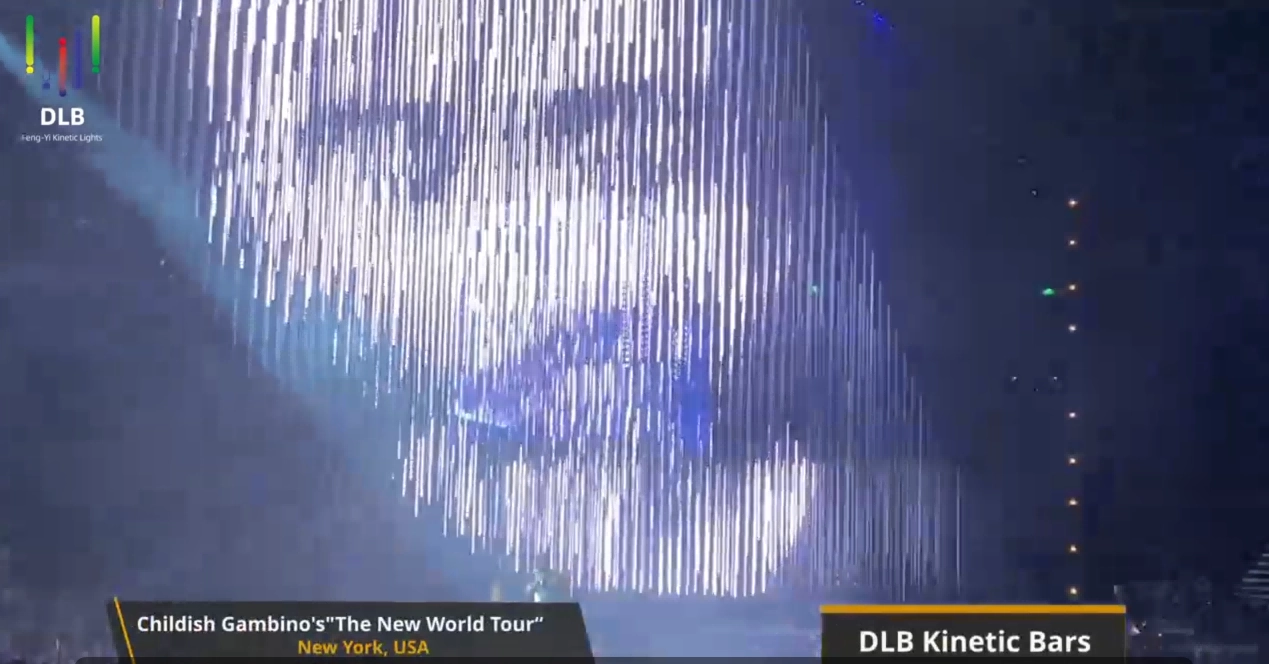
US New York -A Lighting Revolution at the Childish Gambino’s The New Would Tour-Dynamic Bar
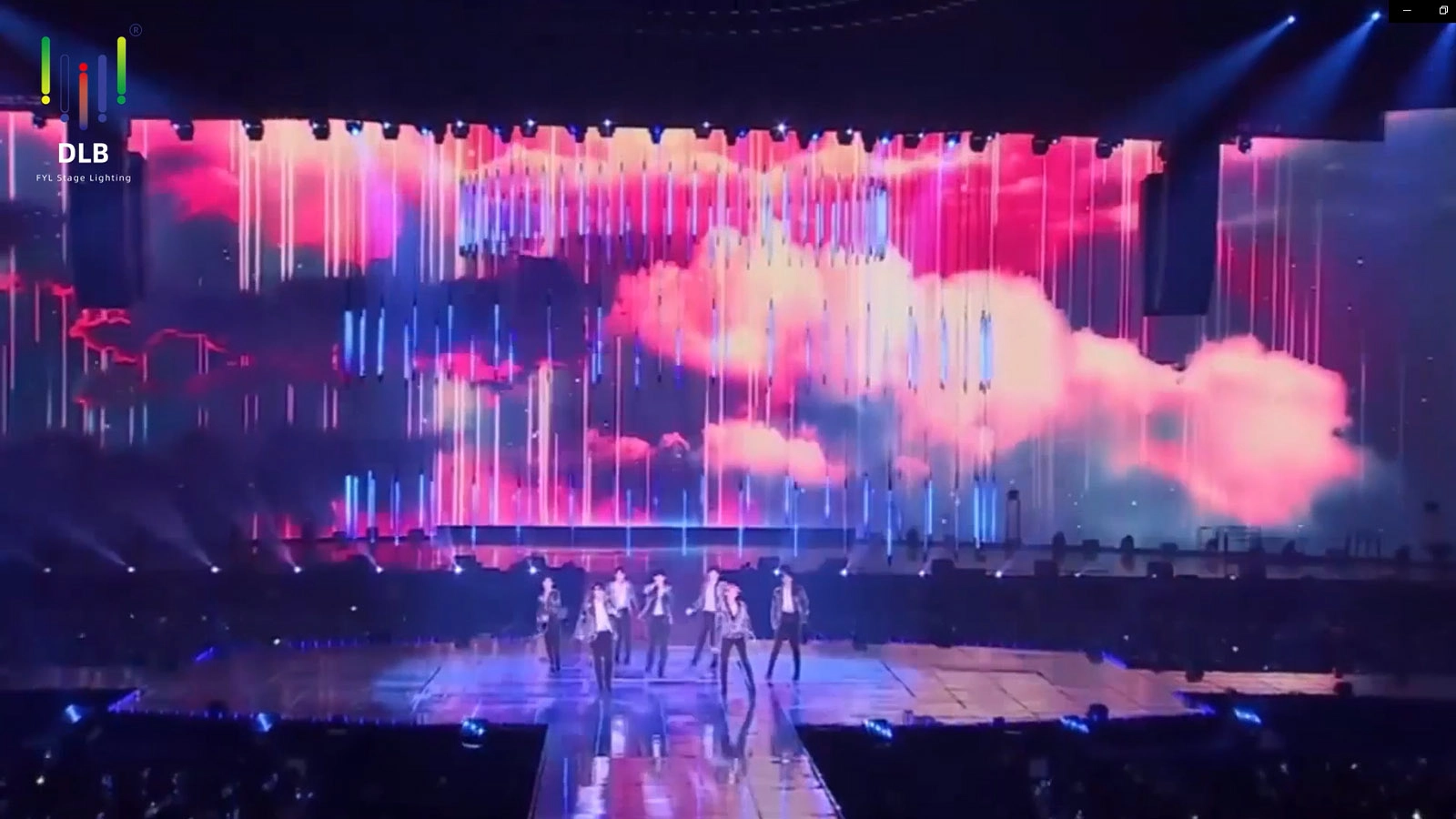
South Korea Seoul -Got7 concert-Dynamic Bar
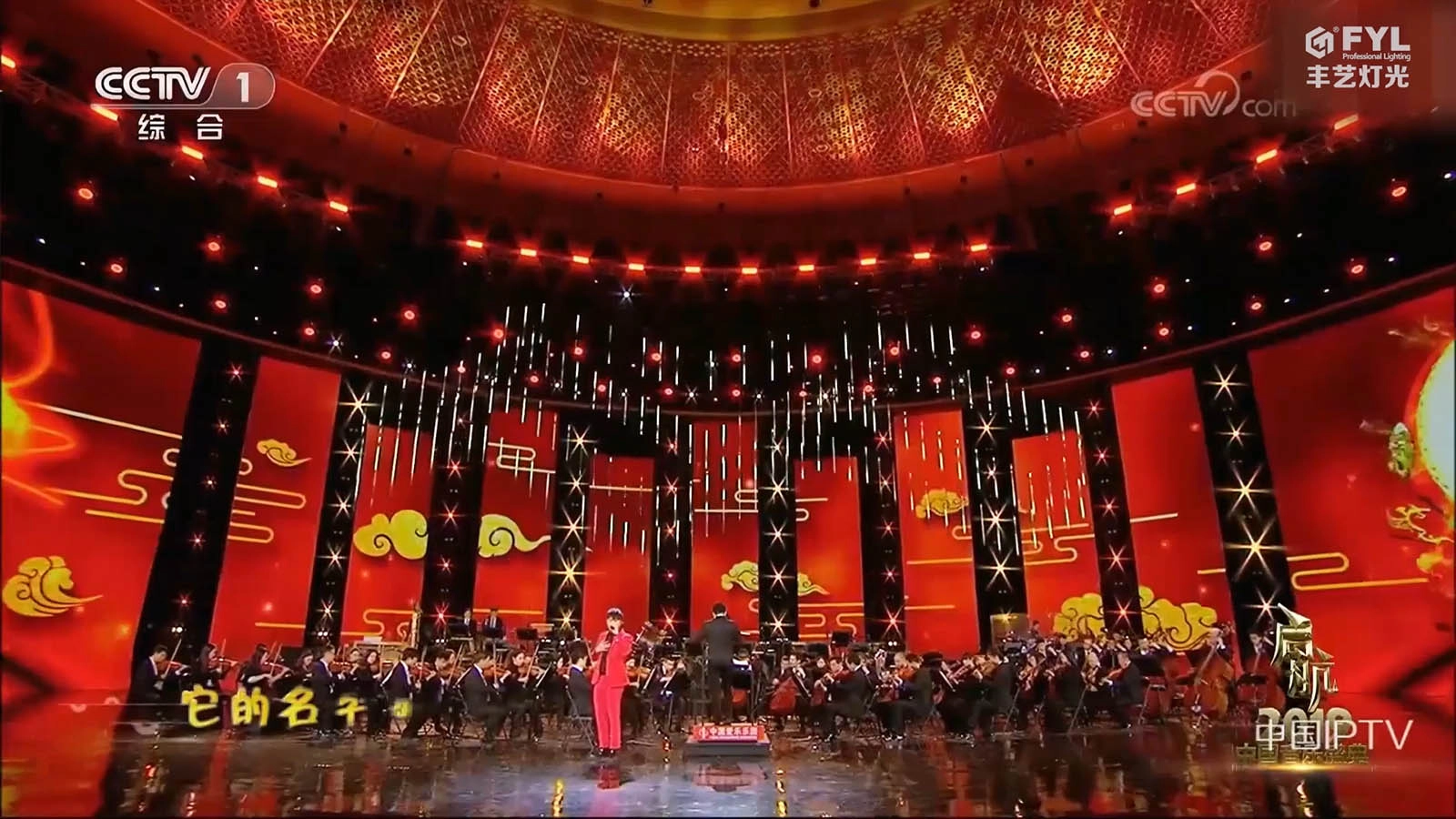
Beijing China-CCTV 2019 China Music Awards-Dynamic Bar
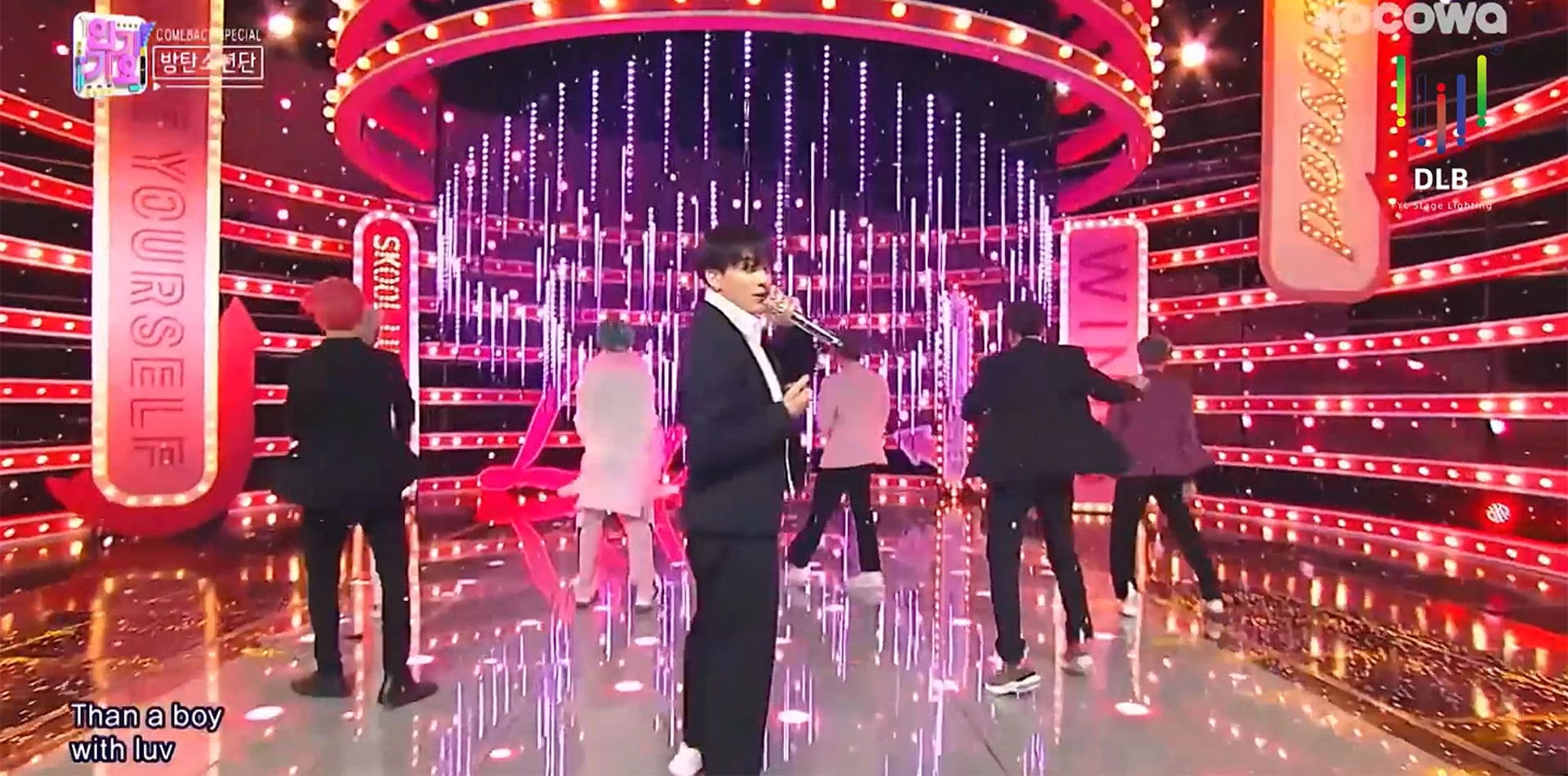
South Korea-BTS's "Boy with Luv" performance-Dynamic Bars
Prdoucts Categories
FAQ
After-Sales Support
What is the after-sales process when a product malfunctions? How long is the repair cycle?
After-sales process:
01. The customer contacts the after-sales team (by phone/WeChat) and provides the product model, fault description, and purchase certificate.
02. Technicians conduct remote troubleshooting (e.g., guiding parameter debugging, checking circuits). If the problem cannot be solved, repair by mail or on-site repair will be arranged.
03. Repairs for products sent by mail will be completed and returned within 3-5 days after receipt (freight is borne by us). On-site repair (limited to prefecture-level cities and above) will respond within 48 hours, with a repair cycle of 1-3 days.
Can accessories (e.g., power cords, DMX signal cables, lamp beads) be purchased separately after the lights have been used for many years?
Separate purchase of accessories is supported. Common accessories (power cords, signal cables, standard lamp beads) are in stock and will be shipped within 1-3 days after ordering. Special accessories (e.g., hydraulic pumps for elevating lights, XY-axis motors for moving head lights) need to be reserved 3-5 days in advance. The after-sales team can provide accessory installation guidance (e.g., sending installation videos).
What is included in the product warranty scope? How to handle human-induced damage (e.g., falling, water ingress)?
Warranty scope: Hardware faults caused by non-human factors (e.g., motor failure, lamp bead non-illumination, light control failure). The whole machine is warranted for 1 year, LED lamp beads for 2 years, and core components of the elevating structure (e.g., hydraulic pump, motor) for 2 years. For human-induced damage, a cost fee will be charged for repairs (e.g., replacing the elevating motor requires charging the motor cost + repair fee). The after-sales team will first provide a fault detection report and repair quotation, and repairs will start only after the customer confirms.
Products
The X/Y axis moves abnormally (jitter, no response). What causes this?
Address the issue as follows:
1. Mechanical Check: Open the fixture (after power-off) to inspect if the X/Y axis belts are loose or broken; re-tighten or replace belts if needed.
2. Optical Coupling Calibration: Enter "Settings → Motor Calibration → X/Y Axis" to adjust the offset (-128~+127) or enable "Optical Coupling" (auto-corrects step loss).
3. Reset & Restart: Press "Menu → Reset → XY Reset" to reposition the axes; if no response, check the X/Y axis photoelectric switches (replace if "X/Y Hall Error" appears in the error menu).
Want to learn more about the latest updates?
Have questions or ready to illuminate your project? Reach out to our expert team today.
Rest assured that your privacy is important to us, and all information provided will be handled with the utmost confidentiality.
By clicking "Send your message," I agree to your processing my personal data.
To see how to withdraw your consent, how to control your personal data, and how we process it, please see our Privacy Policy and Terms of Use.

FENG-YI has been continuously innovating and has grown into a Kinetic Lights Manufacturer and solution provider with unique advantages.
Contact
+86 181 2785 5301
Address
Building 5, No. 34, Fuyuan Road, Jinghu IndustrialZone, Xinhua Town, Huadu District, Guangzhou, China.
© 2025 FENG-YI. All Rights Reserved.
Facebook
Instagram
YouTube
TikTok