










Top Applications of Kinetic Lights Across Entertainment, Commercial, and Art Spaces
Discover how FENG-YI’s Kinetic Lights transform entertainment, commercial, and art spaces with dynamic lighting solutions. Explore top applications that enhance ambiance, engage audiences, and elevate design. Illuminate your environment with cutting-edge, motion-driven lighting technology.
- Understanding the Role of Kinetic Lights in Modern Spatial Design
- How Motion and Light Combine to Transform Viewer Perception
- Why Dynamic Lighting Is Replacing Static Fixtures in Many Projects
- Core Benefits That Make Kinetic Lights a High-Impact Design Tool
- Applications of Kinetic Lights in Entertainment Venues
- Concerts and Arenas: Creating Immersive Atmospheres at Large Scale
- Nightclubs and Festivals: Enhancing Energy Through Motion-Based Lighting
- TV Shows and Live Broadcasting: Precise, Camera-Friendly Visual Effects
- Theme Parks: Synchronizing Light and Motion for Immersive Storytelling
- Commercial Applications in Retail and Hospitality
- Flagship Stores and Showrooms—Driving Brand Engagement Through Movement
- Hotels, Lobbies, and Public Spaces—Sculptural Lighting as a Design Centerpiece
- Restaurants and Bars—Setting Dynamic Ambience With Kinetic Installations
- Architectural and Urban Installations
- Building Facades and Atriums — Creating Living Architectural Features
- Airports, Museums, and Transit Hubs — Motion-Based Wayfinding and Visual Flow
- Smart City Concepts — Large-Scale Interactive Light Structures
- Artistic and Experiential Installations
- Interactive Art Exhibitions — Using Motion to Engage Audiences
- Immersive Experiences and XR Installations — Blending Digital and Physical Space
- Large-Scale Kinetic Sculptures — Transforming Public Spaces Into Art
- Industry-Specific Use Cases for Professional Designers
- Stage Designers—Building Choreographed Light-Motion Sequences
- Architects—Using Dynamic Light to Shape Spatial Identity
- Event Planners—Creating High-Impact Visual Moments for Brand Activations
- Technical Considerations When Choosing Kinetic Lights
- Ceiling Height, Load Limits, and Winch Requirements
- Control Protocol Compatibility—DMX, Art-Net, and Beyond
- Maintenance, Safety Systems, and Long-Term Reliability
- Why Kinetic Lighting Is Becoming a Global Design Trend
- Audience Demand for Immersive and Interactive Experiences
- The Shift Toward Motion-Based Visual Storytelling
- Lower Energy Consumption and Improved LED Technology
- Why Choose FENG-YI for Custom Kinetic Lighting Projects
- Engineering-Level Precision for Complex Motion and Light Control
- Customizable Solutions for Entertainment, Architecture, and Art Installations
- Proven Reliability With Industrial-Grade Safety Systems
- End-to-End Support: Design, Manufacturing, Programming, and On-Site Assistance
- Tailored Prototyping and High-Volume Production for Global Clients
- Conclusion
- FAQs About Kinetic Lights
Understanding the Role of Kinetic Lights in Modern Spatial Design
As spatial design evolves toward more immersive and emotionally responsive environments, kinetic lights have become a central tool for designers seeking to merge architecture, motion, and illumination into one dynamic medium. Unlike static fixtures, kinetic lighting introduces movement as a design element, allowing spaces to shift, breathe, and react to the people within them. This foundation is critical before exploring how the technology functions across different settings.
How Motion and Light Combine to Transform Viewer Perception
Motion alters how audiences interpret depth, scale, and rhythm. When a kinetic lighting design integrates real-time motion paths with calibrated LED outputs, visual compositions become fluid rather than fixed. Slow vertical movements can make a space feel taller; synchronized rotational patterns can simulate flow, circulation, or narrative transitions—key in immersive environments, exhibitions, and experiential venues.
Why Dynamic Lighting Is Replacing Static Fixtures in Many Projects
Static fixtures cannot adapt to changing audience behavior, event pacing, or thematic requirements. In contrast, kinetic light arrays—powered by programmable winches and LED modules—enable designers to update visual content through software, not hardware changes. This flexibility reduces long-term cost and supports multiple visual identities within one physical space.
Core Benefits That Make Kinetic Lights a High-Impact Design Tool
Kinetic systems deliver three essential benefits:
- Visual variation without structural renovation
- Repeatable precision ideal for stage, broadcast, and architectural applications
- Scalability, allowing installations to expand from standalone elements to full architectural ceilings
These advantages explain why kinetic light system installations have become a dominant choice for experiential design.
Applications of Kinetic Lights in Entertainment Venues
Entertainment environments demand tools capable of amplifying atmosphere, guiding audience attention, and adapting to rapid thematic changes. This is where the versatility of kinetic lighting applications becomes especially powerful.
Concerts and Arenas: Creating Immersive Atmospheres at Large Scale
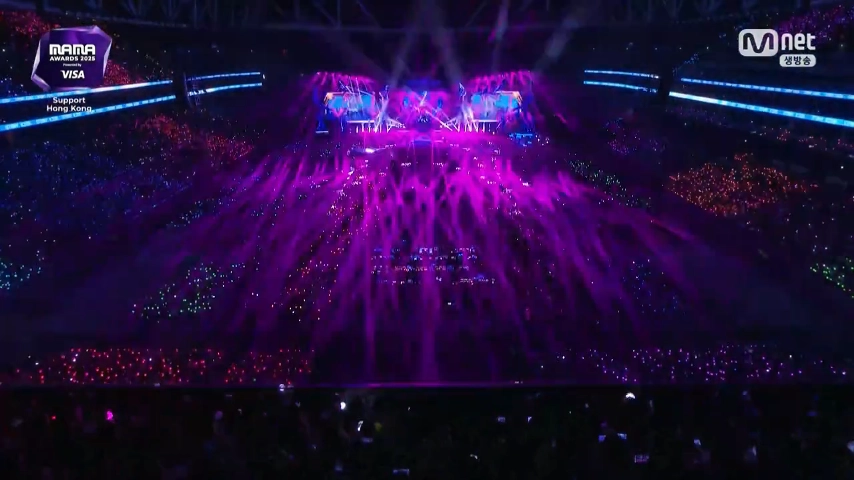
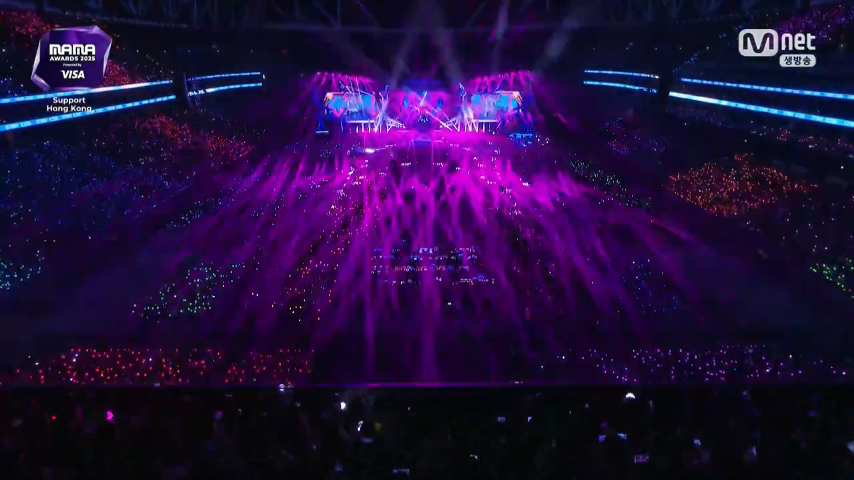
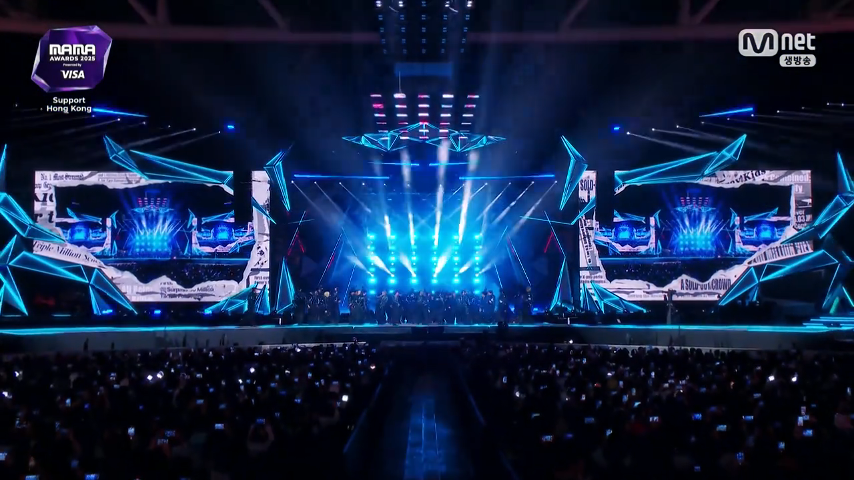
Concerts require impactful visuals that complement music dynamics. Vertical movements, pulsating formations, and symmetrical arrays allow kinetic fixtures to behave like living architectural structures. Designers program winches and LEDs through DMX or Art-Net to match tempo shifts, transitions, and climaxes, creating a cohesive audiovisual narrative.
Nightclubs and Festivals: Enhancing Energy Through Motion-Based Lighting
Nightclubs rely heavily on kinetic motion lighting to create constantly evolving environments. Moving chandeliers, pixel spheres, or LED tubes descending and rising in sync reshape the audience’s perception of space. At festivals, large-scale truss-mounted kinetic clusters deliver aerial motion effects visible from long distances, boosting energy and immersion.
TV Shows and Live Broadcasting: Precise, Camera-Friendly Visual Effects
Broadcast lighting demands precision and repeatability. Kinetic systems excel because programmable motion paths ensure identical performance across multiple takes. High-CRI LED engines avoid flicker, while motion sequences highlight performers without disrupting camera exposure or shot composition.
Theme Parks: Synchronizing Light and Motion for Immersive Storytelling
Theme parks integrate dynamic lighting systems with audio narratives and animatronics. For example, kinetic orbs may simulate floating lanterns, flying creatures, or shifting atmospheres. Motion speed and LED outputs are carefully coordinated to ensure safety, visibility, and thematic cohesion.
Commercial Applications in Retail and Hospitality
Commercial spaces increasingly treat lighting as a strategic design element that conveys brand personality and influences customer perception. Kinetic lighting installations elevate spatial experience, create emotional resonance, and help businesses stand out by making first impressions memorable.
Flagship Stores and Showrooms—Driving Brand Engagement Through Movement
In retail environments, movement naturally draws more attention than static fixtures. Brands integrate kinetic light arrays to highlight new products, seasonal collections, or special promotions. Dynamic motion sequences can be programmed to align with marketing campaigns, allowing stores to refresh visual narratives without physical renovations. Such systems also encourage longer visitor engagement, guiding customers through curated pathways and showcasing products in a visually compelling manner.
Hotels, Lobbies, and Public Spaces—Sculptural Lighting as a Design Centerpiece
Architects and interior designers use kinetic lighting to elevate hotels, lobbies, and public spaces into immersive environments. Suspended moving elements, such as LED spheres or ribbons, create a sense of flow and spatial depth. Motion patterns can be preset for daily cycles, triggered by sensors, or responsive to guest interactions, adding both functionality and artistry. This approach enhances perception of luxury, sophistication, or innovation, transforming ordinary communal spaces into signature design experiences.
Restaurants and Bars—Setting Dynamic Ambience With Kinetic Installations
Kinetic lighting provides restaurants and bars the flexibility to adapt mood and energy throughout the day. Slow, organic motion sequences contribute to relaxed, intimate dining, while faster, rhythmic movements energize nightlife and entertainment settings. By consolidating multiple lighting effects into one system, operators reduce equipment costs and streamline maintenance while still delivering a dynamic and visually captivating environment.
Architectural and Urban Installations
Modern architecture increasingly leverages kinetic lighting to imbue structures with identity, movement, and interaction, particularly in high-traffic public or commercial environments.
Building Facades and Atriums — Creating Living Architectural Features
Kinetic façades transform buildings into dynamic canvases that mimic natural phenomena like wind, waves, or breathing motions. Using energy-efficient LEDs, these installations provide high visual impact while maintaining low power consumption. Programmable patterns allow architects to narrate stories, highlight events, or alter visuals according to daylight, season, or user interaction, offering both aesthetic appeal and functional benefits.
Airports, Museums, and Transit Hubs — Motion-Based Wayfinding and Visual Flow
Large public facilities benefit from kinetic lighting as a subtle navigation tool. Moving light patterns can indicate directions, highlight queues, or draw attention to key points of interest, improving pedestrian flow and visitor experience. Motion-integrated signage also enhances safety and engagement without visual clutter.
Smart City Concepts — Large-Scale Interactive Light Structures
Urban planners and municipal designers employ kinetic lighting to create landmarks that interact with environmental conditions, events, or community input. Dynamic light displays can enhance civic spaces, promote engagement, and provide low-maintenance, energy-efficient alternatives to static installations, merging public art with functional urban design.
Artistic and Experiential Installations
Artists and experiential designers increasingly use motion as a medium to expand the expressive capacity of light. Kinetic installations offer unique ways to engage audiences and deliver immersive sensory experiences.
Interactive Art Exhibitions — Using Motion to Engage Audiences
Motion-sensitive systems allow audiences to influence installation behavior through gestures, proximity sensors, or mobile interfaces. This interactivity fosters emotional connection, encourages exploration, and transforms spectators into participants, redefining the role of audience engagement in contemporary art.
Immersive Experiences and XR Installations — Blending Digital and Physical Space
In immersive exhibitions, kinetic lights synchronize with projection mapping, AR/VR, or XR content. Physical movement of light fixtures enhances depth perception, merges digital visuals with tangible space, and creates memorable multi-sensory experiences that standard static lighting cannot achieve.
Large-Scale Kinetic Sculptures — Transforming Public Spaces Into Art
Public sculptures with kinetic elements serve as cultural anchors, blending art, engineering, and urban design. Weatherproof mechanisms and long-life LEDs ensure durability and continuous operation, turning plazas, parks, and cultural districts into interactive, visually engaging landmarks that attract tourism and community interaction.
Industry-Specific Use Cases for Professional Designers
Kinetic lighting systems are versatile tools, and their applications vary across professional disciplines. Understanding these nuances allows designers to exploit motion, light, and interactivity to achieve maximum creative and functional impact.
Stage Designers—Building Choreographed Light-Motion Sequences
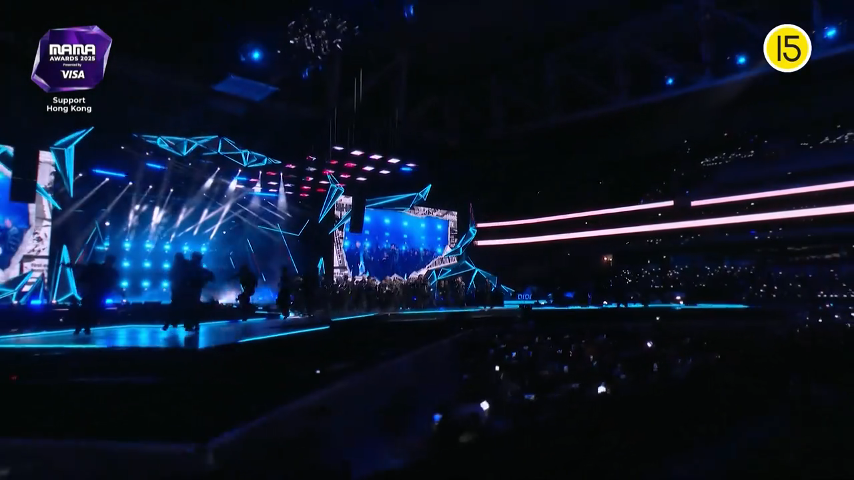
Stage designers leverage kinetic lights to create dynamic, narrative-driven performances. By synchronizing motion with lighting cues, soundtracks, and set changes, designers can produce dramatic visual punctuation, transitions, or climactic moments. Fully programmable systems allow precise control over speed, trajectory, and timing, enabling intricate choreography that enhances audience immersion and storytelling. Such setups are commonly used in concerts, theater productions, and large-scale events to create memorable, cinematic experiences that static lighting alone cannot achieve.
Architects—Using Dynamic Light to Shape Spatial Identity
Architects integrate kinetic lighting into ceilings, atriums, and façades to transform static structures into adaptive, living environments. When incorporated during early design stages, kinetic elements serve as functional architectural features rather than decorative afterthoughts. Dynamic light and motion can define circulation areas, highlight architectural forms, or generate ambiance that shifts throughout the day. This approach allows buildings to communicate brand identity, evoke emotions, or visually respond to occupants, making spaces feel alive and contextually engaging.
Event Planners—Creating High-Impact Visual Moments for Brand Activations
Event professionals use kinetic lighting to craft unforgettable visual narratives during activations, product launches, or large-scale corporate events. Moving arrays, descending light installations, and synchronized sequences can emphasize key moments, attract attention, and guide audience focus. The adaptability of kinetic systems reduces reliance on multiple static fixtures while offering repeatable, programmable effects. This flexibility is particularly valuable for large venues, exhibitions, and temporary installations where audience engagement and experiential impact are paramount.
Before diving into the technical specifications of winches, control systems, and long-term maintenance, it’s essential for designers and project owners to understand the Key Factors to Consider When Choosing Kinetic Lights for Your Project. Elements such as fixture weight, motion precision, LED output stability, system modularity, and installation constraints directly shape the creative possibilities of a kinetic setup. Evaluating these aspects in advance helps ensure that the chosen system not only meets artistic expectations but also aligns with architectural conditions, structural safety requirements, and operational workflows. This clarity makes the transition from creative planning to technical execution smoother and more efficient.
Technical Considerations When Choosing Kinetic Lights
Selecting a kinetic lighting system requires careful evaluation of technical requirements, spatial constraints, and long-term operational reliability.
Ceiling Height, Load Limits, and Winch Requirements
Each installation must account for structural limitations. Designers assess fixture weight, motor load capacity, winch pulling force, drop speed, and safety margins to ensure compliance with building codes and safety standards. Tall or large spaces may necessitate longer travel distances, heavier-duty motors, or multiple synchronized winches. Accurate load calculations and mechanical engineering considerations are critical to prevent wear, ensure stability, and guarantee smooth operation over time.
Control Protocol Compatibility—DMX, Art-Net, and Beyond
Professional kinetic setups often require integration with lighting consoles, media servers, and building management systems. Protocol compatibility—such as DMX, Art-Net, sACN, or proprietary APIs—ensures precise, synchronized control of motion, light intensity, and color transitions. This compatibility also supports scalability, multi-zone programming, and seamless integration with other automated systems, providing designers with creative flexibility while maintaining operational reliability.
Maintenance, Safety Systems, and Long-Term Reliability
Industrial-grade kinetic systems include redundant safety mechanisms like dual-brake winches, tension sensors, and automatic shutdown protocols to prevent accidents. Routine maintenance—such as cable management, lubrication, and LED module inspections—prolongs system life and ensures consistent performance. High-duty applications, including arenas, exhibition halls, and permanent installations, particularly benefit from robust engineering and scheduled preventative maintenance to minimize downtime and extend operational longevity. 、
Why Kinetic Lighting Is Becoming a Global Design Trend
The adoption of kinetic lighting reflects evolving expectations for dynamic, interactive, and immersive environments across industries.
Audience Demand for Immersive and Interactive Experiences
Modern audiences increasingly expect spaces to respond to their presence and evoke sensory engagement. Motion and dynamic lighting create adaptive environments that can surprise, delight, and fully immerse visitors, whether in retail, entertainment, or public spaces. The ability to influence perception and behavior through movement makes kinetic lighting a preferred choice for designers seeking memorable experiences.
The Shift Toward Motion-Based Visual Storytelling
Beyond illumination, motion has become a visual storytelling language. Designers, brands, and artists use kinetic sequences to communicate narratives, emotions, and brand identity, creating progression and drama that static lighting cannot convey. Whether in a concert, museum, or architectural installation, kinetic lights enable multi-dimensional storytelling that transforms how people experience space.
Lower Energy Consumption and Improved LED Technology
Advancements in LED efficiency have made kinetic lighting both sustainable and cost-effective. Modern systems deliver high color fidelity, smooth dimming, and extended lifespans while consuming significantly less power than conventional lighting or large-scale projection systems. The combination of low energy use, programmable flexibility, and minimal maintenance supports long-term adoption in both temporary and permanent installations worldwide.
Why Choose FENG-YI for Custom Kinetic Lighting Projects
For complex kinetic lighting projects, selecting the right partner ensures technical reliability, creative freedom, and seamless execution. FENG-YI delivers turnkey solutions for entertainment, commercial, architectural, and artistic applications.
Engineering-Level Precision for Complex Motion and Light Control
FENG-YI designs systems with industrial-grade motors, precision encoders, and advanced controllers that enable accurate, repeatable motion sequences. High-load installations, permanent overhead setups, or dynamic façade projects benefit from this reliability.
Customizable Solutions for Entertainment, Architecture, and Art Installations
FENG-YI provides fully customizable kinetic lighting solutions—including pixel layouts, motion speed, LED types, and fixture shapes—suitable for large-scale exhibitions, building façades, or interactive art projects.
Proven Reliability With Industrial-Grade Safety Systems
Safety is embedded in every project: dual-brake mechanisms, tension sensors, and fail-safe protocols ensure secure operation even in high-duty or 24/7 installations.
End-to-End Support: Design, Manufacturing, Programming, and On-Site Assistance
From concept modeling and prototyping to on-site calibration and maintenance, FENG-YI offers complete project support, guaranteeing smooth integration and optimal performance.
Tailored Prototyping and High-Volume Production for Global Clients
As a leading kinetic lighting manufacturer, FENG-YI supports both bespoke prototypes and large-scale production runs for international clients, including hotels, museums, commercial brands, and entertainment venues, ensuring projects are delivered on time and to specification.
Conclusion
Kinetic lighting has transformed how spaces communicate, entertain, and inspire. Its integration across entertainment, commercial, architectural, and artistic environments signals a global shift toward motion-based design that merges technology with human experience.
If you are planning a custom installation or sourcing large-scale solutions, FENG-YI—your trusted custom kinetic lighting solutions provider—offers engineering reliability, creative flexibility, and comprehensive support from concept to installation.
FAQs About Kinetic Lights
Are kinetic lighting systems safe for overhead installations?
Yes. Professional systems use dual brakes, overload sensors, thermal protection, and redundant safety mechanisms to meet international overhead rigging standards.
How much maintenance do kinetic lights require?
Routine inspections every 3–6 months ensure cables, motors, and LED modules maintain optimal performance. High-duty venues may require more frequent checks.
Can kinetic lights be customized for unique projects or large events?
Absolutely. Motion length, LED type, pixel density, fixture shape, and control protocols can all be customized to match design requirements.
What is the usual installation time for a kinetic lighting project?
Time varies with scale—small installations require a few days, while large architectural systems may take several weeks for rigging, addressing, and programming.
Recommended for you
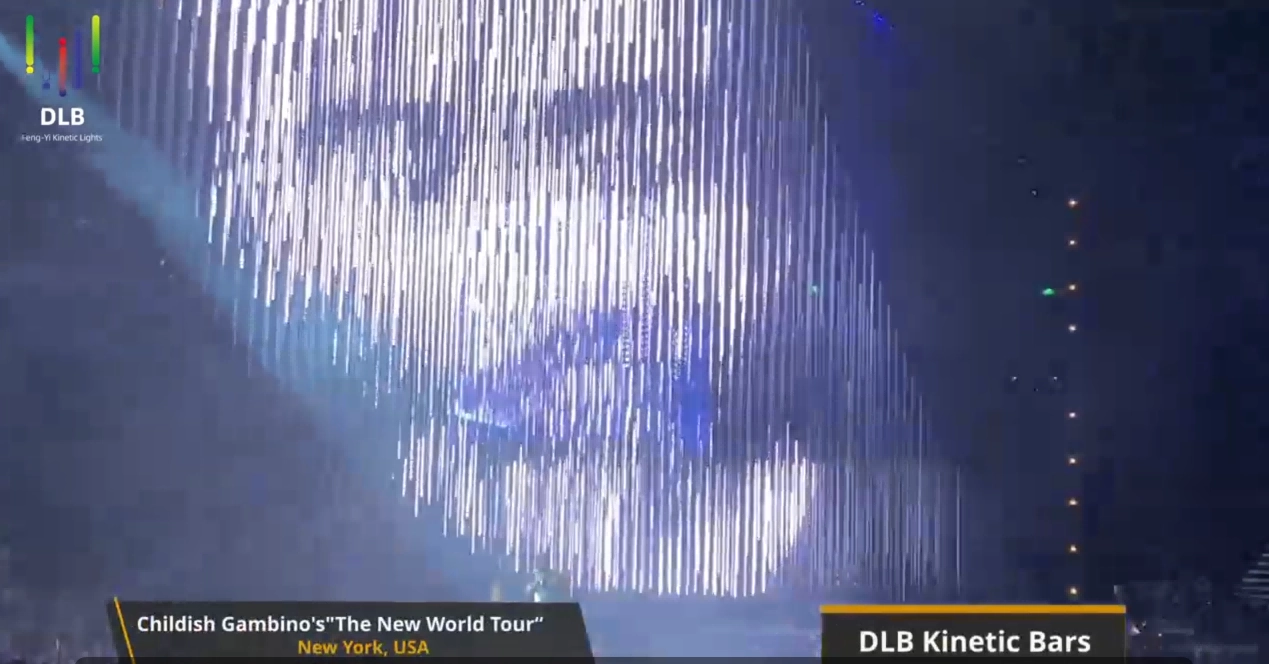
US New York -A Lighting Revolution at the Childish Gambino’s The New Would Tour-Dynamic Bar
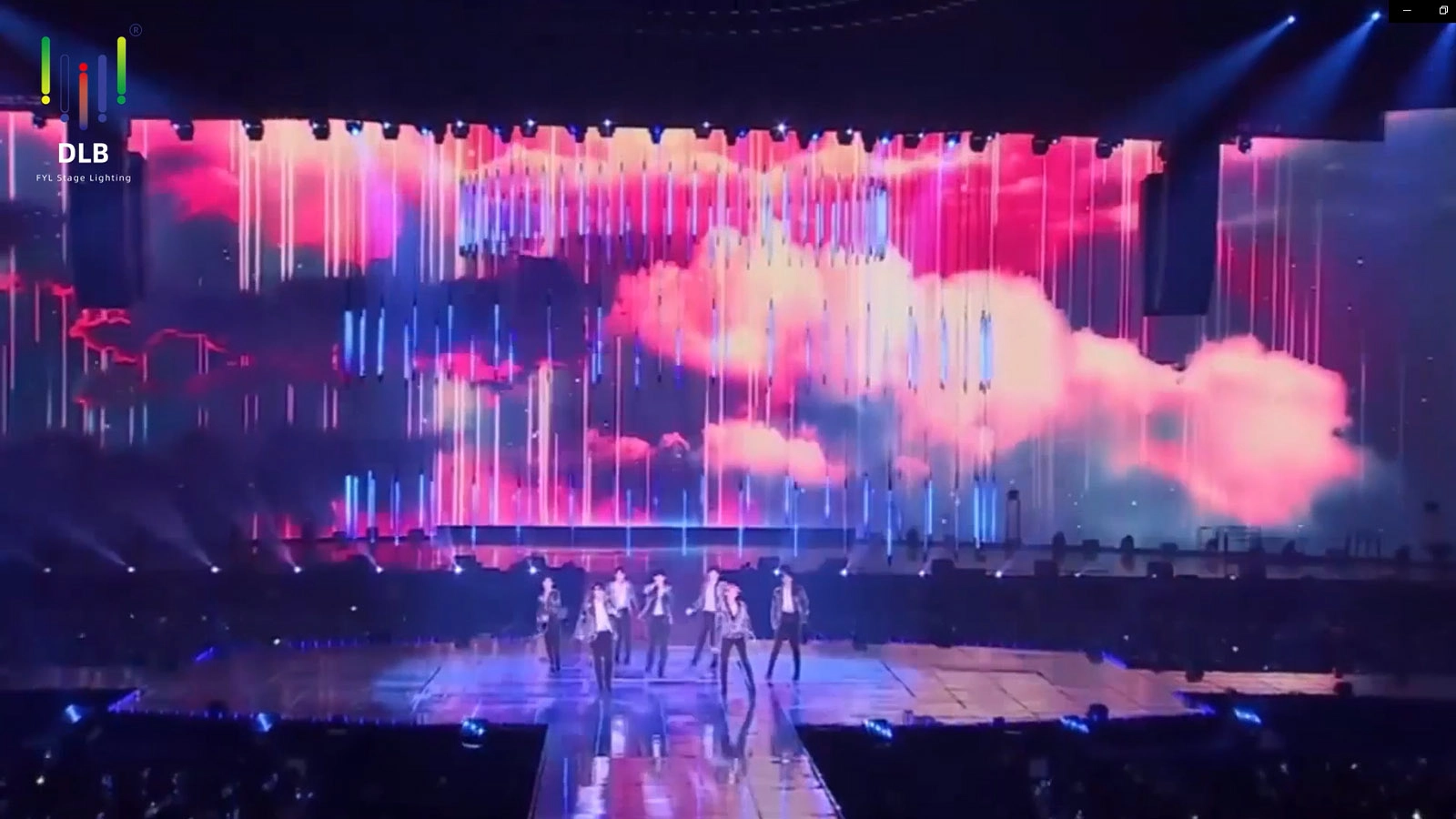
South Korea Seoul -Got7 concert-Dynamic Bar
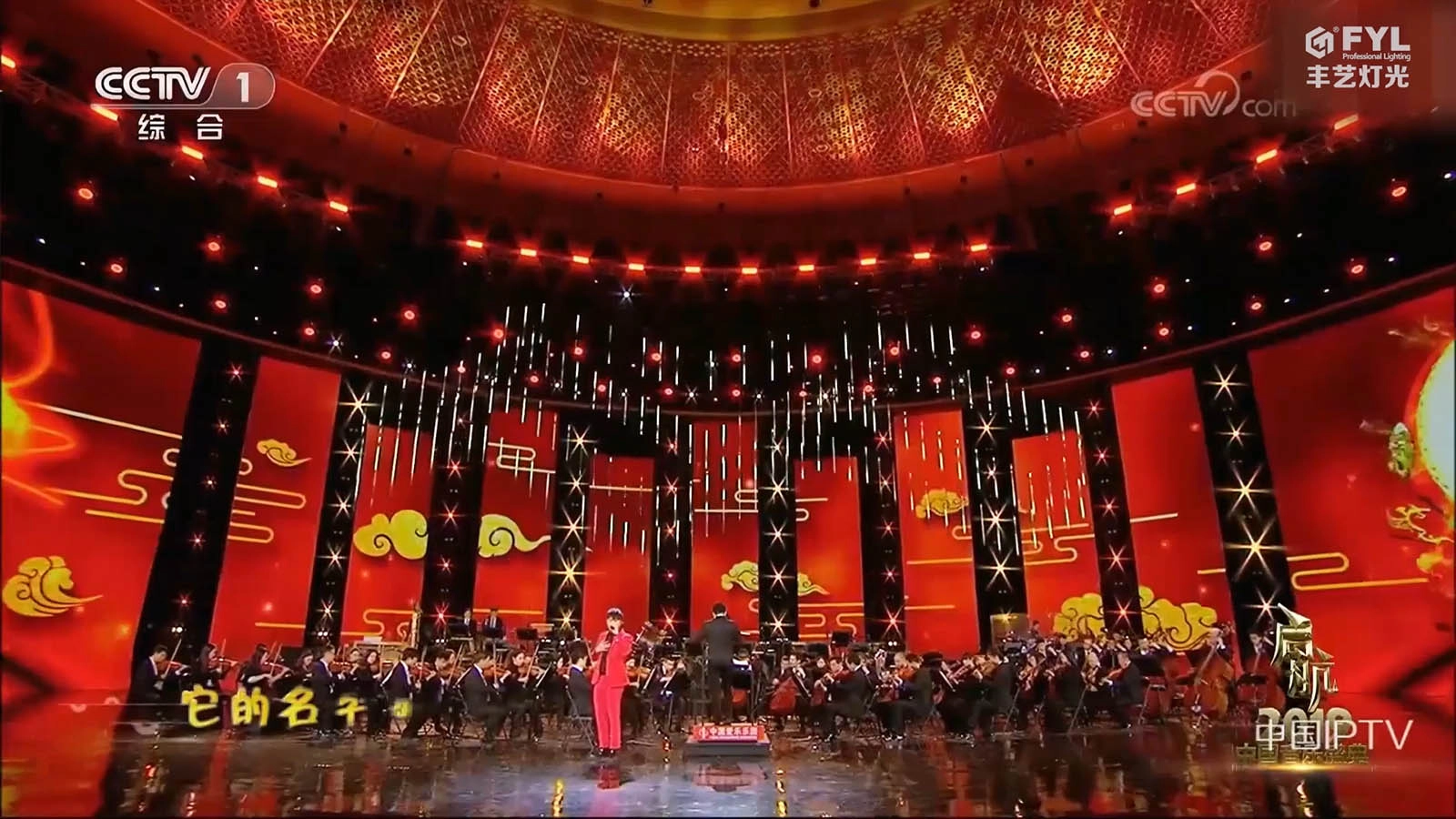
Beijing China-CCTV 2019 China Music Awards-Dynamic Bar
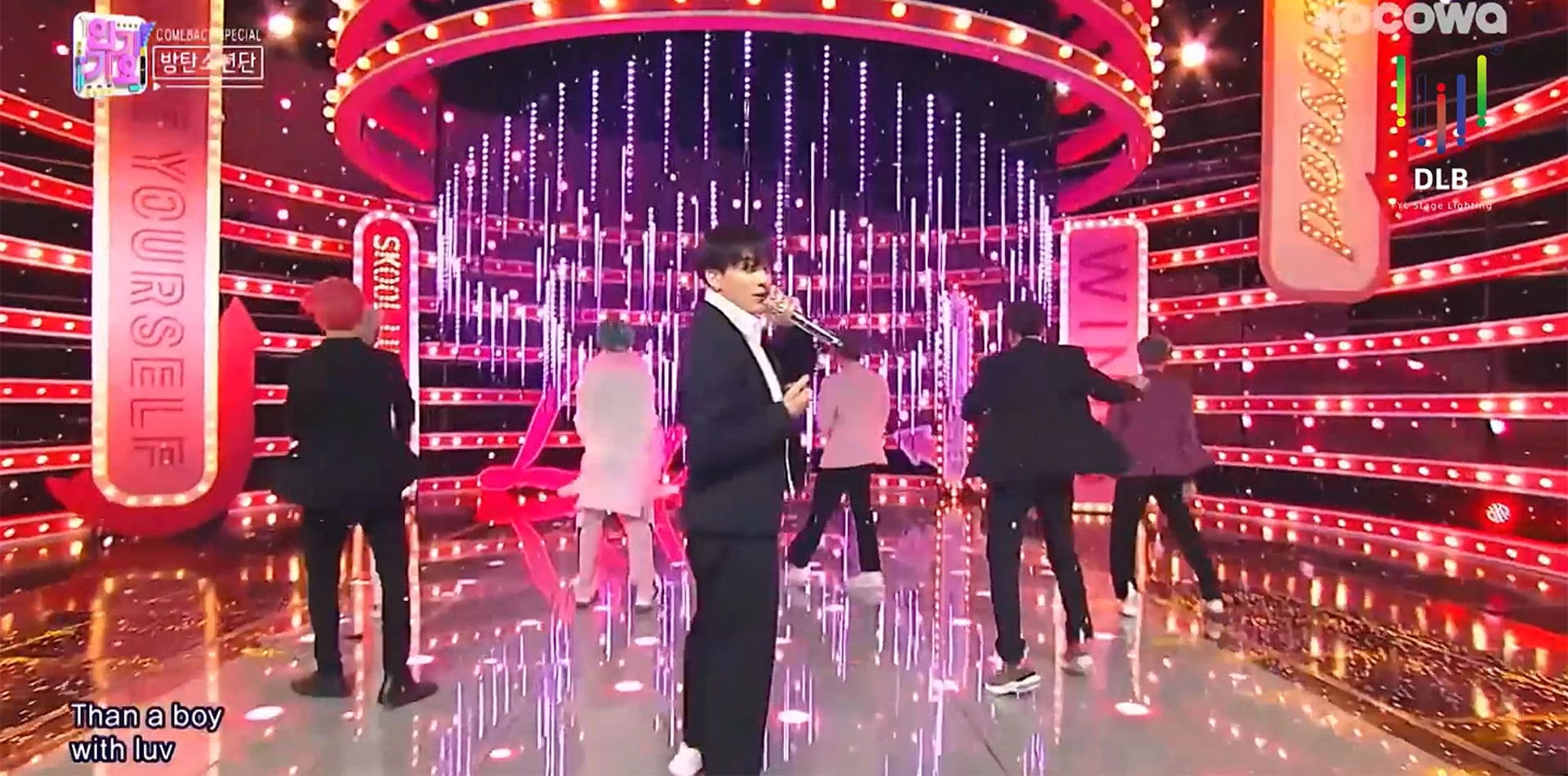
South Korea-BTS's "Boy with Luv" performance-Dynamic Bars
Prdoucts Categories
FAQ
Logistics Services
Can urgent orders (e.g., customers need the lights the next day) be arranged for expedited shipment?
Expedited shipment is supported for urgent orders: For standard models (e.g., conventional PAR lights, 7-lamp 60W wash lights), if stock is sufficient, SF Express/JD Air Freight can be arranged on the same day (freight is borne by the customer; e.g., the air freight for 10 conventional lights is approximately 200-300 RMB), with next-day delivery. For standard models out of stock, expedited production can be arranged (shipment within 3 days), and an expedited fee (10%-15% of the order amount) will be charged. Specific details to be confirmed with the account manager.
Products
The X/Y axis moves abnormally (jitter, no response). What causes this?
Address the issue as follows:
1. Mechanical Check: Open the fixture (after power-off) to inspect if the X/Y axis belts are loose or broken; re-tighten or replace belts if needed.
2. Optical Coupling Calibration: Enter "Settings → Motor Calibration → X/Y Axis" to adjust the offset (-128~+127) or enable "Optical Coupling" (auto-corrects step loss).
3. Reset & Restart: Press "Menu → Reset → XY Reset" to reposition the axes; if no response, check the X/Y axis photoelectric switches (replace if "X/Y Hall Error" appears in the error menu).
The fixture does not respond to the DMX controller. How to fix it?
Resolve with these checks:
1. DMX Address & Channels: Ensure the fixture’s starting address is correct (e.g., 34CH fixture 1: A001, fixture 2: A035) and the controller’s channel count ≥ total fixture channels.
2. Signal Wiring: Use shielded twisted-pair DMX cables (≤150m); install a 120Ω terminal resistor between pins 2-3 of the last fixture’s XLR connector.
3. Signal Amplification: For cable lengths >150m, add a DMX signal amplifier to avoid signal loss; separate DMX cables from high-voltage power cables (≥1m apart) to prevent interference.
What light control modes does the 7-lamp 60W wash light support? Is it compatible with DMX consoles of other brands?
It supports three control modes: DMX512, sound activation, and auto-run. The channels can be selected as 23CH/35CH/51CH (the 51CH mode enables independent R/G/B/W dimming for each individual lamp bead). It complies with the international universal DMX512 protocol and is compatible with mainstream brand consoles (e.g., MA, Good, Pearl consoles). When connecting, it is recommended to connect a 120Ω terminator to the output end of the last light to reduce signal interference.
Want to learn more about the latest updates?
Have questions or ready to illuminate your project? Reach out to our expert team today.
Rest assured that your privacy is important to us, and all information provided will be handled with the utmost confidentiality.
By clicking "Send your message," I agree to your processing my personal data.
To see how to withdraw your consent, how to control your personal data, and how we process it, please see our Privacy Policy and Terms of Use.

FENG-YI has been continuously innovating and has grown into a Kinetic Lights Manufacturer and solution provider with unique advantages.
Contact
+86 181 2785 5301
Address
Building 5, No. 34, Fuyuan Road, Jinghu IndustrialZone, Xinhua Town, Huadu District, Guangzhou, China.
© 2025 FENG-YI. All Rights Reserved.
Facebook
Instagram
YouTube
TikTok