










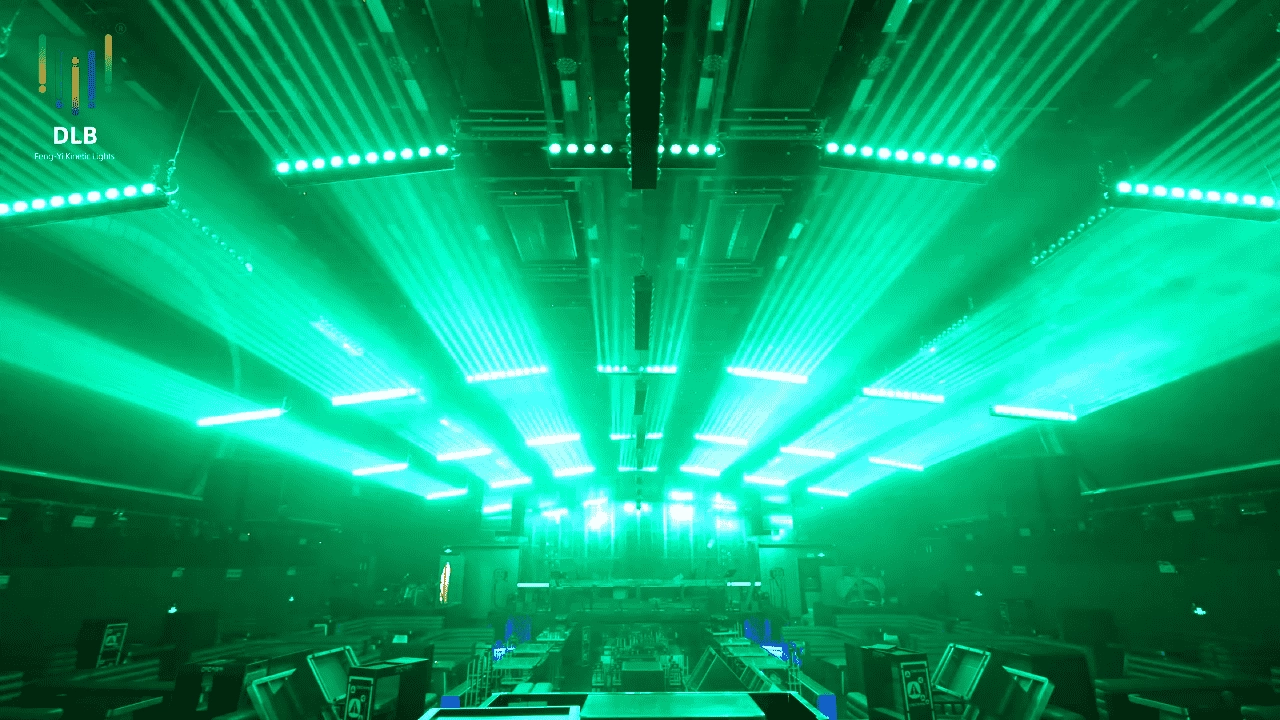
What Are Kinetic Lights? Core Concepts and System Components
Discover the core concepts and system components of Kinetic Lights with FENG-YI. This article explains how Kinetic Lights work, their innovative technology, and key elements that power dynamic lighting solutions. Explore FENG-YI’s expertise in advancing kinetic lighting systems today.
- Introduction to Kinetic Lights
- Definition and Core Concept of Kinetic Lights
- Historical Development and Industry Evolution
- Key Components of a Kinetic Lighting System
- Lifting Mechanisms and Motorized Systems
- LED Modules and Light Engines
- Control Systems: DMX, Art-Net, and Real-Time Interfaces
- Safety Systems and Load Management
- How Kinetic Lights Work
- Motion Programming and Animation Curves
- Synchronizing Motion and Light Effects
- Real-Time Feedback and Interactive Capabilities
- Popular Types of Kinetic Lights
- Kinetic LED Balls and Droplights
- Kinetic Pixel Tubes and Columns
- Kinetic Lifting Units and Custom Installations
- Benefits of Kinetic Lights in Modern Visual Design
- Immersive Audience Experiences
- High Customization for Creative Projects
- Spatial Depth and Dynamic Architecture
- Energy Efficiency and Long-Term Reliability
- How to Choose the Right Kinetic Lighting System
- Evaluating Motor Precision and Lifting Stability
- Assessing LED Quality and Light Output
- Compatibility with Controllers and Software
- Safety Certifications and Industry Standards
- Why Choose FENG-YI for Kinetic Lighting Solutions
- Heavy-Duty Lift Systems with High Precision
- Durable LED Modules for Professional Visual Effects
- Customizable Fixtures for Artistic and Commercial Applications
- Proven Global Project Experience and Reliable Support
- Conclusion
- FAQs
Introduction to Kinetic Lights
Kinetic lights are a revolutionary technique in contemporary visual design, incorporating light and accurate movement to create dynamic and immersive experiences. In contrast to conventional fixed lighting systems, kinetic lighting systems enable every single light to slide freely, producing a three-dimensional effect, animated shapes and interactive spatial arrangements. By knowing their key principles, one gets an idea as to why it has become inevitable that these systems have found their way into professional event production, architectural lighting application and creative installations.
Definition and Core Concept of Kinetic Lights
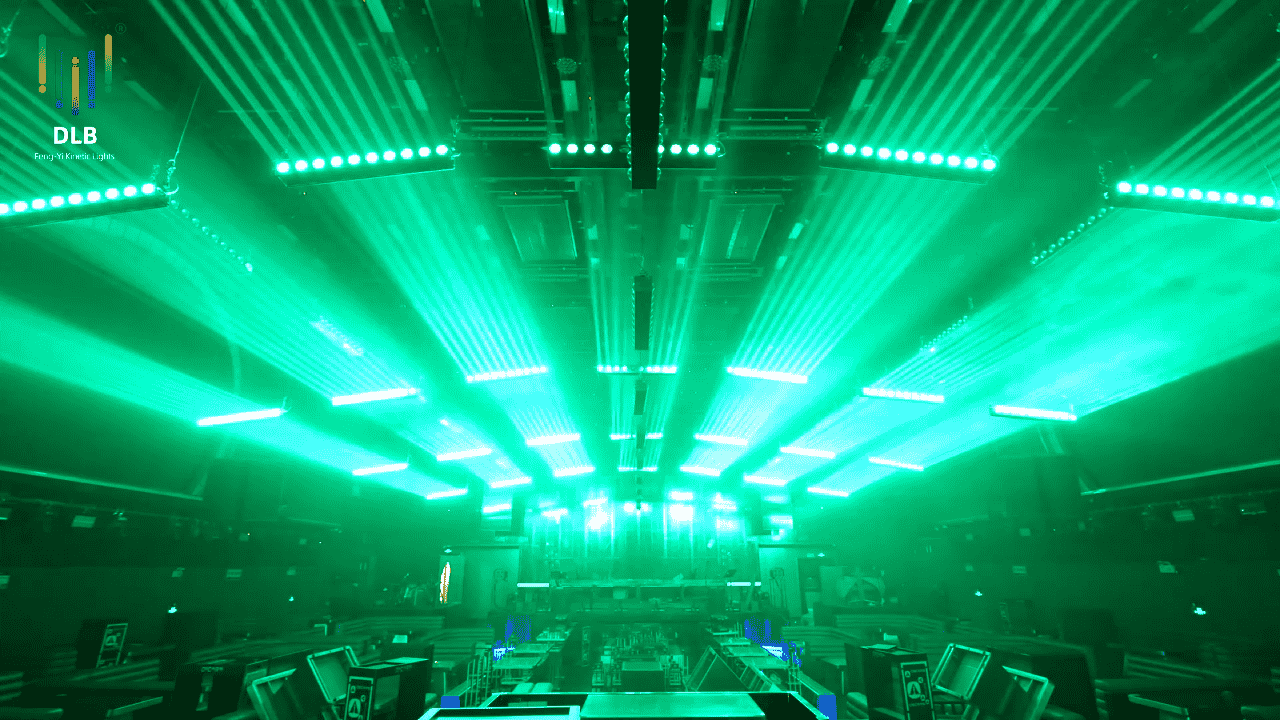
Kinetic lights are programmable lighting, a lighting system that uses LEDs with motorized motion, allowing each light, be it a ball, tube or column to move vertically, laterally or in rotation. These movements are usually in sync with light modulation, serving to produce flowing images, volumetric effects and more complicated animation. Individual lights can be designed as independent pixels to allow designers to create immersive stories both on stage and in permanent installations.
Historical Development and Industry Evolution
Kinetic lighting was created when automation of stages, architectural lighting, and digital light control technologies came together. Mechanical systems in the early days were imprecise in movement. The use of LED technology, motorized lifts, and networked control systems such as DMX and Art-Net has taken kinetic lights to the level of a professional standard, and they can be used in large-scale events, art installations, and commercial settings.
Key Components of a Kinetic Lighting System
Each of the kinetic lighting systems is based on combined software and hardware to make the motion smooth and synchronized and reliable. These components are important to know to determine the performance and long-term sustainability of the system.
Lifting Mechanisms and Motorized Systems
The kinetic lights depend on the lifting system. Servo or stepper motors which are known to be high-precision, drive the movement along pre-programmed paths, which provides stability and visually smooth acceleration curves. Winches, pulley and load sensors are used to ensure safety and precision, especially in overheads.
LED Modules and Light Engines
LEDs are bright, energy efficient and can render colors. The pixel mapping, gradient transitions, and dynamic effects, which are complementary to motion, have been made possible by high-quality modules. Thermal control guarantees stable output even when used over a long period.
Control Systems: DMX, Art-Net, and Real-Time Interfaces
The protocols used to control the lighting fixtures are networked; this allows two or more fixtures to communicate with each other, creating synchronized motion and lighting effects as well as interactive possibilities. Connection to lighting consoles and media servers allows real-time manipulations and group choreography as well as sophisticated programming.
Safety Systems and Load Management
The kinetic lighting is mainly about safety. Hazardous braking, overload, tension control, and certified hardware controls are safety measures that can control the risk of operating safely in groups of people or on delicate architectural sites.
To further deepen your understanding of how these components operate in real-world applications, you can also explore How Kinetic Lights Work: Motion Control, Light Engines, and Safety Systems. This topic expands on the interaction between mechanical movement, LED engines, and safety protocols, helping designers and engineers see how individual elements come together to create seamless kinetic lighting experiences.
How Kinetic Lights Work
Kinetic lights are used to convert traditional lighting systems into a new and visually expressive interaction through the combined use of mechanics, optics and programmable control. These systems offer designers the opportunity to choreograph light in 3-dimensional space, coordinate effects with music or events and produce immersive, high-impact scenes by combining a high level of precision with motorized movement combined with a high level of LED technology. Knowledge of the working principles is essential in the pursuit of aesthetic, as well as functional, perfection of stage, architectural or experiential lighting by the professional.
Motion Programming and Animation Curves
Kinetic lighting is based on the program of motion. The designers implement software to specify the exact movement paths, acceleration curves and velocity profiles of each of the fixtures. These movement trajectories guarantee an absence of discontinuity and sharpness, and both the aesthetic aspect and mechanical durability of the system are maintained. Complex systems enable micro-modulations of starting and stopping points, facilitating the generation of flowing waves, cascading forms, or abrupt bursts of motion in relation to performance prompts. This type of level of control is necessary in more complex configurations like a large concert array or multi-layered configurations.
Synchronizing Motion and Light Effects
Kinetic lights attain their greatest effect when mechanical action is accurately coordinated with lighting indications. The designers synchronize the light, color scale, pixel mapping and timing effects to produce superimposed visual compositions. Through a combination of precision in movement and optical modulation, kinetic lighting may create the effect of a volume, suspended geometrical designs, or set sequences that react to the performer or viewer input. This synchronization turns a dead zone or architectural space into a moving screen and increases interaction and causes unforgettable visual narratives.
Real-Time Feedback and Interactive Capabilities
More complex kinetic lighting systems usually use sensors such as LiDAR, depth cameras or motion sensors to become real-time interactive. The fixtures react to human motion, music musical beats or environmental changes producing adaptive effects and live visual experiences. It can be especially useful in immersive art installations and experiential marketing spaces, and other interactive displays, where the main goal is to engage the audience. The performance reliability is also supported by the real-time feedback, since the automatic adjustments are made to keep accuracy and avoid motion errors in the complicated sequences.
Popular Types of Kinetic Lights
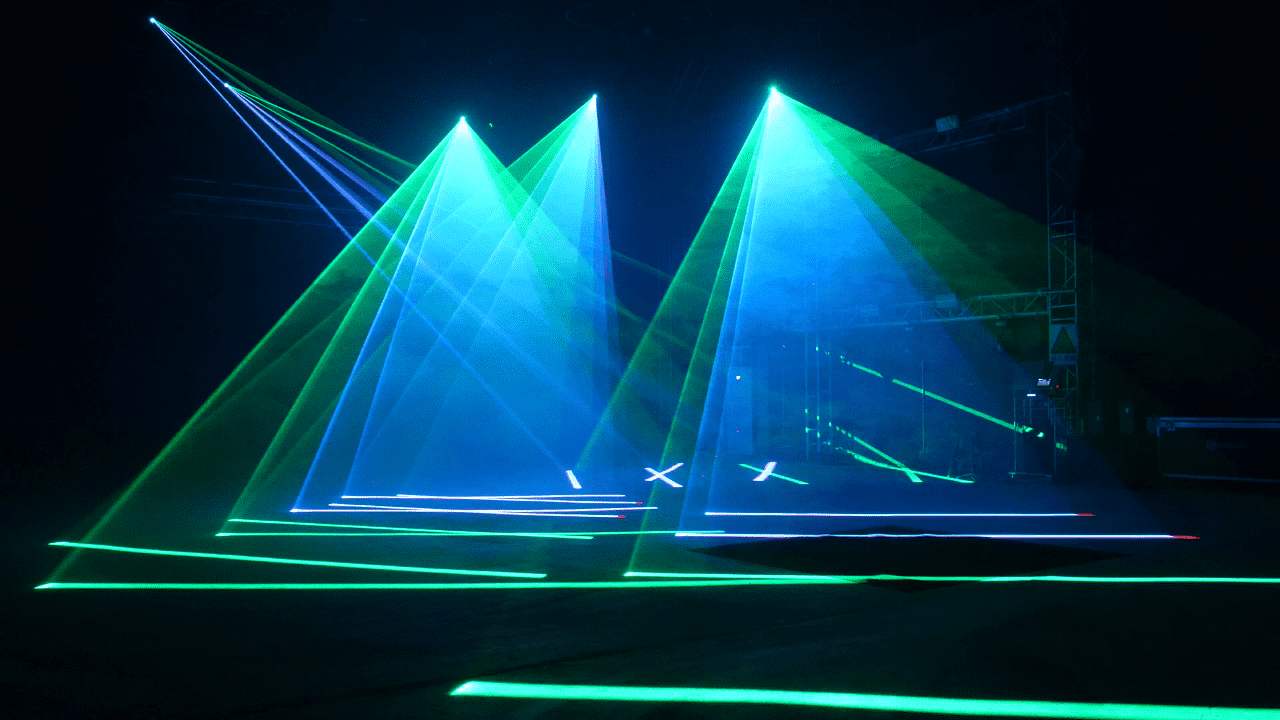
The knowledge of the types of fixtures available assists lighting designers to identify the best solutions required to fulfill the aesthetic and technical needs. Both types have different motion features, light quality and integration options.
Kinetic LED Balls and Droplights
Kinetic LED balls are spherical lights that provide even light scattered across a room and also can be fitted in arrays and moved in sync. They are lightweight and fast to move on their vertical or lateral axis, which can be useful in concerts, immersive exhibitions, and theatrical productions. Droplights offer accurate downlight with movement features that allow the designers to highlight the performers or objects in motion and still fit within the larger choreographed effects.
Kinetic Pixel Tubes and Columns
Crystal columns and line pixel tubes are used to offer pixel mapping at a high resolution to support complex pixel effects, including gradients, text displays, or video content. Their vertical structure makes them appealing to the architectural design, and motorized movement provides even more depth and dimensionality to installations. These fixtures are typically installed in retail flagship shops, hotel lobbies of luxury hotels or large-scale art installations where aesthetics as well as spatial experience are needed.
Kinetic Lifting Units and Custom Installations
Any kinetic lighting system is based on the lifting mechanism, which includes motors, encoders, cable spools, braking systems, and load sensors. High-precision lifts provide vertical or horizontal movement with high precision and consistency of the stability of the fixations with different loads, as well as with great or heavy installations. Tailored lifting systems enable designers to achieve site-specific designs, whether in permanent architectural lighting, a touring concert, or a personalized experience design.
Benefits of Kinetic Lights in Modern Visual Design
Kinetic lights offer aesthetic innovation as well as technical performance, which enhances visual experiences in the workplace.
Immersive Audience Experiences
The motion lights are intrinsically eye-catching and keep the audience attentive, creating the effects of multi-senses, which a fixed lighting cannot reproduce. Kinetic lighting can produce rhythmic effects, provide accent of point of focus and provide immersive storytelling by overlaying motion, color, and brightness to concerts, stage shows or participatory installations.
High Customization for Creative Projects
Kinetic lighting systems enable the use of motion parameters, pixel mapping, and the behavior of the fixtures by the designers to create custom visual signatures. Such a level of customization encourages branding activities, themed installations, and distinctive artistic renditions, which is an advantage compared to the standard fixed fixtures.
Spatial Depth and Dynamic Architecture
Kinetic lighting distorts the sense of scale, texture and depth by controlling the movement of lights in the 3-dimensional space. These dynamic effects in theaters, gallery or hotel atria are turning the usually plain settings into multi-dimensional spaces with visual appeal.
Energy Efficiency and Long-Term Reliability
Kinetic lights in the modern world integrate low-power motors, low-power-consuming LEDs, and intelligent thermal control. These systems save money on operations, but they do not suffer under the performance when used in the long term, which makes them appropriate in touring productions as well as permanent architectural installations.
How to Choose the Right Kinetic Lighting System
To have the right kinetic lighting system, one needs to consider the mechanical, optical and safety specifications so that the performance of the system can be consistent.
Evaluating Motor Precision and Lifting Stability
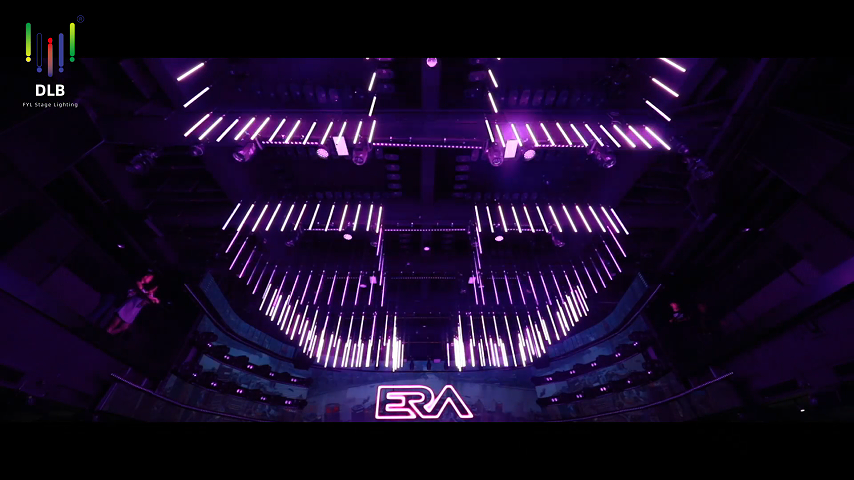
Precision winches, high-resolution encoders and controlled acceleration curves are necessary in order to ensure smooth movement. This is particularly important when it comes to arrays or fixtures of high scale that need to be placed precisely in order to create synchronized effects.
Assessing LED Quality and Light Output
The LED modules are expected to have consistent brightness, precise color display, and thermal stability. Good quality modules will provide a visual consistency over the long operation time and lessen maintenance requirements which is vital in place of work.
Compatibility with Controllers and Software
It should have support of DMX, Art-net or proprietary control systems in order to integrate easily, make real-time adjustments, and do choreographed sequences. Inter physiological compatibility guarantees that designers can program, group and manipulate several fixtures easily.
Safety Certifications and Industry Standards
Safe working conditions, especially in overhead or on-the-street installations, require overload protection, redundancy in the brakes, cables which prove fire resistant and a combination of certification by international standards.
Why Choose FENG-YI for Kinetic Lighting Solutions
FENG-YI is a leading producer of high-quality kinetic light manufacturing company that produces the motion system with high precision and durability of the LED modules and the fixtures of the kinetic lights, which are fully customized and available for artistic and commercial use. They have a world of experience that guarantees quality performance in all their projects.
Heavy-Duty Lift Systems with High Precision
The lifts manufactured by FENG-YI are designed to be stable and accurate and are capable of supporting large arrays or even complex arrays, smoothly moving along motion curves needed in high-profile events and installations.
Durable LED Modules for Professional Visual Effects
The LEDs are designed to stabilize their color output, intensity, and thermoregulation and thus can be used to run long without any performance leakage.
Customizable Fixtures for Artistic and Commercial Applications
FENG-YI offers custom designs of kinetic balls, tubes, and crystal columns, whose size, pixel density, motion paths, and diffuser materials can be customized to the needs of a particular creative or brand.
Proven Global Project Experience and Reliable Support
FENG-Yi provides technical consultancy, simulation before installation, and detailed after-sale services to its clients globally and makes sure that all projects operate successfully in the planning and up to the actual construction.
Conclusion
Kinetic lights enhance the conventional lighting by combining movement, control and visual creativity. The knowledge of components of the systems, motion programming and types of fixtures enables designers to design immersive, dynamic and memorable experiences. Those in need of high-quality and efficient kinetic lighting systems can find an ideal match in FENG-YI because the company specializes in fine-tuning systems, flexibility, and long-established experience in the international market, and thus it can be seen as a stable ally in any large-scale project or tailor-made undertaking.
FAQs
What are kinetic lights and how are they different from standard LED fixtures?
Kinetic lights are LED based systems that move in motion, giving them the effect of creating three-dimensional and dynamic effects, unlike the non-moving LED systems, which are fixed in a spot.
How do I select the right kinetic lighting system?
Test motor tolerance, lifting stability, LED quality, compatibility with the control (DMX/Art-Net), and certified safety standards.
Can kinetic lights be customized for different events or venues?
Yes. Custom sizes, pixel densities, motion programming and diffusers are provided by FENG-YI and other professional manufacturers to fit in particular applications.
Are kinetic lights suitable for long-term installations and touring setups?
Absolutely. The professional kinetic lighting systems have been configured to be used permanently with the motors, LED modules and control system being durable enough to withstand prolonged use.
Which industries benefit most from kinetic lighting?
Spaces Concerts, theater productions, art installations, museums, corporate spaces, and luxury commercial spaces are improved through increased spatial dynamics and visual narratives.
Recommended for you
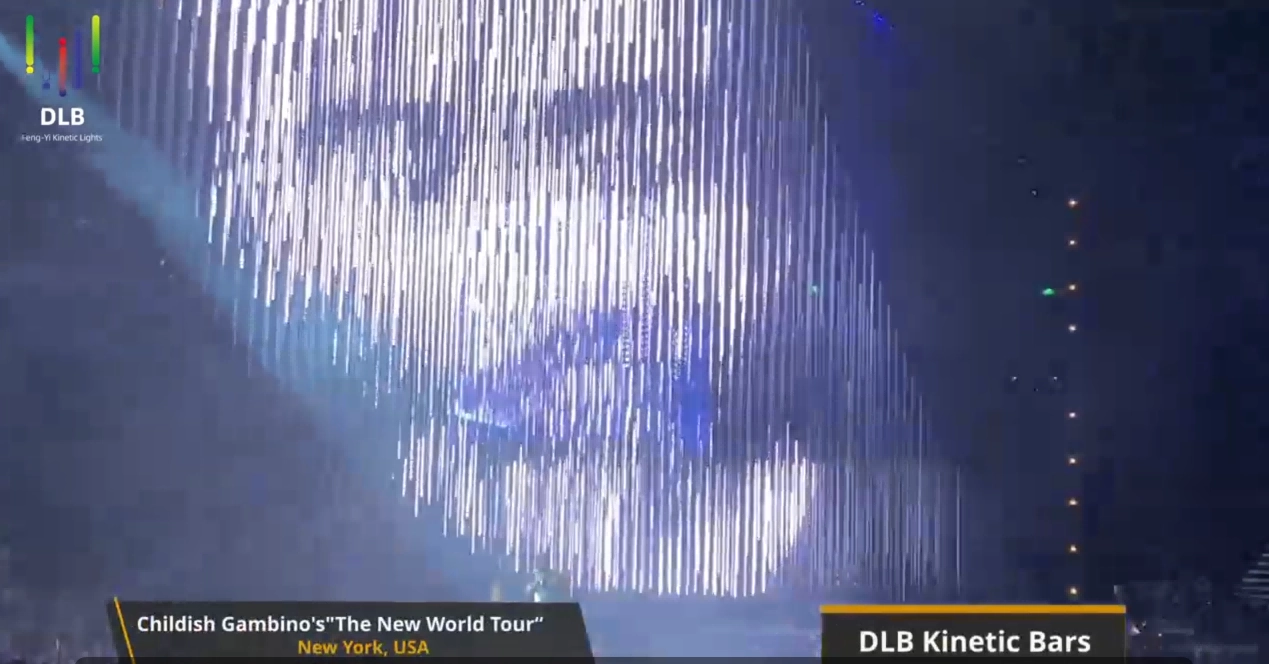
US New York -A Lighting Revolution at the Childish Gambino’s The New Would Tour-Dynamic Bar
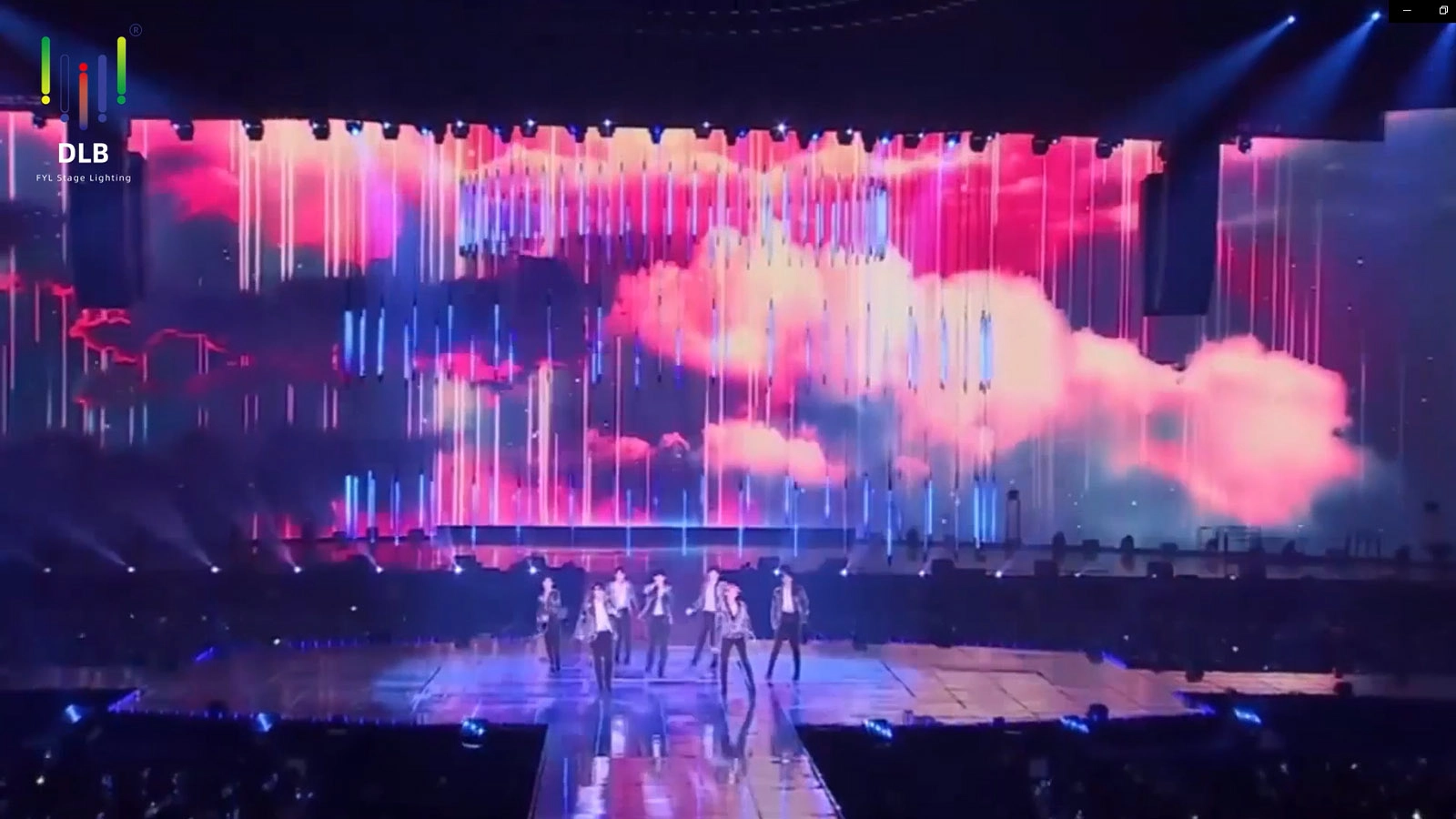
South Korea Seoul -Got7 concert-Dynamic Bar
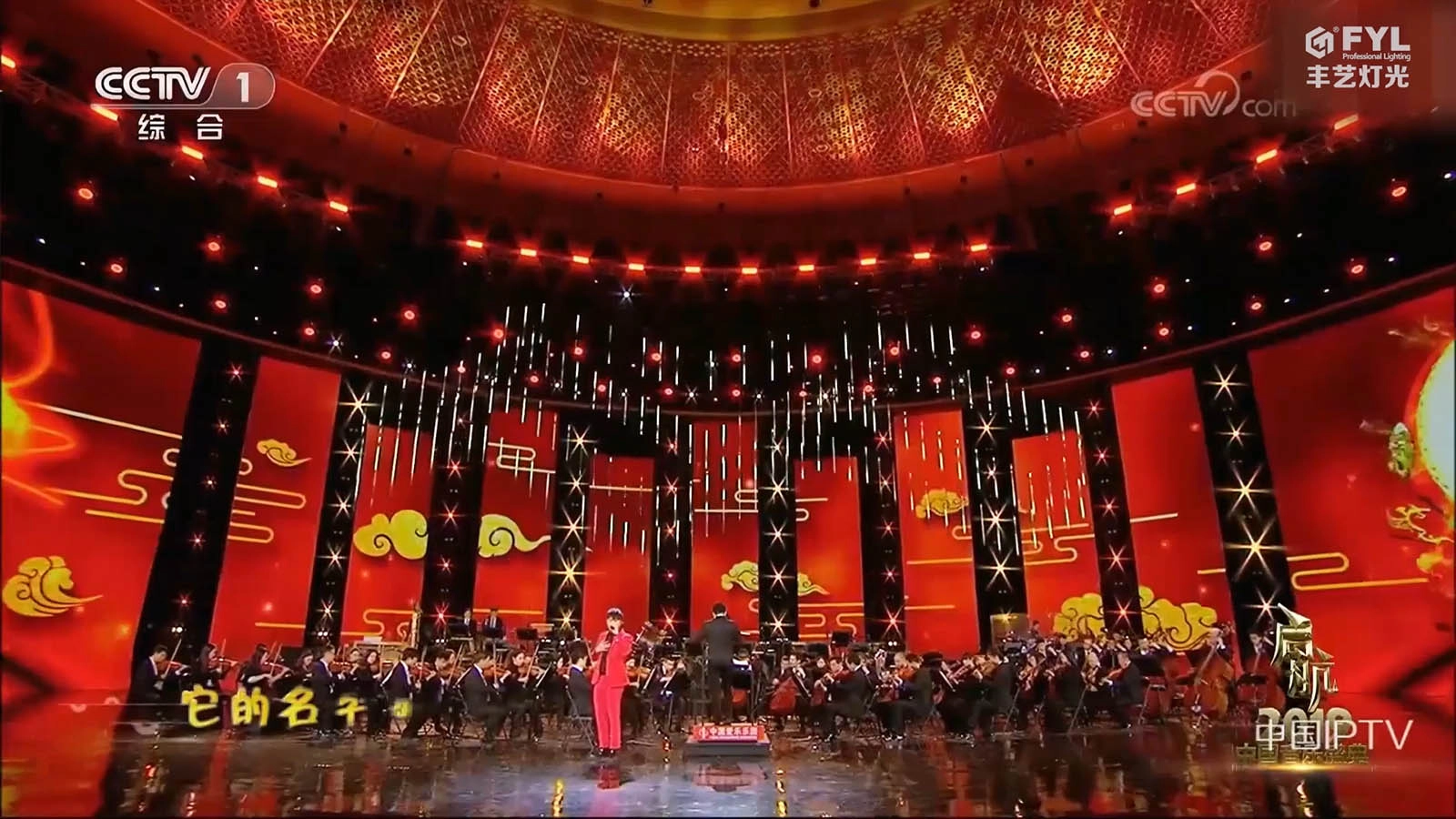
Beijing China-CCTV 2019 China Music Awards-Dynamic Bar
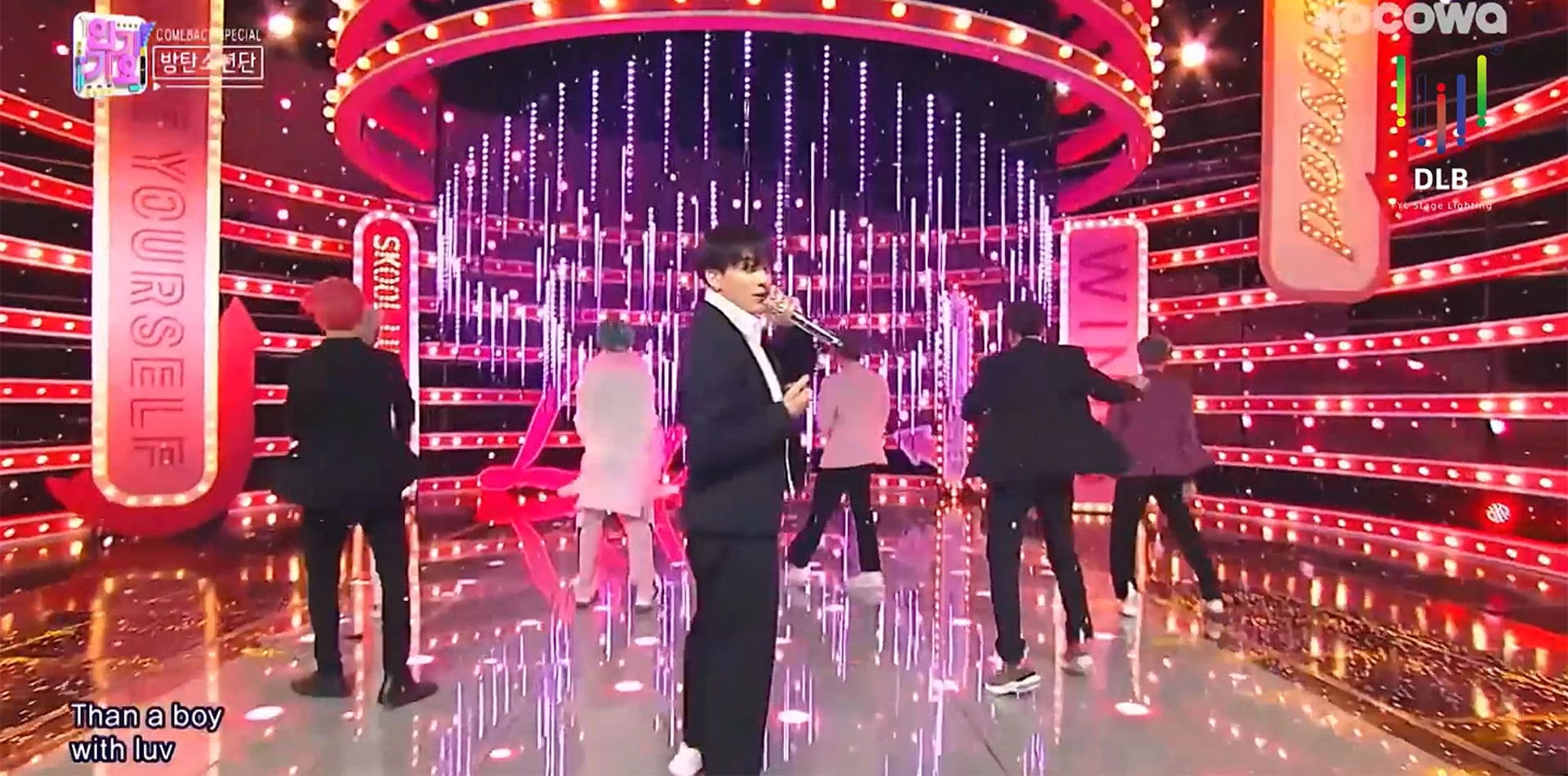
South Korea-BTS's "Boy with Luv" performance-Dynamic Bars
Prdoucts Categories
FAQ
Wholesale Cooperation
What is the restocking cycle for wholesale customers? Can production be prioritized?
The restocking cycle for standard models is 3-7 days (same-day shipment if stock is sufficient), and the restocking cycle for customized models is the same as the initial customization cycle (15-45 days). For annual cooperative customers (with an annual purchase amount of ≥ 500,000 RMB), a "priority restocking agreement" can be signed, and 10%-15% of safety stock will be reserved to ensure emergency restocking needs are met within 3 days.
Wedding & Parties Lighting Solutions
Is the control system compatible with existing consoles?
Supports DMX / Art-Net / sACN for seamless integration with mainstream consoles; also enables Timecode-driven operation and multimedia synchronized control.
After-Sales Support
What is the after-sales process when a product malfunctions? How long is the repair cycle?
After-sales process:
01. The customer contacts the after-sales team (by phone/WeChat) and provides the product model, fault description, and purchase certificate.
02. Technicians conduct remote troubleshooting (e.g., guiding parameter debugging, checking circuits). If the problem cannot be solved, repair by mail or on-site repair will be arranged.
03. Repairs for products sent by mail will be completed and returned within 3-5 days after receipt (freight is borne by us). On-site repair (limited to prefecture-level cities and above) will respond within 48 hours, with a repair cycle of 1-3 days.
Logistics Services
Can on-site installation services be provided? How is the installation fee calculated?
On-site installation services are supported, and the fee is calculated based on the installation difficulty and region:
▪ Regular installation (e.g., bar PAR lights, front lights in small studios): 50-100 RMB/unit in prefecture-level cities and above, 80-150 RMB/unit in county-level regions.
▪ Large-scale installation (e.g., elevating lights in stadiums, moving head light groups for music festivals): Quoted based on the overall project (including travel expenses of installers and tool usage fees). Specific details require providing the installation site floor plan and the number of lights, and the engineering team will formulate a plan before quoting.
Want to learn more about the latest updates?
Have questions or ready to illuminate your project? Reach out to our expert team today.
Rest assured that your privacy is important to us, and all information provided will be handled with the utmost confidentiality.
By clicking "Send your message," I agree to your processing my personal data.
To see how to withdraw your consent, how to control your personal data, and how we process it, please see our Privacy Policy and Terms of Use.

FENG-YI has been continuously innovating and has grown into a Kinetic Lights Manufacturer and solution provider with unique advantages.
Contact
+86 181 2785 5301
Address
Building 5, No. 34, Fuyuan Road, Jinghu IndustrialZone, Xinhua Town, Huadu District, Guangzhou, China.
© 2025 FENG-YI. All Rights Reserved.
Facebook
Instagram
YouTube
TikTok