










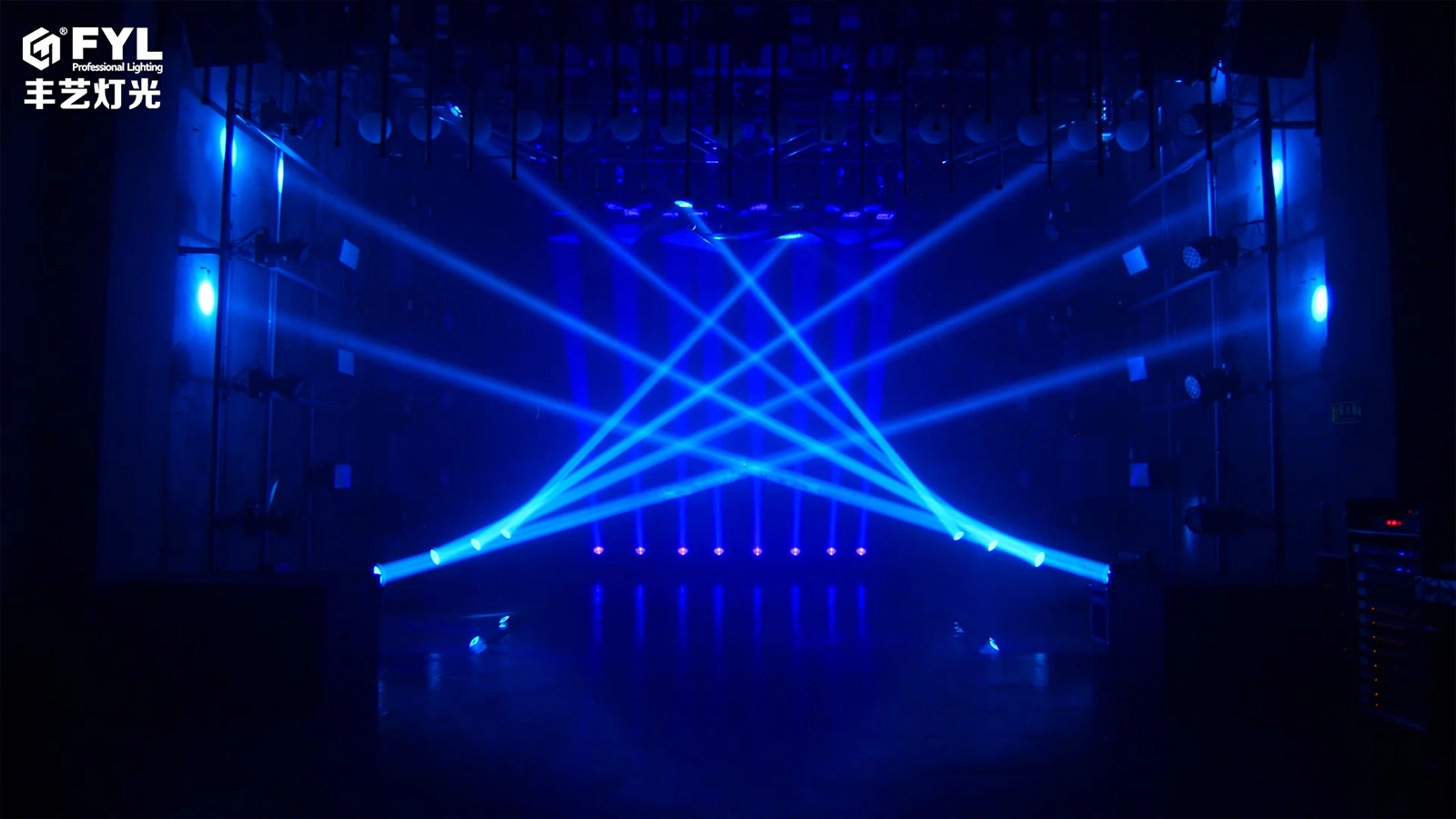
Understanding the Basics and Industry Development of Stage Lighting Technology
Explore the foundational knowledge and evolutionary trajectory of stage lighting technology to gain insights for your professional practice or aesthetic appreciation needs.
Explore the foundational knowledge and evolutionary trajectory of stage lighting technology to gain insights for your professional practice or aesthetic appreciation needs.
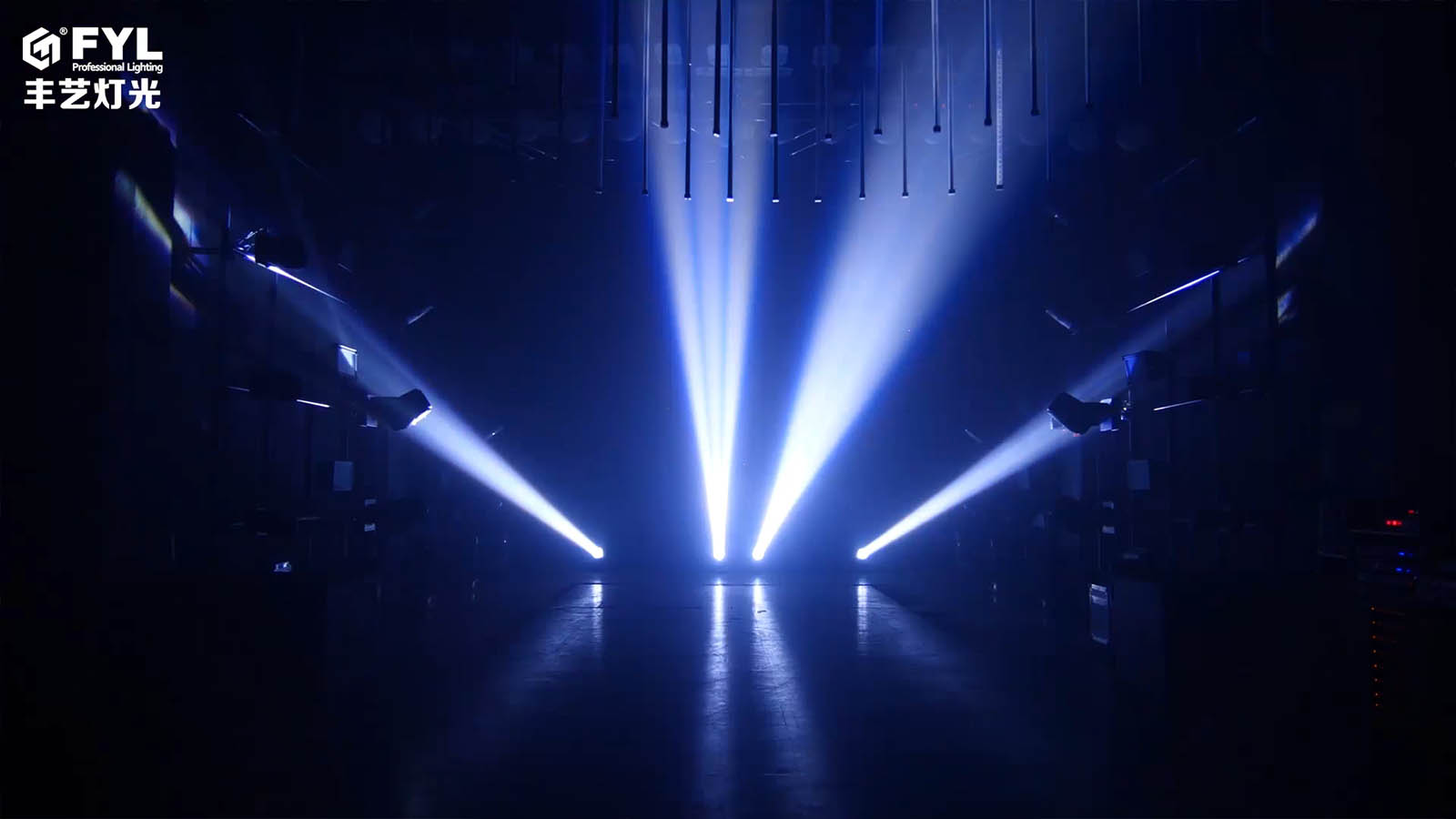
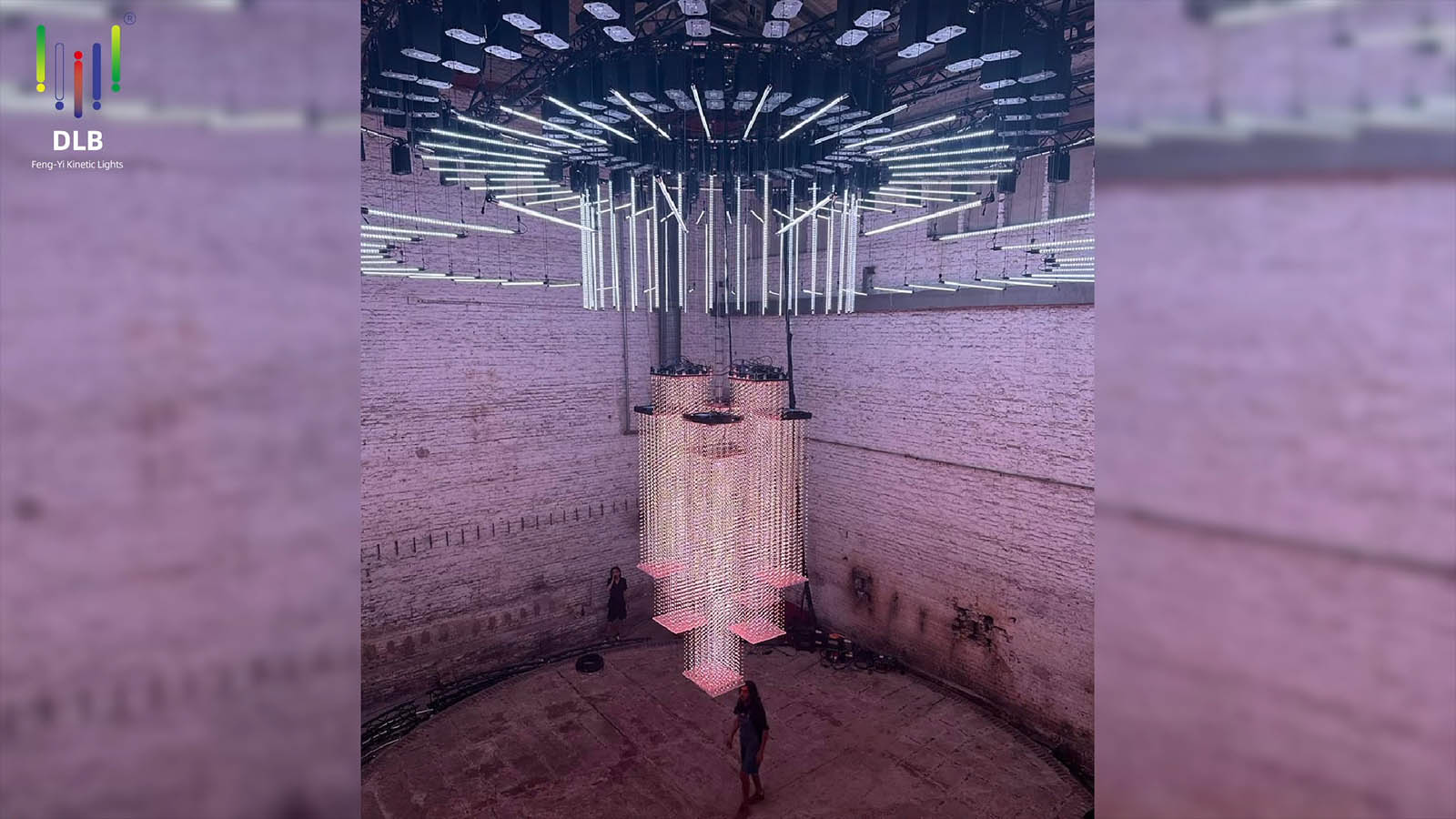
Since the advent of the stage, stage lighting has become an indispensable component. It emphasizes four key elements: vision, realism, aesthetics, and expressiveness. Having undergone years of evolution, it has gradually developed into a relatively complete and advanced lighting system. The first flourishing period of drama emerged over 2,000 years ago in ancient Greece. Theaters at that time were all open-air or semi-open-air, and the stage lighting relied on the sun—the huge "light source" in the sky—so performances could only be held during the day. The need for nighttime leisure and entertainment, the vulnerability of outdoor performances to weather, and the development of drama itself made stage lighting a problem that people had to solve.
The proper handling of stage lighting marks the success of performance lighting design. Stage lighting not only needs to illuminate actors, allowing the audience to clearly see their facial expressions, emotions, and movements, but more importantly, it should fully utilize lighting technology and lighting operation methods to enhance artistic effects and immerse the audience in the scene.
Stage lighting is mainly generated by the combination of computer lights and other lighting equipment, integrating changes in scene shapes, color variations, viewing angles, and horizontal and vertical light angles, as well as adjustments in speed, strobing, aperture size, and focal length. Therefore, before understanding stage lighting technology, it is necessary to master the following basic knowledge:
1. Visible Light
Light is radiant energy that propagates through electricity in the form of electromagnetic waves. The wavelength range of electromagnetic wave radiation is extremely wide, and only radiation with a wavelength between 380-760nm can cause optical vision, which is called visible light. Light with a wavelength shorter than 380nm includes ultraviolet rays, X-rays, and gamma radiation; light with a wavelength longer than 760nm includes infrared rays, radio waves, etc. These cannot produce visual sensations in the human eye, meaning they are invisible. Thus, light is an objective form of energy whose existence is closely related to human subjective perception.
2. Color Classification
Colors can be divided into two categories: achromatic colors and chromatic colors.
Achromatic Colors: Refer to the series from white, light gray, gray to dark gray, and even black, known as the white-black series. Pure white is an ideal object with complete light reflection, having a reflectivity of 1; pure black is an ideal non-reflective object with a reflectivity of 0. Therefore, the achromatic white-black series represents changes in the light reflectivity of objects. We know that the reflectivity of light is proportional to brightness, so white walls and ceilings indoors can achieve higher brightness.
Chromatic Colors: Refer to various colors other than the white-black series. Chromatic colors have three characteristics: hue, brightness, and saturation, which are called the three elements of color.
▪ Hue: Indicates the color presented. It refers to the names of various colors, such as red, green, blue, etc., and is related to the wavelength of light.
▪ Brightness: Refers to the lightness of a color. Different hues have different brightness levels; even the same hue will have differences in lightness and depth due to the influence of the object's surface properties and light intensity. For example, yellow can appear as light yellow, medium yellow, dark yellow, etc.
▪ Saturation (Chroma): Represents the depth (intensity) of a color, which can also be described as the purity and vividness of the color. The higher the saturation, the deeper (richer) the color. Various monochromatic lights in visible light are the most saturated colors. The more white light added to a spectral color, the lower its saturation. For instance, red light has a higher saturation than pink light because pink light incorporates white light. Generally, for the same hue, when brightness changes, saturation also changes. An increase or decrease in brightness will lead to a decrease in saturation; only when the brightness is moderate does saturation (purity) reach its maximum. However, intuitively, people always feel that colors with higher brightness appear more vivid.
3. Primary Colors and Color Mixing Methods
Red, green, and blue are called the three primary colors. These three colors can be mixed in different proportions to produce various colors. There are two basic methods of color mixing: additive mixing and subtractive mixing.
The so-called additive mixing is a method of mixing light of different colors together, adding their respective parts in the spectrum to produce a new mixed color. It demonstrates the chromatic relationship of light and color mixing. When the three primary colors of red, green, and blue are mixed in equal amounts, white light can be obtained.
FAQs:
What are the key elements emphasized by stage lighting?
Stage lighting emphasizes four key elements: vision, realism, aesthetics, and expressiveness.
What is the wavelength range of visible light?
The wavelength range of visible light is between 380-760nm.
What are the three elements of chromatic colors?
The three elements of chromatic colors are hue, brightness, and saturation.
Conclusion:
Stage lighting technology is a comprehensive discipline integrating science and art. Its basic knowledge, such as the nature of visible light, color classification, and color mixing principles, lays the foundation for practical application. From relying on natural sunlight in ancient Greece to the current combination of computer lights and multi-dimensional control systems, stage lighting has continuously evolved to meet the needs of performance art and audience experience. Whether for professional lighting designers or enthusiasts, mastering these basics and understanding industry development is crucial for creating immersive and expressive stage visual effects.
Recommended for you
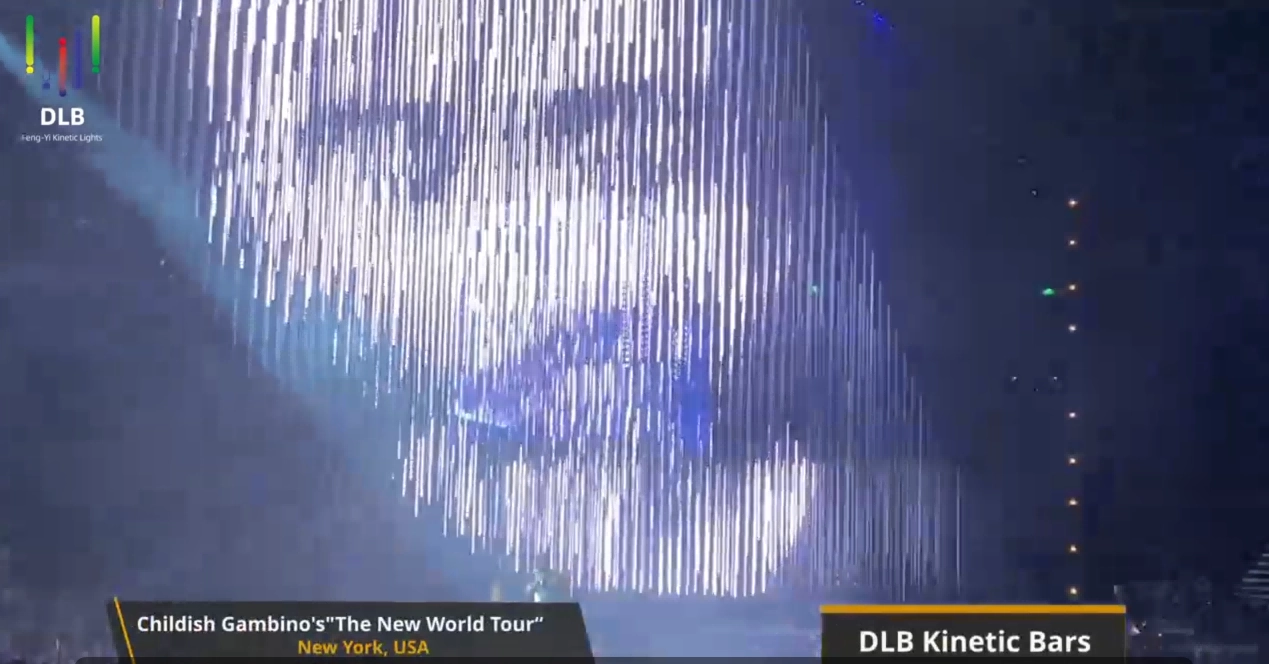
US New York -A Lighting Revolution at the Childish Gambino’s The New Would Tour-Dynamic Bar
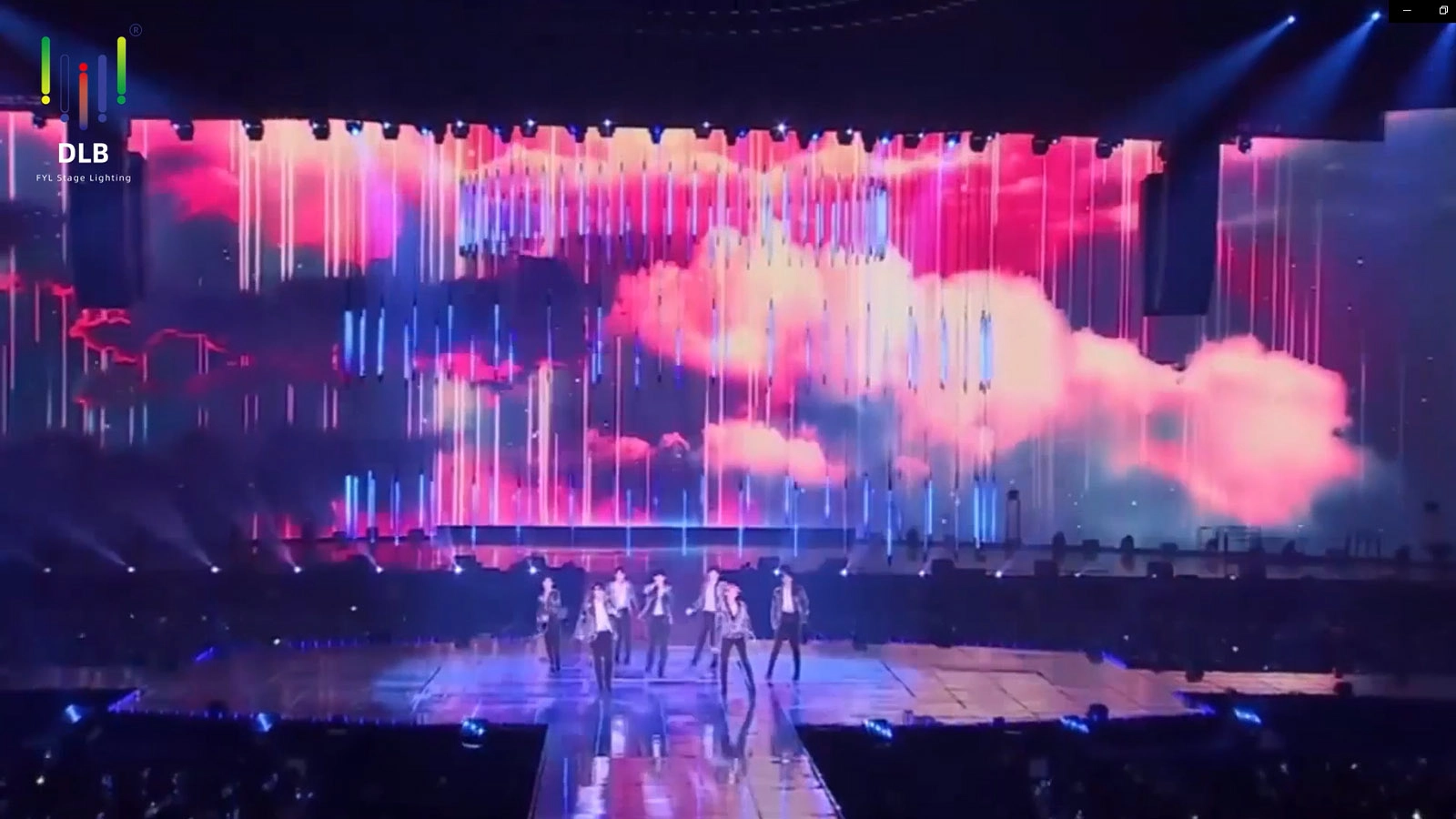
South Korea Seoul -Got7 concert-Dynamic Bar
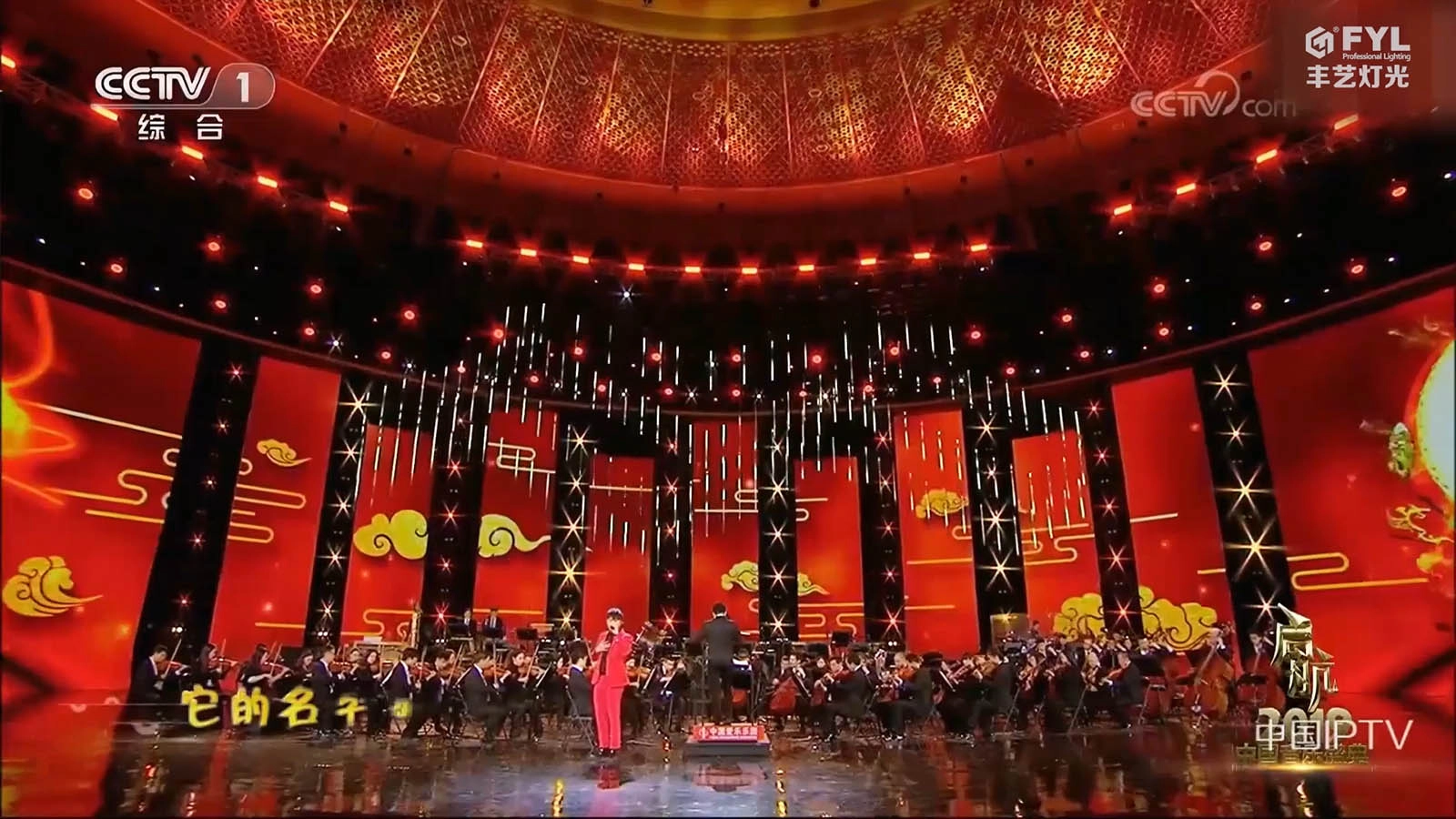
Beijing China-CCTV 2019 China Music Awards-Dynamic Bar
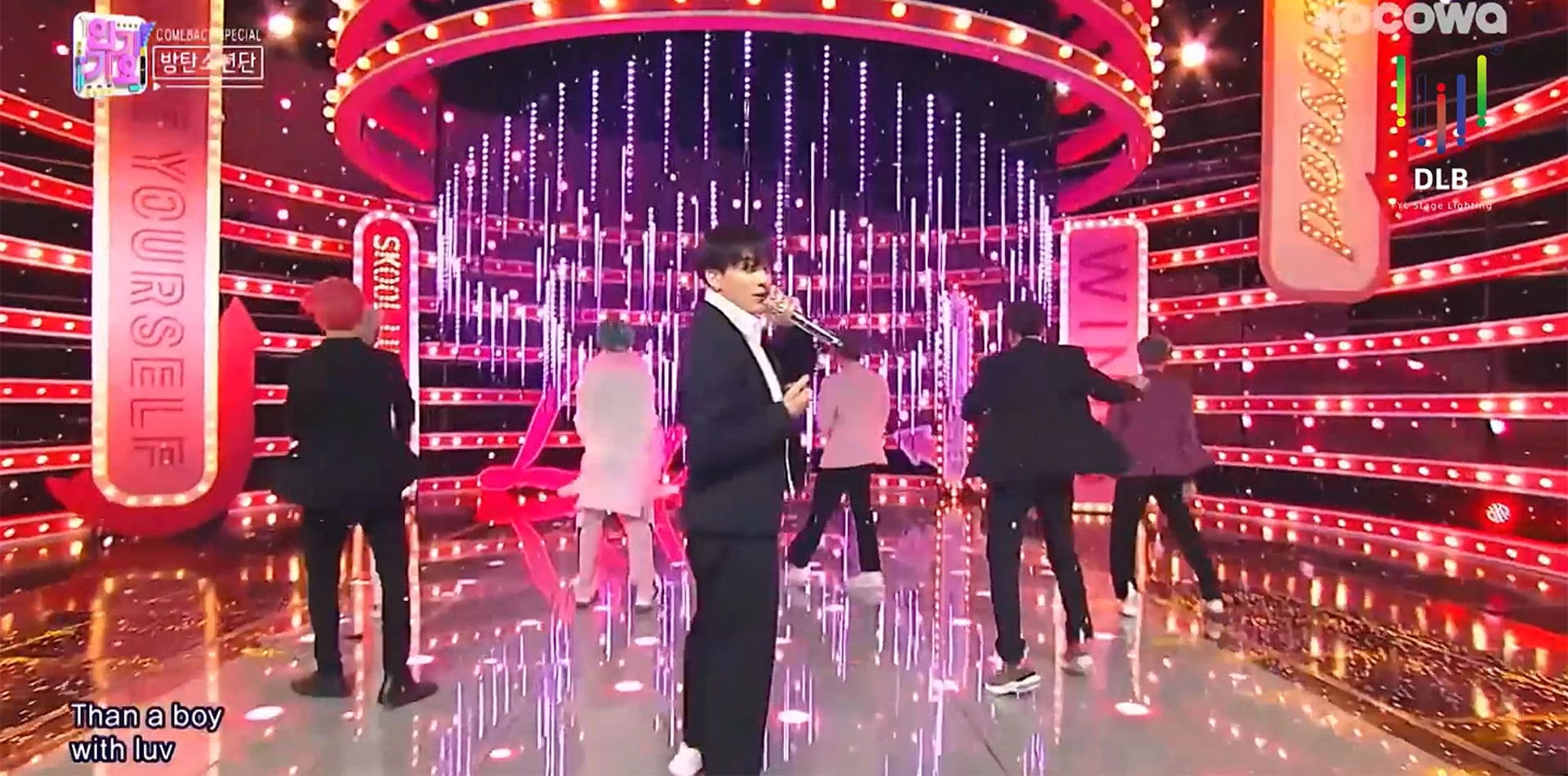
South Korea-BTS's "Boy with Luv" performance-Dynamic Bars
Prdoucts Categories
FAQ
Products
The lamp does not light up. What should I check?
Troubleshoot in 4 steps:
1. Power Supply: Confirm the input voltage matches AC 200V~240V/50~60Hz; check if the power cable is securely connected and the switch is on.
2. Cooling Period: Ensure the fixture has cooled for 20 minutes after previous use (mandatory cooling to prevent overheat damage).
3. DMX Signal: If in DMX mode, verify the controller is sending "Shutter On" (CH6: 252-255) and "Dimming" (CH7: 100-255) signals.
4. Internal Wiring: If above checks pass, contact after-sales to inspect internal connections (e.g., lamp holder, driver board) for loose or burned components.
What is the XY-axis rotation angle of moving head lights? Are there any load-bearing requirements for installation?
For conventional moving head lights, the X-axis rotation ranges from 0° to 540°, and the Y-axis rotation ranges from 0° to 205° (some models support 16-bit fine adjustment). Installation requirements: For hoisting, the load-bearing capacity of the support frame must be ≥ 1.5 times the weight of the light (e.g., a 10kg moving head light requires a support frame with ≥ 15kg load-bearing capacity). Additionally, a safety rope must be used to pass through the light's handle. When installing at an angle or upside down, pedestrians are prohibited from passing below, and the hook screws and rope wear must be checked regularly.
What light control modes does the 7-lamp 60W wash light support? Is it compatible with DMX consoles of other brands?
It supports three control modes: DMX512, sound activation, and auto-run. The channels can be selected as 23CH/35CH/51CH (the 51CH mode enables independent R/G/B/W dimming for each individual lamp bead). It complies with the international universal DMX512 protocol and is compatible with mainstream brand consoles (e.g., MA, Good, Pearl consoles). When connecting, it is recommended to connect a 120Ω terminator to the output end of the last light to reduce signal interference.
Logistics Services
How is the lamp packaging protected? What if damage occurs during transportation?
The packaging adopts three-layer protection: shockproof foam + hard carton + wooden box (for large equipment such as elevating lights). Key parts of the lamp (e.g., moving head light lens, elevating structure) are individually wrapped with EPE foam. If damage occurs during transportation, the customer must take photos (of the damaged packaging and the faulty part of the product) and send them to the logistics department within 24 hours of receipt. We will give priority to reissuing new products (or arranging repairs) and hold the logistics company responsible. The customer does not need to bear additional costs.
Want to learn more about the latest updates?
Have questions or ready to illuminate your project? Reach out to our expert team today.
Rest assured that your privacy is important to us, and all information provided will be handled with the utmost confidentiality.
By clicking "Send your message," I agree to your processing my personal data.
To see how to withdraw your consent, how to control your personal data, and how we process it, please see our Privacy Policy and Terms of Use.

FENG-YI has been continuously innovating and has grown into a Kinetic Lights Manufacturer and solution provider with unique advantages.
Contact
+86 181 2785 5301
Address
Building 5, No. 34, Fuyuan Road, Jinghu IndustrialZone, Xinhua Town, Huadu District, Guangzhou, China.
© 2025 FENG-YI. All Rights Reserved.
Facebook
Instagram
YouTube
TikTok