










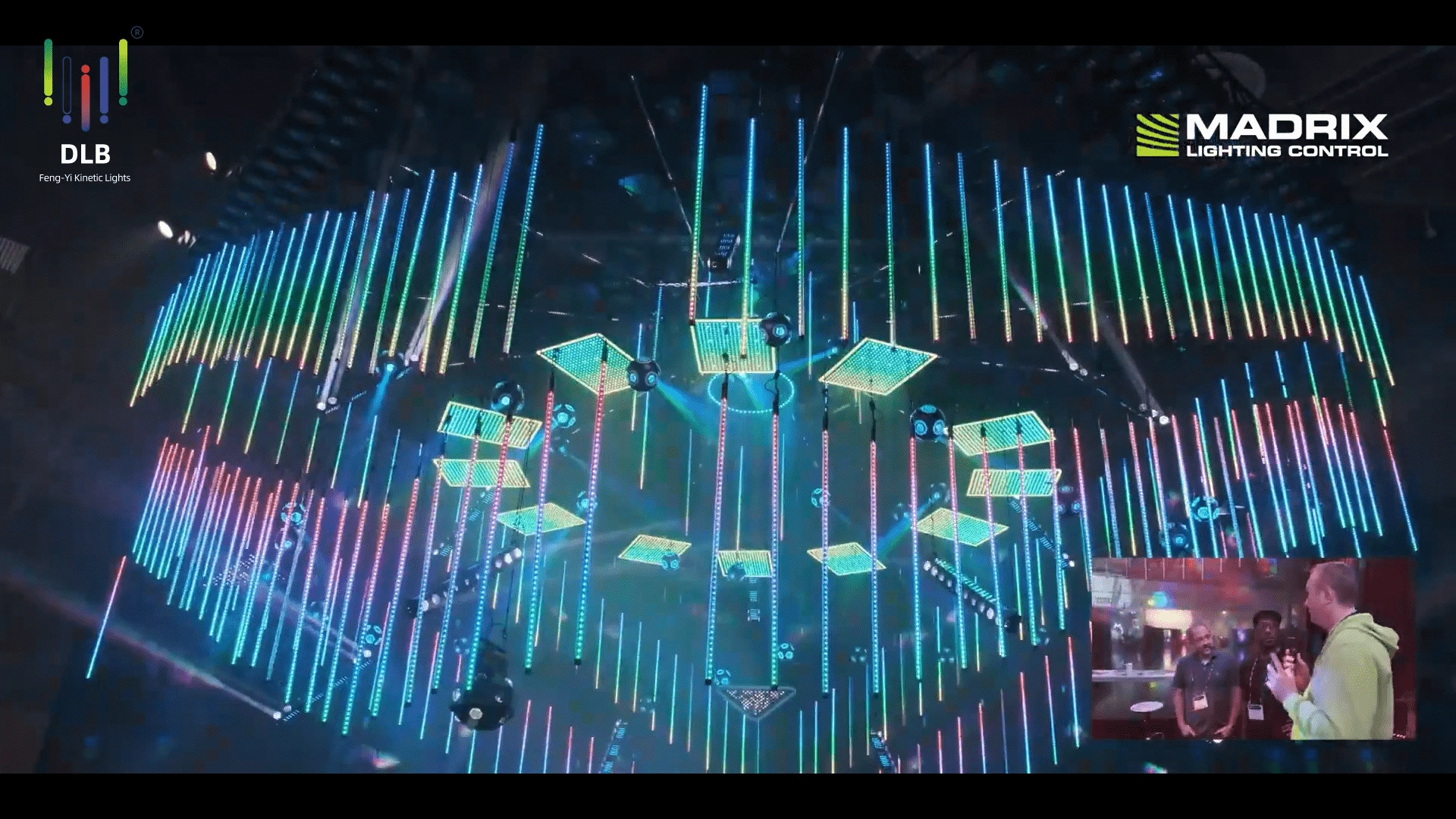
Key Factors to Consider When Choosing Kinetic Lights for Your Project
Discover FENG-YI’s expert guide on Key Factors to Consider When Choosing Kinetic Lights for Your Project. Learn how to select the perfect kinetic lights to enhance design, efficiency, and innovation in your projects. Optimize your lighting solutions with FENG-YI’s trusted expertise.
- What Are Kinetic Lights and How Do They Work?
- The Core Components of a Kinetic Light System
- How Winches, Motors, and LEDs Work Together
- Common Motion Patterns and Visual Effects
- Key Factors to Consider When Choosing Kinetic Lights for Your Project
- Evaluating Project Goals and Creative Requirements
- Matching System Specifications to Spatial Conditions
- Understanding Motion Performance and Precision Requirements
- Spatial and Structural Requirements for Kinetic Lighting Installations
- Ceiling Height, Travel Distance, and Load Capacity
- Power Supply and Rigging Infrastructure
- Safety Compliance and Redundancy Systems
- Control System Compatibility and Integration Needs
- DMX, Art-Net, sACN, and Custom Protocols Explained
- Real-Time Control vs. Pre-Programmed Sequences
- Integrating Kinetic Lights with Stage or Architectural Systems
- LED Performance and Visual Quality Considerations
- Brightness Output, Beam Angle, and Color Rendering
- Dimming Curves, Pixel Control, and Color Consistency
- Choosing the Right LED Type for Your Application
- Maintenance, Durability, and Long-Term Reliability
- Winch Maintenance and Cable Management Requirements
- LED Lifespan and Environmental Considerations
- Remote Monitoring and System Health Diagnostics
- Industry-Specific Recommendations for Different Applications
- Stage Designers and Live Events
- Architectural Lighting and Commercial Spaces
- Museums, Art Installations, and Immersive Environments
- Budget Planning and Choosing the Right Supplier
- Cost Factors That Influence Kinetic Light Projects
- Comparing Off-the-Shelf vs. Custom Kinetic Solutions
- What to Look for in a Reliable Kinetic Light Manufacturer
- Conclusion: Making the Right Choice for Your Kinetic Lighting Project
- FAQs
What Are Kinetic Lights and How Do They Work?
When deciding to use kinetic lights in any project, one always needs to know the functionality of these systems and the factors that make them fundamentally different compared to traditional lighting. Kinetic lighting, in contrast to light fixtures, allows motion, programmable control, and LED lighting to be combined into dynamic visual effects that react to space, time, music or audience interaction. This premise assists designers in deciding on how to undertake small-scale and large-scale installations.
The Core Components of a Kinetic Light System
An example of a modern kinetic system of lights incorporates a number of interdependent devices: precision winching, lightweight suspended lighting (LED balls or tubes), control processors, and LED modules. Wenches are used to allow vertical movement; visual output is made possible by LEDs and every movement is synchronized with the lighting behavior by the controller. The high-quality system consists of the encoder of motion accuracy, safety brakes and data cables, which provide stability of signal transmission even under high-duty conditions.
How Winches, Motors, and LEDs Work Together
Kinetic lighting installation uses a motor to drive the winch drum and either push or pull the suspension line. The height of each of the fixtures, the speed, and its direction are constantly observed. The LED module is adjusted to change the brightness, color or pixel effects as the fixture moves. The combination of these roles makes the choreography of the architecture smooth -essential with architectural installations, live performance or programmable kinetic lights, which have to be performed precisely and in an identical manner.
Common Motion Patterns and Visual Effects
Waves, spirals, cascades, lifting sequences and individually programmed paths are some of the most common motion patterns. The visual effects are soft ambient glows and high-intensity pixel chases. These patterns change the way of space perception as the formerly inanimate ceiling becomes dynamic, interactive, and immersive. It is this synergy that has allowed kinetic lights used in architecture, stage and commercial projects to remain a constantly popular product.
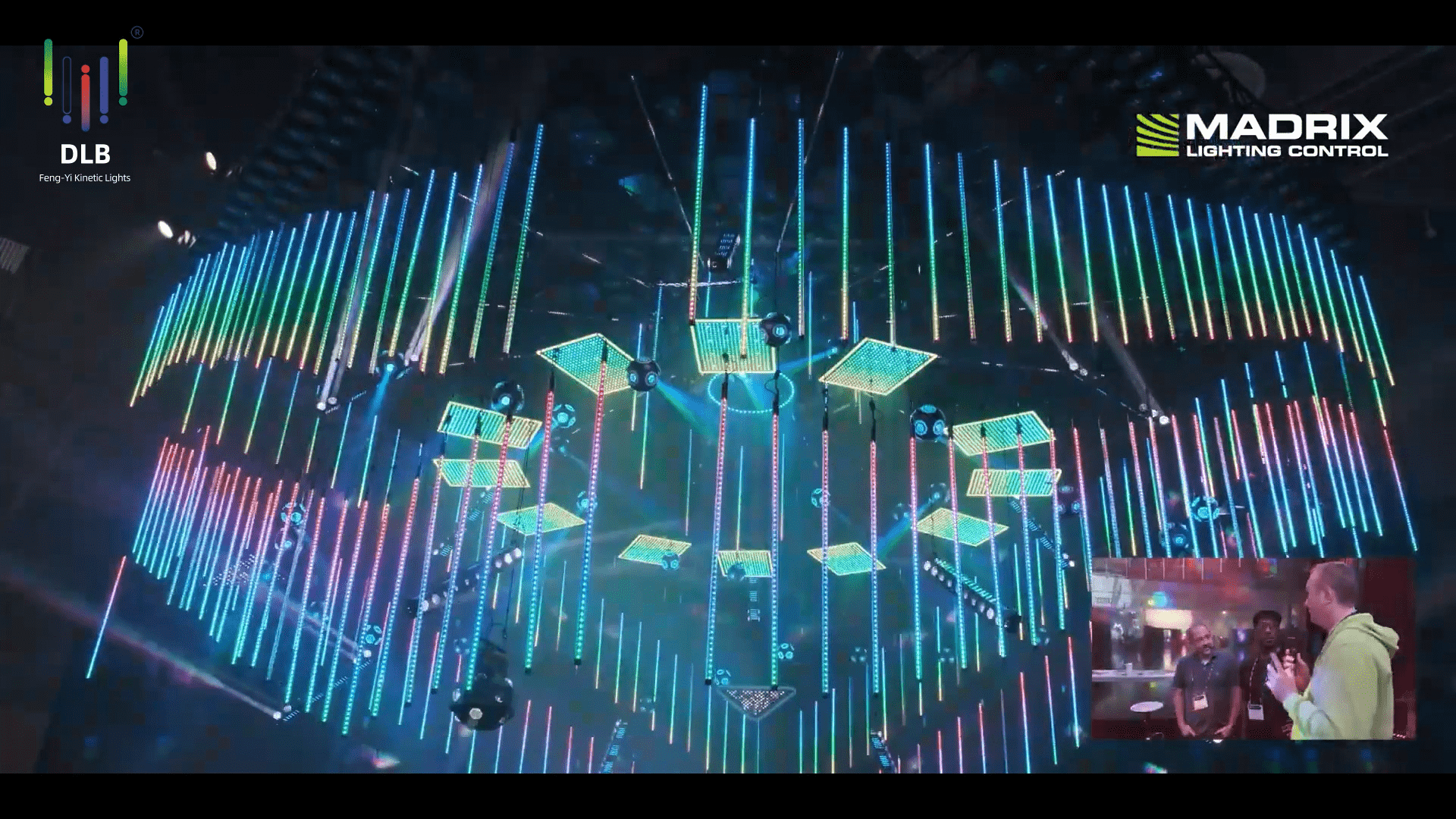
Key Factors to Consider When Choosing Kinetic Lights for Your Project
The choice of the appropriate kinetic lighting solution is not only about picking the LED lighting but also about the interpretation of creative goals, space size, and system functionality. The evaluation of these factors can be done carefully to make sure that the intended aesthetic and functional effects are achieved by the installation.
Evaluating Project Goals and Creative Requirements
Begin by determining what the installation is all about. Is it an immersive work of art that you are designing? A dynamic stage setup? Or a commercial feature? Goals define the type of the fittings, distance of travelling, brightness of the LED, pixel capabilities, and complexity in choreography. In theatrical productions or in kinetic lights on stage, designers usually emphasize high-speed motion and real-time control, whereas in architectural kinetic lighting, designers place an emphasis on slow gentle motions and long life cycles.
Matching System Specifications to Spatial Conditions
Each facility possesses its own restrictions, such as ceiling height, truss construction, rigging weight capability and installable points. These determine the choice of winch and optimum distance traveled. As an illustration case, a tall atrium can bear long-motion kinetic LED systems but a retail area may need to have compact winches and shorter drops. Even finding space early prevents the conflict during the installation.
Understanding Motion Performance and Precision Requirements
They need varying degrees of accuracy depending on their application. Stage performances can be based on fast sweeps, and commercial settings of brands are oriented to slow-motion grace and harmony. Systems that have high-resolution encoders generate less jagged transitions and less jitter—particularly needed when producing architectural kinetic lighting effects.
Spatial and Structural Requirements for Kinetic Lighting Installations
Since kinetic installations require movement of objects and position them in the air, then it is essential to know structural and environmental needs. Planning ensures safety in the long run and stability of the performance.
Ceiling Height, Travel Distance, and Load Capacity
Structural engineers have to consider point load allowable, ceiling load rating and rigging safety considerations. The choice of winch is based on the weight of the fixtures, the maximum travel distance, and motion behavior. High installations might need to be distributed loads in several trusses or in several mounting frames.
Power Supply and Rigging Infrastructure
Power distribution is reliable, which guarantees uniform brightness and motor performance. Designers choose the right cable courses, DMX or data lines, and isolation transformers where necessary. Safe kinetic installations are based on proper rigging infrastructure, rated carabiners, certified mounting hardware, and redundant suspension.
Safety Compliance and Redundancy Systems
Many of the compliance requirements comprise dual-brake systems, load sensors, fault-sensing sensors, and safety-qualified cables. These systems secure the installation as well as the audience. There are redundant safety measures, particularly in such places as airports and exhibition halls and hospitality facilities.
Control System Compatibility and Integration Needs
With kinetic lighting systems nowadays, it is necessary to have robust control protocols on their implementation in order to guarantee consistency between lighting and motion. The control format is well understood and consequently is compatible with existing equipment.
DMX, Art-Net, sACN, and Custom Protocols Explained
Such standard protocols as DMX, Art-Net, and sACN enable designers to map motion and LED behavior in a single console. DMX kinetic lights have been used to provide reliable aspects to a small-to-medium scale project and Art-Net and sACN have been used to support multiple channels needed in large, pixel-intensive applications.
Real-Time Control vs. Pre-Programmed Sequences
Live shows are the most important when it comes to real-time control, as cues have to be in sync with music or movement or with the performer. The advantages of pre-programmed sequences in architectural and hospitality settings include that they operate on a schedule with very little supervision.
Integrating Kinetic Lights with Stage or Architectural Systems
Lighting consoles, media servers, timecode systems and building automation systems can be connected to kinetic systems. This integrated ecosystem enables the kinetic lighting technology to be compatible with projections, lasers and environmental lighting.
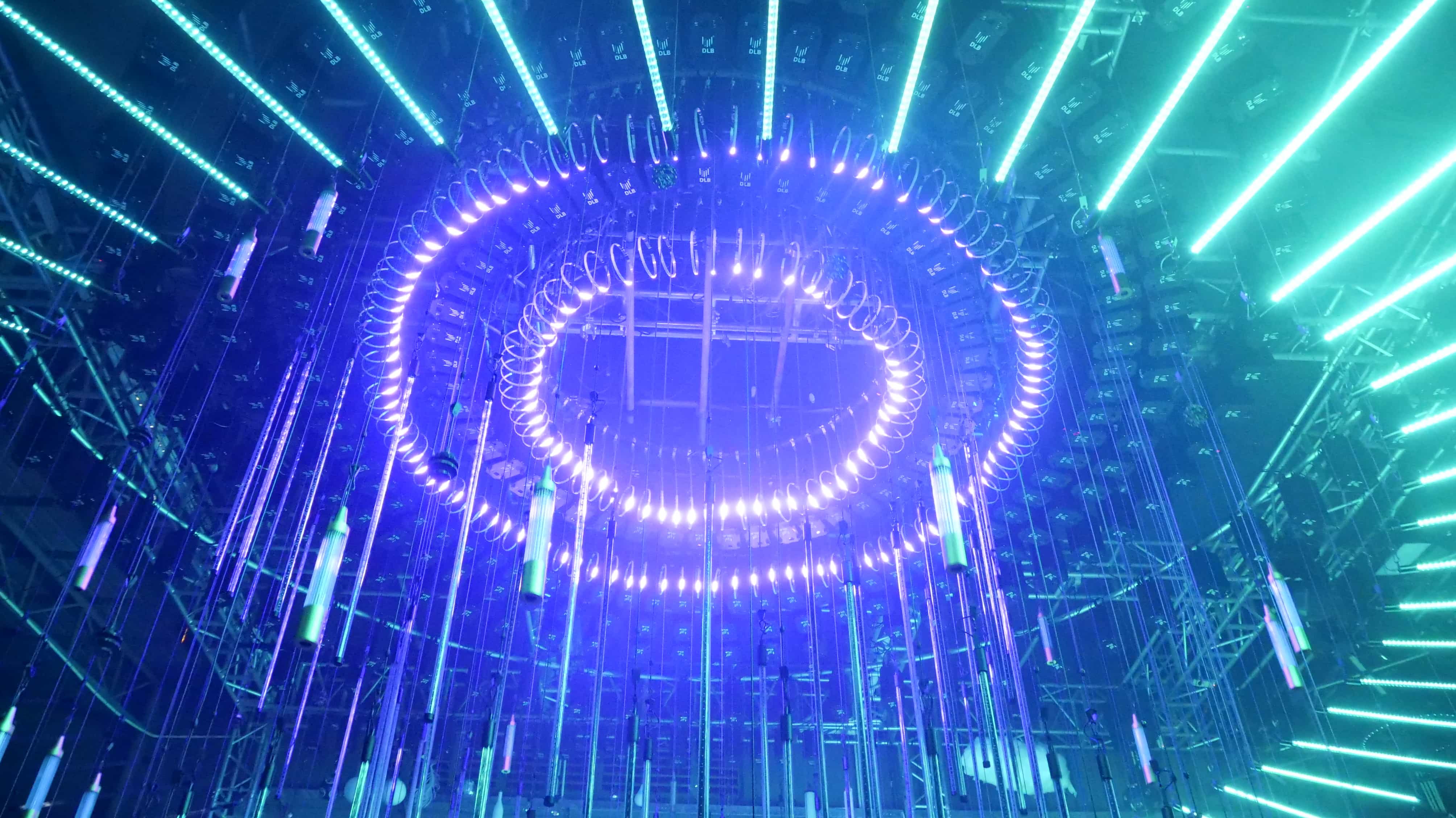
LED Performance and Visual Quality Considerations
The quality of LEDs has a direct influence on the visual impact. The knowledge of LED specifications will help the appearance of the installation to be the same and professional.
Brightness Output, Beam Angle, and Color Rendering
The brightness is dependent on the wattage of LEDs and optical design. The angle of the beam dictates the light distribution, as narrow beams are applicable on a stage, and wide beams achieve better spaces in buildings. Through High CRI, color is represented in its real-life sense.
Dimming Curves, Pixel Control, and Color Consistency
Nuanced transitions can be produced by smooth dimming and pixel-level control, which take the place of designers who would have previously needed to apply these techniques in a manual fashion. Regulated temperature of color and calibrated LEDs avoid visual variance of large installations.
Choosing the Right LED Type for Your Application
Various fixtures, such as LED balls in kinetic form, LED tubes or specialized shapes, are intended to accomplish different functions. The criterion of selection is based on the narrative, space plan and the distance of the viewer.
Maintenance, Durability, and Long-Term Reliability
Long-term dependability is mostly neglected but necessary when installing permanently or in a commercial setting.
Winch Maintenance and Cable Management Requirements
Regular checkups are done to make sure that cables are not twisted, the motors are well lubricated and tension is kept within reasonable limits. The kinetic winch systems of high quality usually need less frequent services.
LED Lifespan and Environmental Considerations
The lifespan of an LED is determined by heat dissipation, quality of drivers, and operating condition. Humidity, temperature and amount of dust should be considered—particularly inside or in semi-outdoor areas.
Remote Monitoring and System Health Diagnostics
Developed systems will have remote dashboards that display motor temperature, cable status, and error logs. This saves on the time spent offline and enhances security of highly attended premises.
Industry-Specific Recommendations for Different Applications
Kinetic lights are applied in each industry differently. These needs are used to understand the appropriate systems to be selected.
Stage Designers and Live Events
Stage artists require rapidity, accuracy and real-time functionality. The kinetic lights can be programmed and synchronized with the performers, lasers and music to produce dramatic choreography.
Architectural Lighting and Commercial Spaces
The architectural works are aimed at beauty and durability. Spatial perception is often redefined with the help of kinetic lighting design and such materials as glass, steel, or marble.
Museums, Art Installations, and Immersive Environments
Museums and galleries are using the motion to produce an emotional response. The movements that make suspended fixtures sculptural have to be soft and slow.
Budget Planning and Choosing the Right Supplier
Budgeting is done to make sure that the project is completed as expected without any reduction in performance or safety.
Cost Factors That Influence Kinetic Light Projects
The important cost drivers are winch specifications, the type of LED, the control systems, installation labor and the safety certification. Complicated movements, long ways of traveling and hand-crafted finishes amplify the total investment.
Comparing Off-the-Shelf vs. Custom Kinetic Solutions
Off-the-shelf systems are useful in those cases where deploying such events will take less time. Individual kinetic lights can be used to have custom shapes, custom pixel mapping, and custom movement paths for high-end installations.
What to Look for in a Reliable Kinetic Light Manufacturer
A reputable supplier will come with paper trails, test motion, certification of safety, long-term services, and the capability to scale production in case of large international projects. This is especially necessary for clients who are interested in the service of a kinetic lighting supplier or wholesale kinetic lights.
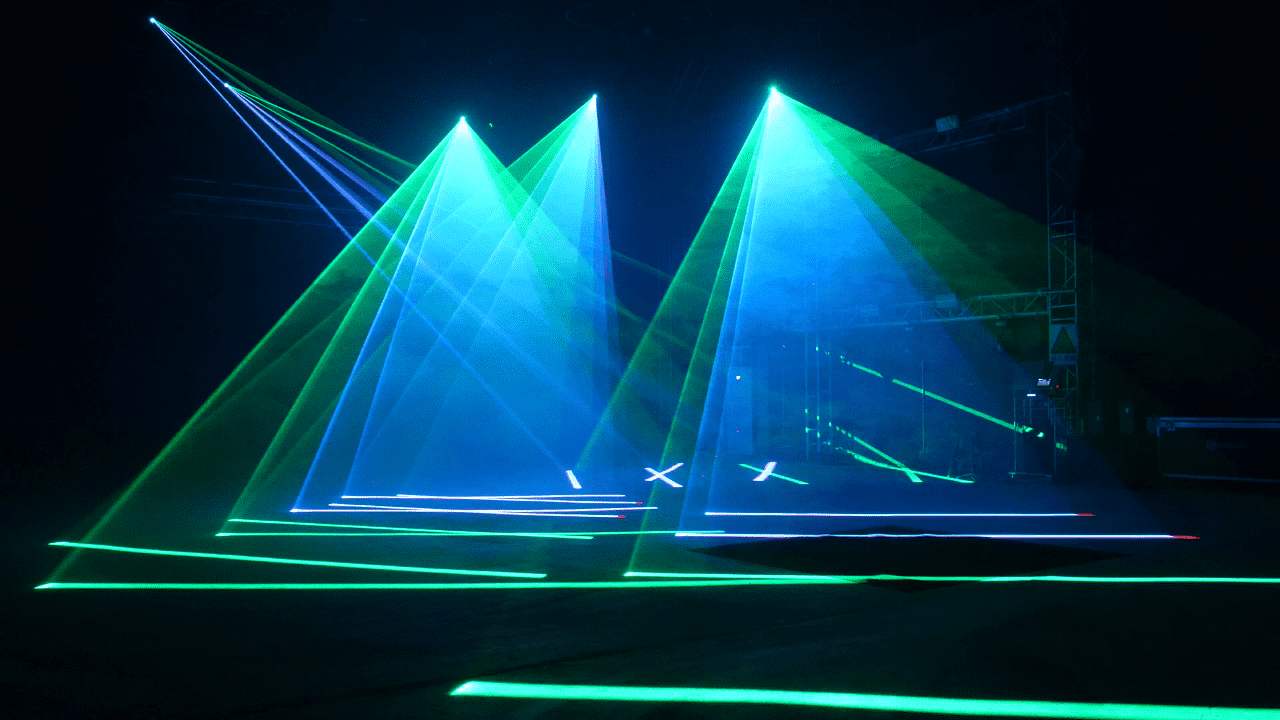
Conclusion: Making the Right Choice for Your Kinetic Lighting Project
The decision to use kinetic lights should consider the structure of the system, motion, the quality of LEDs, control protocols, and long-term services. With knowledge of these factors, the designers and project owners can make decisions that are informed and that fit their creative vision and business requirements.
In need of a reliable partner, FENG-YI would be an excellent option due to their engineering accuracy, custom kinetic solutions and high global manufacturing capacity and this makes it the best choice for any person who requires a reliable kinetic lights manufacturer or is on a plan to install complex kinetic structures.
FAQs
What are kinetic lights used for?
Stages, architectural spaces, exhibitions, hotels, art installations and immersive environments use kinetic lights. Their LED output and programmable movement make them suitable for the creation of moving environments, plot features and high-impact visual effects.
Are kinetic light systems safe for permanent installations?
Yes, when designed correctly. Media quality systems have dual brakes, load sensors, encoder feedback, and certified rigging hardware. Normal maintenance and adherence to the safety standards make kinetic lighting installations stable and functional throughout the long period of operation.
How much space is needed for a kinetic light installation?
This is based on the height of ceilings and the distance that is required. Atriums, theatres or event halls can require 6-15 meters or more of vertical movement, whereas small retail spaces might only need 1-2 meters of vertical movement. Before equipment is chosen, it is necessary to assess its load capacity and structural mounting points.
Can kinetic lights sync with music or video content?
Yes. The majority of the systems can be integrated with DMX, Art-Net, sACN or media servers, and thus can be synchronized to audio, video, lasers or other visual effects in real time. That is why the kinetic lighting technology has been most popular in concerts, brand activations, and immersive digital shows.
Do kinetic lights require frequent maintenance?
Periodic inspections are not too strict but are suggested. The common jobs are cable checks, winch greasing, encoder checking, and LED module checking. Modernized systems that have remote diagnostics minimize the effect of manual maintenance.
What affects the cost of a kinetic lighting project?
The major cost variables are the winch specifications, type of LED, quantity of units, complexity of motion programming, labor used in installation, and safety certification. Homebuilt kinetic lights or projects that have far travel paths are often more expensive than smaller systems or ones that can be purchased off the shelf.
How do I choose the right kinetic lighting supplier?
Find a supplier who has effective engineering quality, has consistent motor technology, has safe systems, has good LED functioning, and can assist in installation and coding. The most reliable are the manufacturers who provide system testing and extensive service plans.
Recommended for you
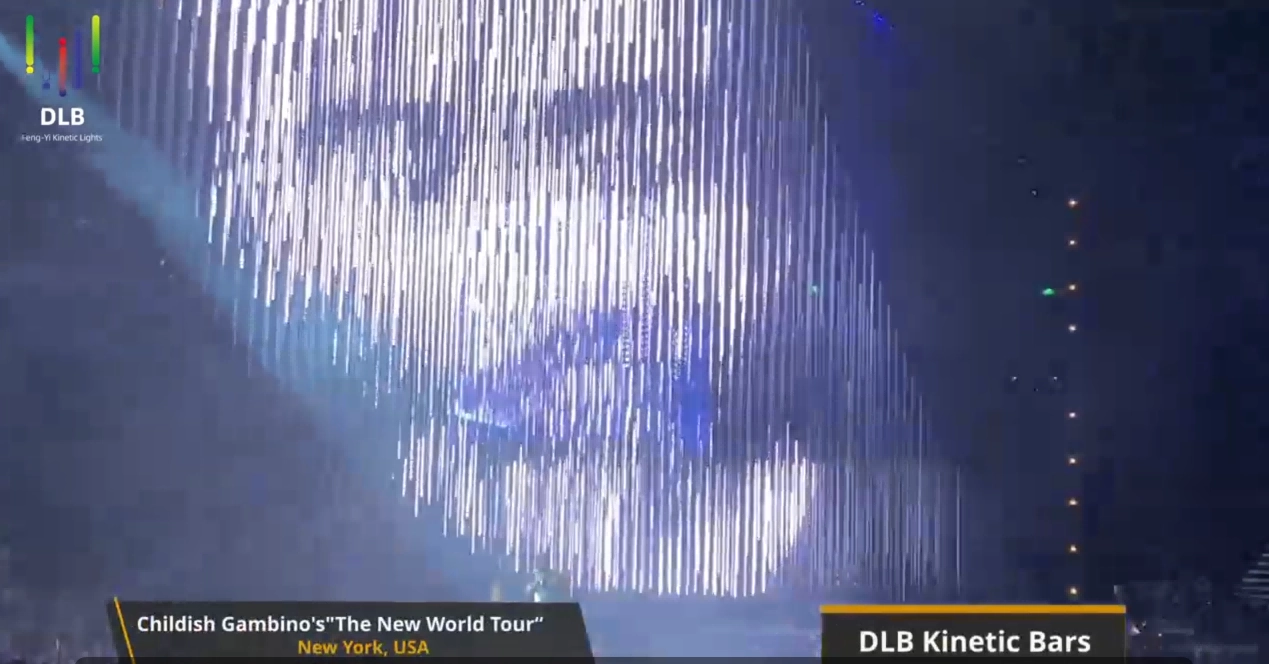
US New York -A Lighting Revolution at the Childish Gambino’s The New Would Tour-Dynamic Bar
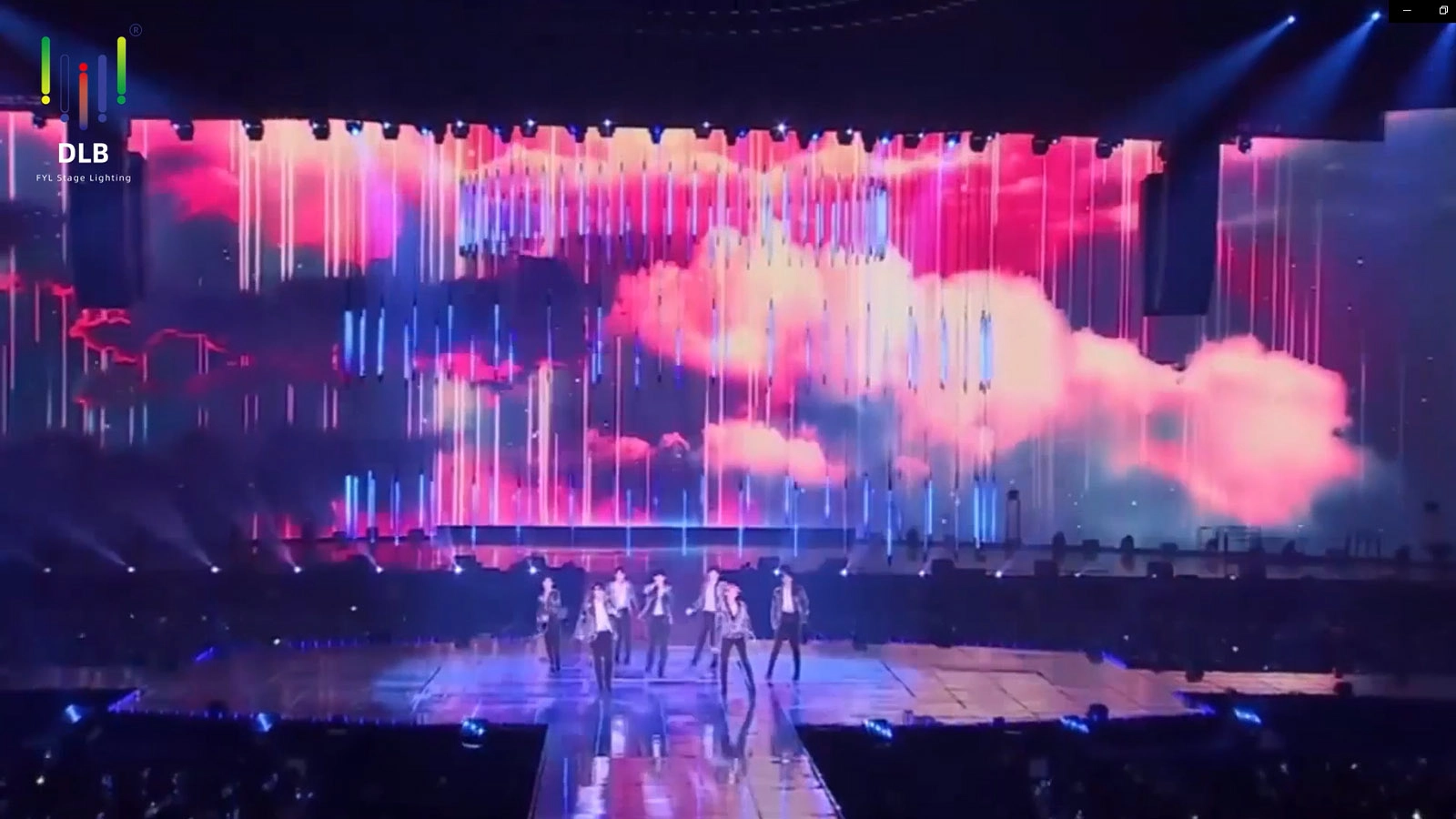
South Korea Seoul -Got7 concert-Dynamic Bar
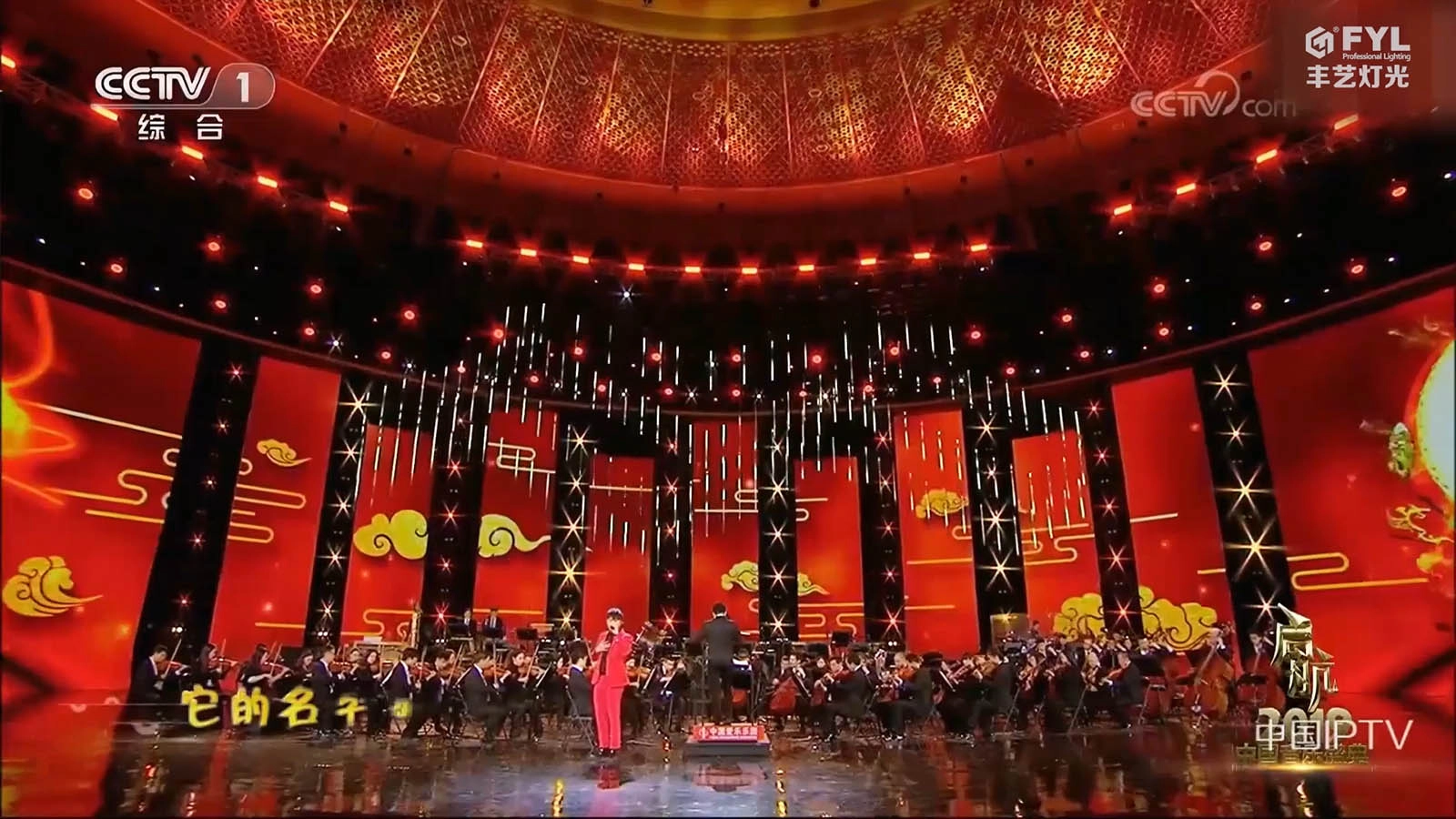
Beijing China-CCTV 2019 China Music Awards-Dynamic Bar
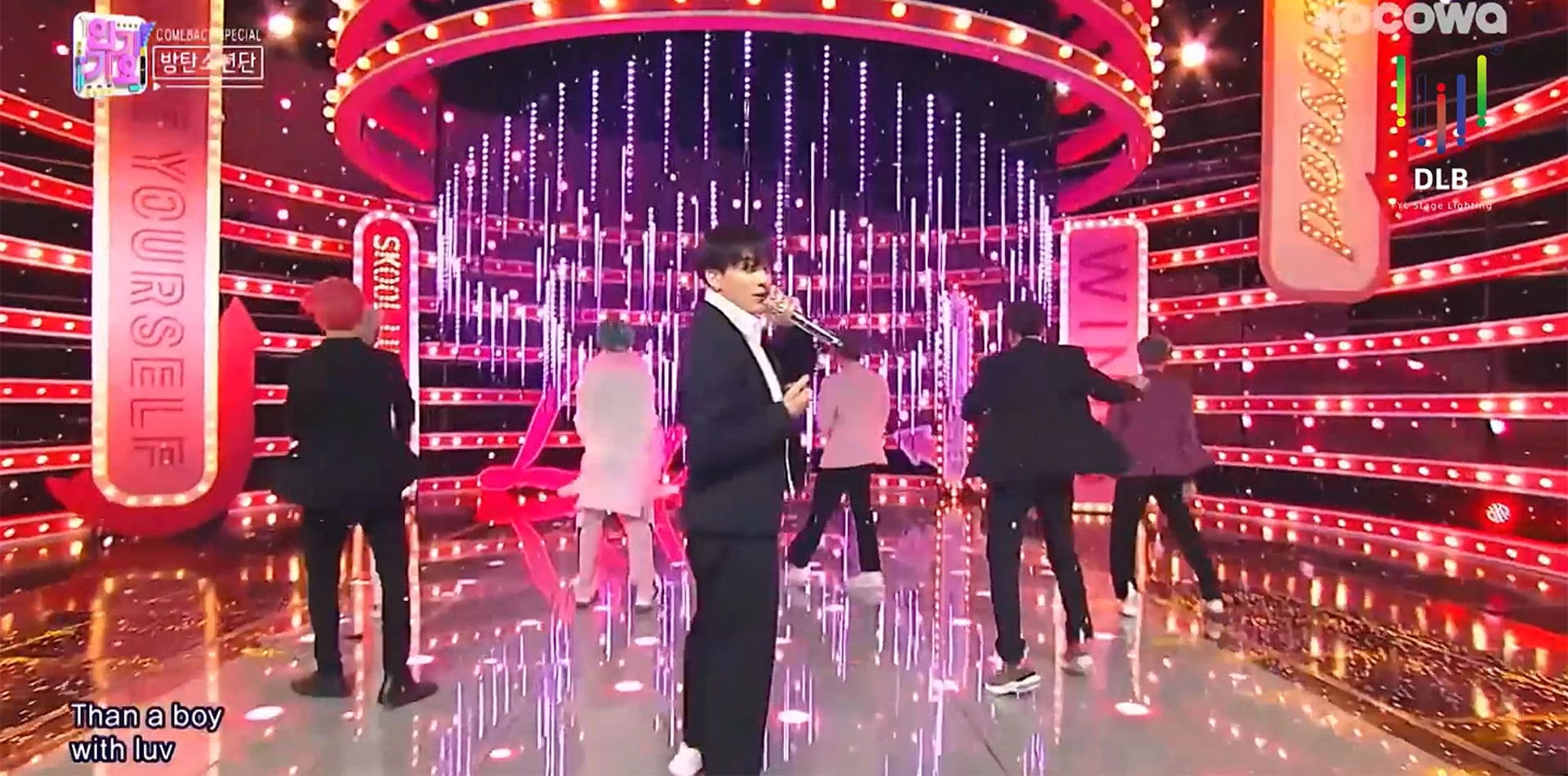
South Korea-BTS's "Boy with Luv" performance-Dynamic Bars
Prdoucts Categories
FAQ
Customization/OEM Services
Do customized products enjoy the same warranty service as standard products?
Yes, customized products have the same warranty policy as standard products (under non-human damage, the whole machine is warranted for 1 year, and LED lamp beads are warranted for 2 years). For faults caused by customized functions (e.g., adaptation issues of the special light control protocol specified by the customer), the after-sales team will give priority to targeted troubleshooting to ensure no impact on use.
What customization services can you provide? For example, adjustments to appearance, functions, or parameters.
Multi-dimensional customization is supported:
▪ Appearance customization: Lamp housing colors (e.g., in addition to black and silver, exclusive brand colors can be customized), and laser engraving of the brand logo on the body.
▪ Function customization: Adjustment of channel modes (e.g., adding exclusive light control channels), adaptation of light control protocols (e.g., compatibility with the customer's own central control system), and special scenario functions (e.g., increasing the waterproof level of outdoor models to IP65).
▪ Parameter customization: Extended stroke of elevating lights (default 0-5 meters, customizable up to 10 meters), adjustment of the beam angle of conventional lights (e.g., custom 15° narrow beam angle for PAR lights).
Products
What is the service life of LED lamp beads? Is professional personnel required for later replacement?
All our lights adopt imported LED chips, with a service life of ≥ 50,000 hours under normal use (8 hours of daily use can last for 17 years). The replacement of lamp beads requires professional operation—due to the involvement of wire soldering and heat dissipation adaptation, unprofessional operation may cause short circuits or uneven light effects. You can contact the after-sales team for on-site replacement or repair-by-mail services.
Logistics Services
Can urgent orders (e.g., customers need the lights the next day) be arranged for expedited shipment?
Expedited shipment is supported for urgent orders: For standard models (e.g., conventional PAR lights, 7-lamp 60W wash lights), if stock is sufficient, SF Express/JD Air Freight can be arranged on the same day (freight is borne by the customer; e.g., the air freight for 10 conventional lights is approximately 200-300 RMB), with next-day delivery. For standard models out of stock, expedited production can be arranged (shipment within 3 days), and an expedited fee (10%-15% of the order amount) will be charged. Specific details to be confirmed with the account manager.
Want to learn more about the latest updates?
Have questions or ready to illuminate your project? Reach out to our expert team today.
Rest assured that your privacy is important to us, and all information provided will be handled with the utmost confidentiality.
By clicking "Send your message," I agree to your processing my personal data.
To see how to withdraw your consent, how to control your personal data, and how we process it, please see our Privacy Policy and Terms of Use.

FENG-YI has been continuously innovating and has grown into a Kinetic Lights Manufacturer and solution provider with unique advantages.
Contact
+86 181 2785 5301
Address
Building 5, No. 34, Fuyuan Road, Jinghu IndustrialZone, Xinhua Town, Huadu District, Guangzhou, China.
© 2025 FENG-YI. All Rights Reserved.
Facebook
Instagram
YouTube
TikTok