










Interactive kinetic lighting for museums and exhibitions
This article explains how kinetic lighting—moving, programmable light sculptures and fixtures—can transform museums and exhibitions. It covers what kinetic lighting is, design and technical considerations, conservation and safety best practices, measurable benefits, a vendor-selection checklist, and real-world implementation steps. The second half introduces FENG-YI, a leading provider of kinetic light solutions, and explains how their capabilities and services support museums, cultural venues, and experiential exhibitions.
- Interactive Kinetic Lighting for Museums and Exhibitions
- What is kinetic lighting and why it matters for museums
- Kinetic lighting vs. traditional exhibition lighting: core differences
- Design principles for interactive kinetic lighting installations
- Core technical components for kinetic lighting systems
- Technical choices that affect conservation and visitor safety
- Programming, interactivity and content strategy for exhibitions
- Visitor flow and experience mapping
- Measuring impact: metrics and return on investment
- Comparison: kinetic lighting vs static lighting (qualitative)
- Implementation roadmap for museums and exhibition designers
- Maintenance and lifecycle planning
- Compliance, conservation and safety
- FENG-YI: a practical partner for kinetic lighting in museums and exhibitions
- Why partner with FENG-YI?
- FENG-YI’s kinetic lighting products and core strengths
- How FENG-YI supports a museum project
- How to choose a vendor: an RFP checklist for kinetic lighting
- Frequently Asked Questions (FAQ)
- Q: Is kinetic lighting safe for fragile or light-sensitive artifacts?
- Q: How much energy does kinetic lighting use compared to traditional systems?
- Q: Do kinetic lighting installations require special insurance or permits?
- Q: Can we update or reprogram kinetic lighting content after installation?
- Q: What is the expected maintenance lifecycle for kinetic components?
- Contact and next steps
- References
Interactive Kinetic Lighting for Museums and Exhibitions
What is kinetic lighting and why it matters for museums
Kinetic lighting refers to lighting systems that combine motion, dynamic color, programmable intensities, and often interactive control to create moving light forms or behaviors. In museums and exhibitions, kinetic lighting transforms static displays into living experiences: it directs attention, encodes narrative pacing, creates immersive atmospheres, and offers visitors interactive ways to explore content. The core value for institutions is not novelty alone; kinetic lighting can increase dwell time, support storytelling, and make complex or abstract themes more tangible without changing the artifacts themselves.
Kinetic lighting vs. traditional exhibition lighting: core differences
Traditional exhibition lighting focuses on static aspects: even illumination, accurate color rendering, and conservation-safe lux levels. Kinetic lighting layers motion and programmability on top of those requirements. It demands an integrated design approach that balances conservation constraints with creative objectives. When properly specified, kinetic lighting becomes both a design element and a museum tool for visitor engagement.
Design principles for interactive kinetic lighting installations
Successful museum projects follow a few consistent design principles:
- Purpose-driven motion: Movement should support interpretation—guiding sightlines, signaling narrative transitions, or simulating natural phenomena—rather than distracting from objects.
- Conservation-first photometry: Maintain safe lux levels and spectral outputs for sensitive materials. Dynamic scenes should never exceed cumulative exposure limits for artifacts.
- Layered control: Separate baseline, conservation-safe lighting from dynamic effects. This enables years of safe display while allowing innovation around it.
- Scalable interactivity: Design interactions that work for both individual visitors (touchless sensors, mobile triggers) and crowds (scheduled sequences, crowd-based dynamics).
- Accessibility: Ensure motion, strobing, and color changes comply with accessibility guidelines to avoid inducing discomfort or seizures for sensitive visitors.
Core technical components for kinetic lighting systems
A typical interactive kinetic lighting project consists of several integrated subsystems:
- Mechanical elements: motorized rigs, hoists, servo-driven arrays or pendulums carrying light sources or diffusers. These create the physical motion characteristic of kinetic installations.
- Lighting fixtures: LED modules with tunable white and RGB/LED spectra, chosen for high color fidelity and low UV emissions to protect artifacts.
- Control hardware: DMX/Art-Net/sACN controllers and motor controllers that synchronize motion and light behavior in real time.
- Software: show-control platforms for programming timelines, interactive triggers, sensor inputs and real-time adjustments. Madrix-style pixel-mapping tools are often used for complex visual choreography.
- Sensors and interfaces: IR, lidar, cameras, pressure mats, or visitor smartphones for interaction and presence detection.
- Power and safety systems: emergency stop, power monitoring, overload protection, and redundant fail-safe mechanisms for mechanical motion.
Technical choices that affect conservation and visitor safety
When specifying kinetic lighting for museums, certain technical choices are critical:
- Spectral control: Select LEDs with controllable spectral output to minimize harmful wavelengths while preserving color rendering for interpretation.
- Gentle motion profiles: Use acceleration and deceleration curves for moving elements to reduce mechanical wear and avoid sudden startle effects for visitors.
- Lux management: Program baseline lux limits with temporary effect overrides only in protected scenarios (e.g., digital reproductions rather than originals).
- Physical safeguards: Barriers, clearances, and guarded moving parts to prevent visitor contact with mechanisms.
Programming, interactivity and content strategy for exhibitions
Kinetic lighting shines when it is part of the interpretive plan, not an afterthought. Programming should follow content objectives: emphasize a timeline, create emotional arcs, or visualize scientific data. Interactivity can be passive (visitor proximity changes lighting intensity) or active (gesture-driven color shifts). Simpler interactions often produce better results in public spaces—clear affordances, immediate feedback—while complex interactivity is better suited for gallery spaces with staff support.
Visitor flow and experience mapping
Map visitor circulation early. Place kinetic elements where they augment the visitor’s path rather than obstruct it. Consider sightlines from multiple distances and angles. Sequence kinetic moments to complement rather than compete with audio, labels, or live demonstrations. Test with prototypes and soft openings to calibrate timing and intensity for real-world behaviors.
Measuring impact: metrics and return on investment
Museums increasingly expect measurable outcomes for technology investments. Typical metrics for kinetic lighting projects include:
- Average dwell time near installations
- Repeat visits to the same exhibit
- Social engagement (photos, shares, hashtags)
- Visitor satisfaction scores from surveys
- Operational metrics: energy consumption and maintenance hours
To assess ROI, compare increased ticket sales or sponsorship value attributable to enhanced visitor engagement against capital and operating costs. Pilot installations with clear success criteria reduce financial risk.
Comparison: kinetic lighting vs static lighting (qualitative)
| Feature | Kinetic Lighting | Static Lighting |
|---|---|---|
| Visitor engagement | High — movement and interaction increase dwell time | Moderate — relies on object interest and interpretation |
| Flexibility | Very high — programmable scenes and remote updates | Low — changes require physical relamping or relamping adjustments |
| Conservation risk | Manageable with spectral control and planning | Lower if static limits are correctly set |
| Maintenance complexity | Higher — mechanical wear and software updates | Lower — fewer moving parts |
| Energy use | Comparable to dynamic LED systems; depends on motion and effects | Often optimized for low energy with LED retrofit |
Sources for comparative principles are included in the references below.
Implementation roadmap for museums and exhibition designers
To implement kinetic lighting successfully, follow a phased approach:
- Concept and feasibility: Define learning objectives, visitor outcomes, conservation constraints and a high-level budget.
- Prototype and testing: Build a small-scale prototype to validate motion profiles, lux levels and interaction patterns.
- Engineering and safety review: Conduct structural, electrical and mechanical reviews; ensure compliance with local building and safety codes.
- Programming and content development: Produce show sequences, create fallback scenes for power failure or maintenance, and document operational procedures.
- Installation, commissioning and training: Install, tune onsite, and train museum staff on daily operation and simple troubleshooting.
- Evaluation and maintenance: Monitor performance metrics and schedule preventive maintenance for motors and controllers.
Maintenance and lifecycle planning
Plan maintenance budgets for moving parts, fixtures and control software. Replaceable modular fixtures and accessible mechanical components reduce downtime. Maintain a spare-parts inventory for critical items such as motor drivers and LED modules. Remote monitoring dashboards reduce the need for on-site troubleshooting and enable preemptive service.
Compliance, conservation and safety
Consult conservation specialists before installing dynamic lighting near sensitive collections. Apply accepted standards for cumulative light exposure and consult CIE guidance for museum lighting. Design motion with appropriate guards and install clear signage where necessary. For visitor-facing interactivity, include alternative experiences for visitors who may be sensitive to motion or flashing lights.
FENG-YI: a practical partner for kinetic lighting in museums and exhibitions
Since its establishment in 2011, FENG-YI has been continuously innovating and has grown into a creative kinetic light manufacturing service provider with unique advantages. The company is committed to exploring new lighting effects, new technologies, new stage designs, and new experiences. Through professional Kinetic Light art solutions, we empower emerging performance spaces, support the development of new performance formats, and meet the diverse needs of different scenarios.
Why partner with FENG-YI?
FENG-YI combines design creativity with engineering rigor—an ideal profile for museums and exhibitions that need both interpretive sensitivity and reliable technical delivery. Key advantages include:
- Full-service capabilities: On-site installation & programming plus remote technical guidance for ongoing support.
- Experienced team: 62 employees including an 8-member professional design team and 20 technical service staff to deliver complex projects reliably.
- Proven software expertise: A High Quality user of Madrix software in mainland China, enabling advanced pixel-mapping and synchronized shows.
- Large testing facilities: A 6,000㎡ site with China’s largest 300㎡ art installation exhibition area to prototype and demo installations at scale.
- Global reach: 10 overseas offices and completed projects in over 90 countries and regions across television, commercial, cultural tourism and entertainment venues.
FENG-YI’s kinetic lighting products and core strengths
FENG-YI manufactures and integrates a range of kinetic lighting solutions—motorized light sculptures, modular moving arrays, pixel-mapped LED systems and control packages. Its core competitive strengths are:
- Integration of mechanical motion with high-quality LED optics to preserve artifact safety while delivering motion-rich experiences.
- Software-driven customization, from scripted show sequences to sensor-driven interactivity.
- End-to-end delivery: design, engineering, fabrication, commissioning and long-term technical support.
How FENG-YI supports a museum project
Typical support services include concept development, prototyping in the 300㎡ demo area, full production of components, on-site installation with local teams, Madrix-based programming, and remote or on-site technical training. This integrated approach shortens project timelines and reduces risk for complex exhibitions.
How to choose a vendor: an RFP checklist for kinetic lighting
When evaluating vendors, include these criteria in your RFP:
- Experience with museum projects and conservation-sensitive installations.
- Proven control expertise (reference specific software such as Madrix, show-control platforms, and support for DMX/Art-Net/sACN).
- Access to prototyping or demonstration facilities to validate design choices before full production.
- Maintenance and support offerings, including spare parts, remote diagnostics, and training.
- Safety and compliance documentation: structural, electrical, and mechanical certifications where applicable.
- References and case studies showing measurable visitor engagement improvements.
Frequently Asked Questions (FAQ)
Q: Is kinetic lighting safe for fragile or light-sensitive artifacts?
A: Yes—when specified correctly. Kinetic lighting projects must be designed with spectrum control, cumulative lux limits, and conservation-reviewed positioning. For highly sensitive collections, dynamic effects are best applied to replicas, contextual displays, or standalone spatial elements rather than primary artifacts.
Q: How much energy does kinetic lighting use compared to traditional systems?
A: Modern kinetic lighting uses efficient LEDs; energy use depends more on duty cycle and motion systems than on the lights themselves. A dynamic program that frequently runs high-intensity effects will use more energy than a static LED install, but thoughtful programming and scheduling minimize waste.
Q: Do kinetic lighting installations require special insurance or permits?
A: Projects with moving elements typically require safety reviews and may need additional liability coverage or building permits depending on local regulations. Early engagement with facilities, legal and risk teams simplifies approval.
Q: Can we update or reprogram kinetic lighting content after installation?
A: Yes. One of the core benefits of programmable systems is content agility. Museums can update shows seasonally, tie effects to new exhibitions, or remotely adjust settings for conservation or events.
Q: What is the expected maintenance lifecycle for kinetic components?
A: Mechanical elements have finite lifecycles; proactive maintenance schedules and modular replaced parts extend system uptime. Typical lifecycle planning includes motor driver replacement cycles, LED module refresh intervals, and routine mechanical inspections—intervals depend on usage intensity.
Contact and next steps
If you are planning a museum or exhibition that could benefit from interactive kinetic lighting, contact FENG-YI for a consultation or to book a prototype demonstration in their 300㎡ exhibition area. FENG-YI offers on-site installation, programming, and remote technical guidance to support every phase from concept to operation.
Contact customer service to discuss project requirements or to view product options: request a technical consultation, schedule a site demo, or ask for an RFP template tailored to kinetic lighting installations.
References
- International Council of Museums (ICOM) — Guidelines on museum practice and conservation considerations.
- International Commission on Illumination (CIE) — Technical recommendations for museum and heritage lighting.
- Lighting Research Center (Rensselaer Polytechnic Institute) — Research on human responses to dynamic lighting and visual perception.
- Signify (Philips Lighting) — Whitepapers on dynamic lighting applications in cultural institutions and energy considerations.
- Madrix — Pixel-mapping and LED control software documentation (industry standard tools used in kinetic lighting projects).
Tags
Kinetic Light
Kinetic Light
kinetic triangle led light panel controller
kinetic triangle led light panel controller
Kinetic Beam Ball
Kinetic Beam Ball
Kinetic Lights
Kinetic Lights
kinetic triangle led light panel kit
kinetic triangle led light panel kit
stage light
stage light
Recommended for you
Design Ideas with Waterproof Profile Light in Landscaping
Troubleshooting common kinetic light problems
Waterproof Profile Light: Ultimate Buying Guide 2026
Kinetic lighting design ideas for modern architecture
Prdoucts Categories
Question you may concern
Wholesale Cooperation
Are samples provided for wholesale cooperation? How is the sample fee settled?
1-2 standard samples are provided free of charge (the customer needs to bear the freight). For customized samples, a cost fee is charged (e.g., 200-500 RMB/unit for appearance-customized samples). If the customer places a subsequent bulk order (meeting the MOQ of the corresponding product), the sample fee can be fully deducted from the payment, and free samples do not need to be returned.
Products
The fixture does not respond to the DMX controller. How to fix it?
Resolve with these checks:
1. DMX Address & Channels: Ensure the fixture’s starting address is correct (e.g., 34CH fixture 1: A001, fixture 2: A035) and the controller’s channel count ≥ total fixture channels.
2. Signal Wiring: Use shielded twisted-pair DMX cables (≤150m); install a 120Ω terminal resistor between pins 2-3 of the last fixture’s XLR connector.
3. Signal Amplification: For cable lengths >150m, add a DMX signal amplifier to avoid signal loss; separate DMX cables from high-voltage power cables (≥1m apart) to prevent interference.
Logistics Services
What logistics method is used by default for products? What is the delivery time for different regions in China?
Dedicated line logistics (e.g., Anneng, Best Express) is used by default. Express delivery (e.g., SF Express, JD Express) or full-truck transportation can also be arranged according to customer needs. Delivery time:
▪ East China/South China/Central China: 3-5 days.
▪ North China/Southwest China: 5-7 days.
▪ Northeast China/Northwest China: 7-10 days.
▪ Remote areas (e.g., Xinjiang, Tibet): 10-15 days, with an additional remote area freight charge (calculated by weight, specific details to be confirmed with the logistics department).
After-Sales Support
Can accessories (e.g., power cords, DMX signal cables, lamp beads) be purchased separately after the lights have been used for many years?
Separate purchase of accessories is supported. Common accessories (power cords, signal cables, standard lamp beads) are in stock and will be shipped within 1-3 days after ordering. Special accessories (e.g., hydraulic pumps for elevating lights, XY-axis motors for moving head lights) need to be reserved 3-5 days in advance. The after-sales team can provide accessory installation guidance (e.g., sending installation videos).
You may also like
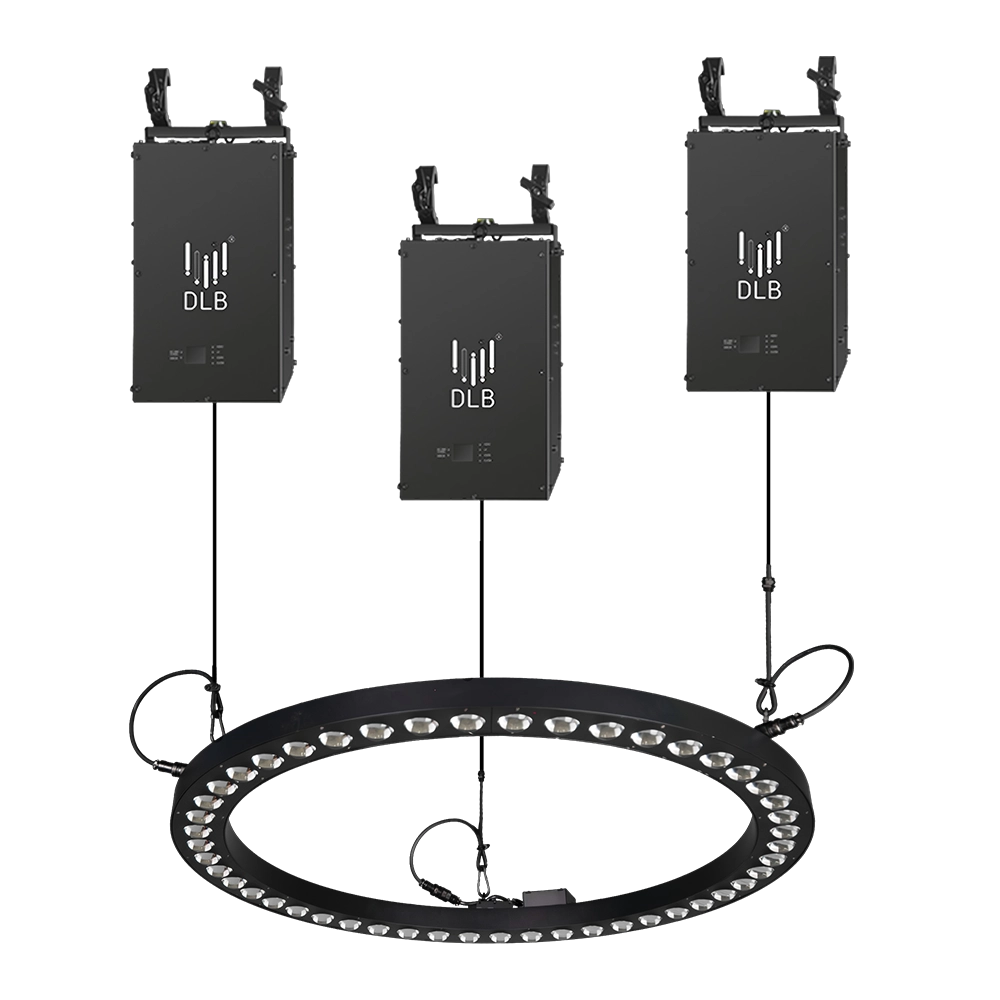
Kinetic Halo Ring——Ideal for a wide range of large-scale events: commercial spaces, TV shows, concerts, nightclubs, and various other settings.
Experience dynamic illumination with the FENG-YI Kinetic Halo Ring. This versatile kinetic light is perfect for large-scale events—commercial spaces, TV shows, concerts, and nightclubs—delivering stunning kinetic ring light effects that captivate every audience.
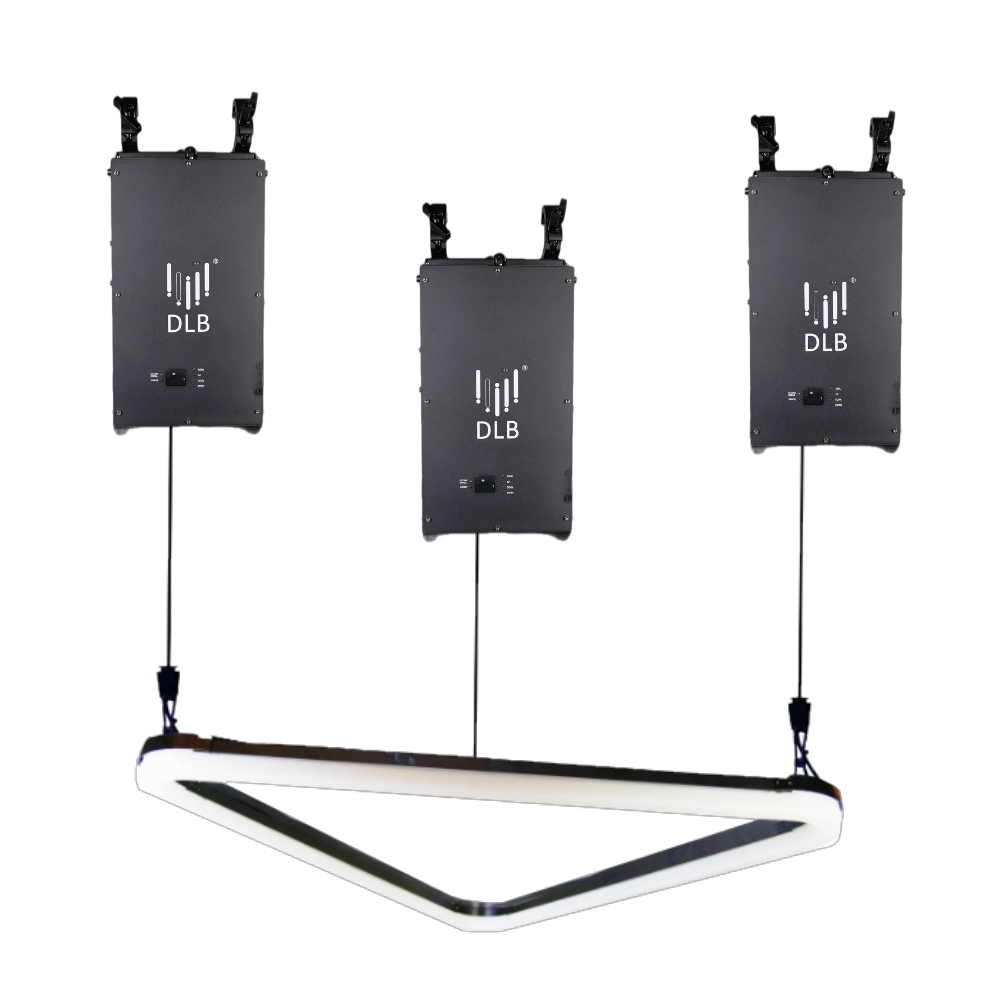
Kinetic Arc Light——Ideal for a wide range of large-scale events: commercial spaces, TV shows, concerts, nightclubs, and various other settings.
FENG-YI’s Kinetic Arc Light is a kinetic triangle LED light panel designed for large-scale events. Perfect for commercial spaces, TV shows, concerts, and nightclubs, it delivers dynamic lighting effects that captivate audiences and elevate any setting. Ideal kinetic light solution.
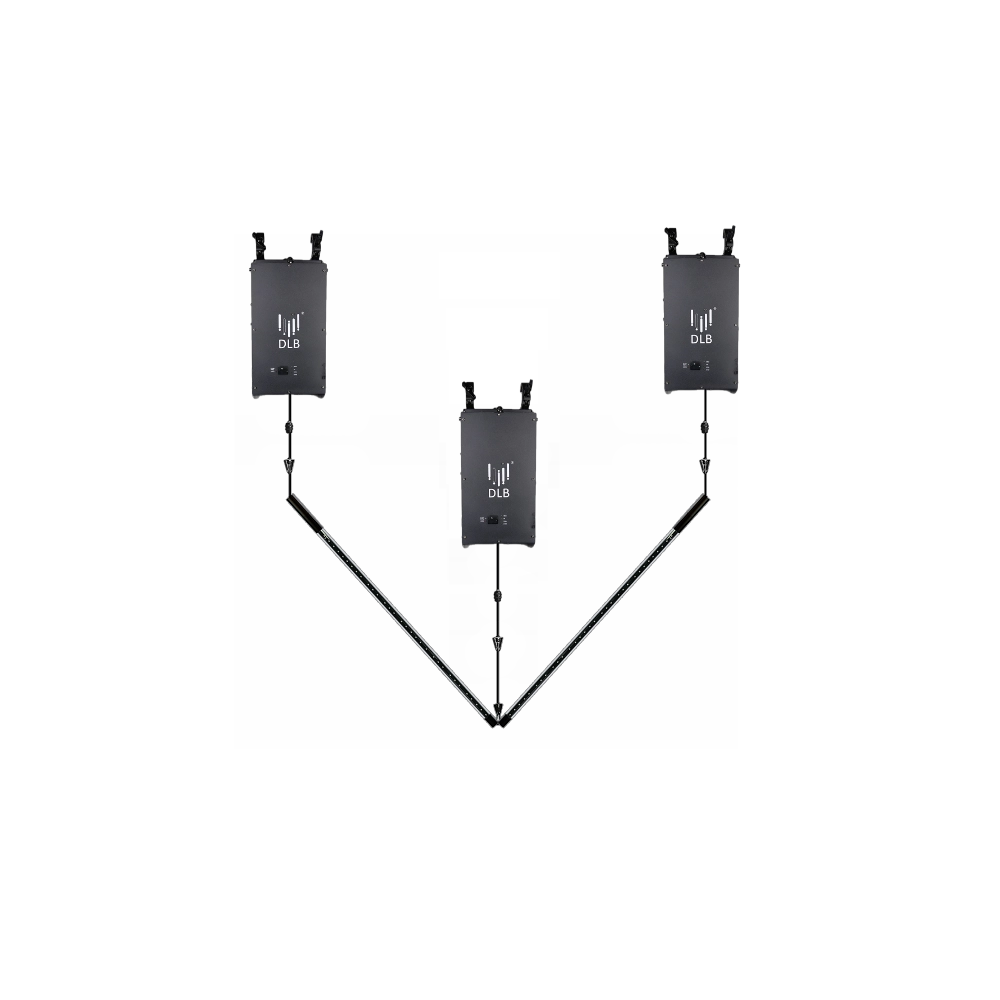
Kinetic Double Rod——Ideal for a wide range of large-scale events: commercial spaces, TV shows, concerts, nightclubs, and various other settings.
FENG-YI’s Kinetic Double Rod delivers dynamic kinetic light effects ideal for large-scale events—from concerts and nightclubs to TV shows and commercial spaces. Elevate your setup with this versatile kinetic light rod, designed for stunning visual impact and seamless integration.
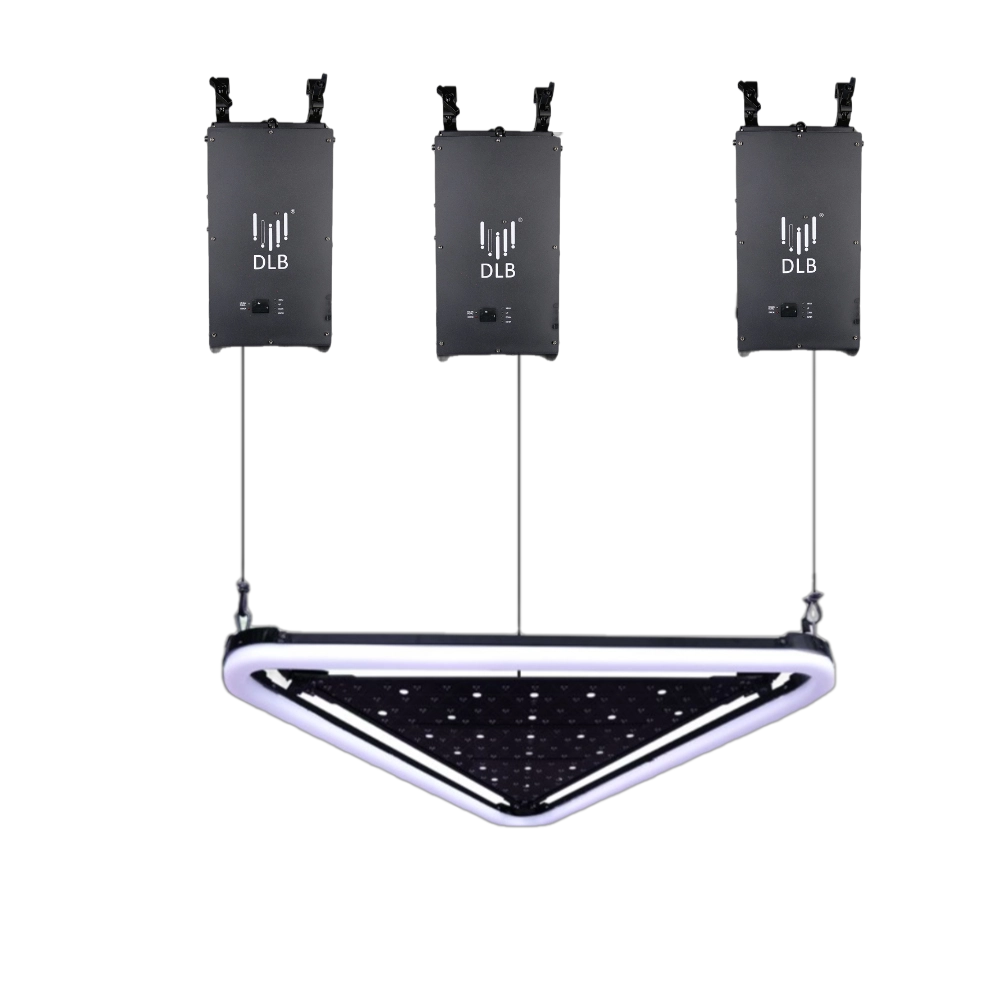
Kinetic Arc Panel——Ideal for a wide range of large-scale events: commercial spaces, TV shows, concerts, nightclubs, and various other settings.
FENG-YI’s Kinetic Arc Panel features dynamic kinetic light technology with kinetic triangle LED light panels, perfect for enhancing large-scale events like concerts, TV shows, nightclubs, and commercial spaces. Elevate your visual experience with innovative, high-impact lighting solutions.
Want to learn more about the latest updates?
Have questions or ready to illuminate your project? Reach out to our expert team today.
Rest assured that your privacy is important to us, and all information provided will be handled with the utmost confidentiality.
By clicking "Send your message," I agree to your processing my personal data.
To see how to withdraw your consent, how to control your personal data, and how we process it, please see our Privacy Policy and Terms of Use.

FENG-YI has been continuously innovating and has grown into a Kinetic Lights Manufacturer and solution provider with unique advantages.
Contact
+86 181 2785 5301
Address
Building 5, No. 34, Fuyuan Road, Jinghu IndustrialZone, Xinhua Town, Huadu District, Guangzhou, China.
© 2025 FENG-YI. All Rights Reserved.
Facebook
Instagram
YouTube
TikTok