










Outdoor Kinetic Lights: Weatherproofing and Safety
This comprehensive guide explains how to weatherproof, install, and operate outdoor kinetic lights safely, with practical guidance tailored to FENG-YI’s Kinetic Arc Light. Topics include IP/NEMA ratings, enclosure materials, mounting and rigging best practices, electrical protection, thermal management, maintenance schedules, and certification considerations to help event producers, rental houses, and venue operators deploy kinetic lights reliably and compliantly.
- Outdoor Kinetic Lights: Weatherproofing and Safety — Overview
- Understanding IP, NEMA, and What They Mean for Kinetic Lights (kinetic lights)
- IP/NEMA Quick Comparison Table
- Materials and Sealing: How to Weatherproof the Kinetic Arc Light
- Mounting and Rigging Safety for Outdoor Kinetic Lights (kinetic lights)
- Electrical Protection and Data Connectivity Outdoors
- Thermal Management: Keeping LED Performance and Moving Parts Within Safe Ranges
- Maintenance, Inspection, and Pre-Show Checklists for Outdoor Use
- Regulatory Compliance and Certifications to Look For (kinetic lights)
- Case Study: Deploying FENG-YI’s Kinetic Arc Light Outdoors
- Why Choose FENG-YI’s Kinetic Arc Light for Outdoor and Large-Scale Events
- FAQs — Outdoor Kinetic Lights, Weatherproofing, and Safety
- Q: What IP rating should I require on a kinetic light for outdoor festivals?
- Q: How do we handle wind with moving kinetic units?
- Q: Can we use standard DMX cables outdoors?
- Q: What daily checks should technicians perform on outdoor kinetically moving lights?
- Q: Are these recommendations compliant with local codes?
- Contact FENG-YI / View the Kinetic Arc Light
- References and Sources
Outdoor Kinetic Lights: Weatherproofing and Safety — Overview
Outdoor kinetic lights bring dynamic motion and striking visuals to large-scale events, but their moving mechanisms, electronics, and structural attachments require careful weatherproofing and safety planning. This article focuses on best practices for outdoor deployment of kinetic lights with a special emphasis on FENG-YI’s Kinetic Arc Light — a kinetic triangle LED light panel ideal for commercial spaces, TV shows, concerts, nightclubs, and other large venues. We'll cover ingress protection (IP) and enclosure ratings, mechanical and electrical safety, thermal management, installation and rigging, maintenance, and compliance guidance so your kinetic lights perform reliably and safely outdoors.
Understanding IP, NEMA, and What They Mean for Kinetic Lights (kinetic lights)
Choosing the right ingress protection (IP) or NEMA rating is foundational for outdoor kinetic lighting. IP and NEMA ratings define how well a product resists dust and water intrusion. For kinetic lights, you must assess both the LED panel enclosure and moving junctions where motors, cabling, and connectors pass through.
Key practical guidance:
- IP65: dust-tight and protected against water jets — suitable for many outdoor uses where direct heavy rain or temporary exposure is expected.
- IP66/IP67: provides higher protection against high-pressure water or temporary immersion — recommended when exposure to heavy rain, spray, or occasional pooling is expected.
- NEMA 3R/4/4X: North American equivalents that add corrosion resistance (4X) for coastal environments.
FENG-YI’s Kinetic Arc Light should be specified with an appropriate IP/NEMA level depending on the installation environment. For exposed outdoor festival sites, aim for IP66/IP67 or NEMA 4X components on critical enclosures and weather-rated connectors for all power and data feeds.
IP/NEMA Quick Comparison Table
| Rating | Protection | Typical Outdoor Use |
|---|---|---|
| IP65 | Dust-tight, water jets | Covered outdoor stages, temporary rain |
| IP66 | Dust-tight, powerful water jets | Exposed outdoor rigs, heavy rain |
| IP67 | Dust-tight, temporary immersion | High-exposure areas, risk of puddling |
| NEMA 4X | Dust, water, corrosion-resistant | Coastal, salty air, wash-down environments |
Sources for rating definitions are at the end of the article. When specifying a kinetic light for outdoor use, always confirm the enclosure rating for motors and control electronics, not just the LED face.
Materials and Sealing: How to Weatherproof the Kinetic Arc Light
Weatherproofing begins with materials and seals. The Kinetic Arc Light's moving triangle panel and frame must balance lightweight construction (for motion and transportability) with corrosion resistance and durable sealing.
Practical materials and design choices:
- Aluminum frames: use anodized or powder-coated aluminum to resist corrosion without heavy weight.
- Stainless steel fasteners: use grade 316 for coastal installations to prevent rusting in salty air.
- Synthetic gaskets: silicone or EPDM gaskets at access panels, motor housings, and cable entry points deliver long-term flexibility and UV resistance.
- IP-rated motor housings: where possible, use sealed geared motors or stepper/servo housings rated for the intended IP level. Alternatively, place motors in a protected enclosure and use sealed driveshafts.
- Potting and conformal coating: PCBs in driver boards should use conformal coatings or potting to resist moisture and condensation.
Tip: Protect moving joints with bellows or flexible boots, and route cabling through sealed grommets. Avoid making gullies or horizontal seams where water can collect near moving parts.
Mounting and Rigging Safety for Outdoor Kinetic Lights (kinetic lights)
Mechanical safety for kinetic lights revolves around proper mounting, structural loads, and redundancy. For systems like the Kinetic Arc Light, which move or articulate, dynamic loads (accelerations and decelerations) add to static load calculations.
Best practices:
- Load calculations: use structural engineers or experienced rigging professionals to calculate wind, live, and dynamic loads using local codes (refer to ASCE 7 where applicable).
- Certified rigging hardware: employ rated shackles, slings, and trusses with traceable load ratings. Never mix mismatched hardware without verification.
- Redundancy: use secondary safety cables and secondary attachments for all overhead kinetic elements to catch the unit if the primary mount fails.
- Limit switches and software interlocks: configure software and hardware limits so motion stops safely at the end of travel. Include failsafe braking or clutches where possible.
- Wind monitoring: for outdoor installations, integrate wind sensors and procedures to park the kinetic element in a safe orientation or stow position when the threshold is reached.
For temporary live events, ensure rigging is inspected by a qualified rigger before each event and that clear, documented load plans are available to venue safety personnel.
Electrical Protection and Data Connectivity Outdoors
Electrical safety is critical for outdoor kinetic lights. The Kinetic Arc Light includes LED panels, drivers, motor controls, and data networks (DMX/Art-Net/sACN). Each electrical path must be protected against moisture, surges, and mechanical stress.
Key measures:
- Weatherproof connectors: use IP67-rated power and signal connectors for outdoor runs. For multi-pole connectors, prefer industry-standard touring connectors rated for outdoor use.
- Surge protection: install surge protective devices (SPDs) at distribution panels and critical equipment to protect against lightning and switching transients. Use devices meeting UL 1449 where applicable.
- Grounding and bonding: ensure consistent grounding from the fixture to the venue ground. Bond all metal parts to ground to prevent touch-voltage hazards.
- GFCI/RCD protection: use ground-fault circuit interrupters for portable power runs in wet environments per local electrical codes.
- Cable management: protect power and data cables from chafing; use flexible conduit and strain-relief at entry points.
DMX over long distances outdoors should use shielded twisted-pair cabling or fiber optic converters for reliability. For networked lighting (Art-Net/sACN), consider redundant network paths or managed switches with PoE where applicable.
Thermal Management: Keeping LED Performance and Moving Parts Within Safe Ranges
LEDs and motors produce heat. Outdoor installations face both high daytime temperatures and cold nights; expansion, contraction, and condensation risk shortening service life if thermal design is poor.
Recommendations:
- Passive heatsinking: design the LED panel with adequate thermal mass and conductive paths (aluminum backplates) to keep junction temperatures in the rated range.
- Active cooling: where fixtures run at high output for long periods, include thermostatically controlled fans inside sealed housings or use phase-change vents that equalize pressure without allowing moisture ingress.
- Temperature monitoring: implement internal temperature sensors that report to the control system; shut down or derate LEDs and motors if critical temperatures are exceeded.
- Condensation control: use desiccant packs inside sealed enclosures and pressure-equalizing membranes to prevent moisture buildup that can lead to corrosion or short circuits.
Following DOE recommendations for LED thermal management helps preserve lumen maintenance and predict lifetime under outdoor conditions.
Maintenance, Inspection, and Pre-Show Checklists for Outdoor Use
Regular inspection keeps kinetic lights safe and reliable. Develop checklists and log maintenance activities for each unit, especially when used in outdoor touring or recurring events.
Suggested inspection schedule:
- Daily (pre-show): visual check for loose fasteners, cracked seals, cable chafe, and motor noises. Verify limit switches and emergency stop functionality.
- Monthly: test ingress seals, exercise motion through full travel, inspect gaskets and boots, check dielectric integrity of cable jackets.
- Quarterly or after adverse weather: open access panels to inspect for moisture, corrosion, or pest ingress; replace desiccants.
- Annual: full electrical test, load test motors, and professional inspection of structural attachments and control systems.
Keep spare parts on hand: gaskets, rated connectors, desiccant packs, and motor seals. Maintain firmware and control software to ensure safety interlocks and rollback fixes for known issues.
Regulatory Compliance and Certifications to Look For (kinetic lights)
When selecting kinetic lighting like the Kinetic Arc Light for outdoor deployment, verify relevant certifications and compliance markers:
- IP/NEMA ratings for environmental protection.
- CE/UKCA or UL/ETL electrical safety marks depending on market (Europe vs. North America).
- EMC/EMI compliance for electronics to avoid interference with communication systems.
- Local electrical code compliance (NEC/NFPA in the U.S.) for permanent installations.
- Entertainment industry guidance for rigging and moving effects — PLASA and ESTA provide best-practice resources for rigged moving elements.
Procure fixtures from manufacturers who provide clear documentation: rated environmental data, weight and center-of-gravity info for rigging, wiring diagrams, and maintenance manuals.
Case Study: Deploying FENG-YI’s Kinetic Arc Light Outdoors
Scenario: An outdoor concert requires several Kinetic Arc Light panels suspended above the stage on trusses. The client expects intermittent rain and wind gusts up to 25 mph.
Implementation highlights:
- Specify Kinetic Arc Light units with IP66-rated motor housings and IP65-rated LED faces; protect power/data connectors with IP67-rated breakouts and sealed junction boxes.
- Use galvanized or aluminum truss with certified hardware; secondary safety cables with proof-tested anchors; perform load calculations including dynamic motion factors.
- Install wind sensors paired with playback software to park panels if gust thresholds are exceeded. Configure software limit-profiles to reduce motion amplitude during high wind conditions.
- Run surge protection at the distro and individual SPD modules on critical feeds; GFCI protection on portable feeds.
- Pre-show checklist completed by the rigger and lighting technician: inspect seals, test motor limits, verify bonding/grounding, and function-test emergency stops.
Outcome: the Kinetic Arc Light delivered striking visuals reliably through changing weather because precautions were built into specification, installation, and operations plans.
Why Choose FENG-YI’s Kinetic Arc Light for Outdoor and Large-Scale Events
FENG-YI’s Kinetic Arc Light is purpose-built as a kinetic triangle LED panel for large-scale events. Its advantages for outdoor use include:
- Design optimized for spectacle: the triangular kinetic form factor provides unique motion and visual surfaces well-suited to concerts, TV shows, and nightclubs.
- Scalable deployment: modular mounting and control allow multiple panels to be synchronized for large stages and installations.
- Serviceability: access panels, replaceable gaskets, and documented maintenance schedules reduce downtime during tours or festival runs.
- Integration: compatible with common lighting control protocols and showsafe interlocks to meet event production workflows.
When specified with the right environmental options and installed per the guidance above, the Kinetic Arc Light is an ideal kinetic light solution for outdoor event producers seeking both impact and reliability.
FAQs — Outdoor Kinetic Lights, Weatherproofing, and Safety
Q: What IP rating should I require on a kinetic light for outdoor festivals?
A: For festival use with significant exposure to rain and spray, specify at least IP66 for critical enclosures and IP65 or better on the LED panel. If immersion or heavy pooling is possible, aim for IP67. Also ensure connectors and motors meet the same environmental expectations.
Q: How do we handle wind with moving kinetic units?
A: Integrate wind sensors and define operational wind thresholds. Use parking/stow positions and software interlocks to cease motion when thresholds are exceeded. Rely on redundant mechanical safety cables and certified rigging to mitigate risk during gusts.
Q: Can we use standard DMX cables outdoors?
A: Use outdoor-rated, shielded DMX cables or convert DMX to fiber for long runs and high-reliability installations. Always use IP-rated connectors and keep termination points in protected or rated junction boxes.
Q: What daily checks should technicians perform on outdoor kinetically moving lights?
A: Pre-show checks should include visual inspection for seal damage, loose fasteners, cable chafing, correct operation of limit switches and E-stop, and a brief motion test through the operational envelope.
Q: Are these recommendations compliant with local codes?
A: They are best-practice recommendations. Always confirm final designs with local electrical and structural codes, and consult a licensed electrician or structural engineer where required.
Contact FENG-YI / View the Kinetic Arc Light
To discuss outdoor specifications, environmental options, or to get a deployment checklist tailored to your venue, contact FENG-YI’s technical sales team or request a product datasheet. For booking, demos, or a customized quote for FENG-YI’s Kinetic Arc Light — the ideal kinetic light solution for commercial spaces, TV shows, concerts, nightclubs, and more — reach out to your FENG-YI representative or visit the product page.
References and Sources
- IEC 60529 — Degrees of protection provided by enclosures (IP Code). International Electrotechnical Commission. https://www.iec.ch/
- NEMA Enclosures and Standards. National Electrical Manufacturers Association. https://www.nema.org/
- UL 1449 — Standard for Surge Protective Devices. Underwriters Laboratories. https://standardscatalog.ul.com/standards/en/standard_1449_3
- U.S. Department of Energy — Solid-State Lighting Technology. Best practices for LED thermal management. https://www.energy.gov/eere/ssl/solid-state-lighting
- OSHA — Electrical, Rigging and Fall Protection Guidelines. https://www.osha.gov/electrical
- PLASA/ESTA — Entertainment industry guidance for rigging and safety best practices. https://www.plasa.org/ and https://tsp.esta.org/
- ASCE 7 — Minimum Design Loads for Buildings and Other Structures (for wind load guidance). American Society of Civil Engineers. https://www.asce.org/
For additional technical consultation specific to your site or event, contact FENG-YI’s engineering team to ensure your Kinetic Arc Light units are configured for both spectacle and safety.
Tags
kinetic triangle led light panel kit
kinetic triangle led light panel kit
Kinetic Light
Kinetic Light
Kinetic Bulb light
Kinetic Bulb light
Kinetic chandelier
Kinetic chandelier
kinetic light for stage production
kinetic light for stage production
firefly stage lights
firefly stage lights
Recommended for you
What are kinetic lights and how do they work?
Kinetic lights in architecture: design tips and cases
Best kinetic lighting installations in public art
Programming kinetic lighting animations: tools and tips
Prdoucts Categories
Question you may concern
Wholesale Cooperation
Is there a regional protection policy to avoid competition among multiple wholesalers in the same region?
For prefecture-level cities and above, an "exclusive wholesale cooperation" policy is implemented: If there is already a cooperative wholesaler in a region (with an annual purchase amount of ≥ 300,000 RMB), no second wholesaler of the same type will be developed. For county-level regions, 2-3 wholesalers can be developed based on market demand, but clear sales scopes must be divided (e.g., by town) to avoid vicious competition.
What is the restocking cycle for wholesale customers? Can production be prioritized?
The restocking cycle for standard models is 3-7 days (same-day shipment if stock is sufficient), and the restocking cycle for customized models is the same as the initial customization cycle (15-45 days). For annual cooperative customers (with an annual purchase amount of ≥ 500,000 RMB), a "priority restocking agreement" can be signed, and 10%-15% of safety stock will be reserved to ensure emergency restocking needs are met within 3 days.
Logistics Services
What logistics method is used by default for products? What is the delivery time for different regions in China?
Dedicated line logistics (e.g., Anneng, Best Express) is used by default. Express delivery (e.g., SF Express, JD Express) or full-truck transportation can also be arranged according to customer needs. Delivery time:
▪ East China/South China/Central China: 3-5 days.
▪ North China/Southwest China: 5-7 days.
▪ Northeast China/Northwest China: 7-10 days.
▪ Remote areas (e.g., Xinjiang, Tibet): 10-15 days, with an additional remote area freight charge (calculated by weight, specific details to be confirmed with the logistics department).
Wedding & Parties Lighting Solutions
How is safety ensured?
Encoder closed-loop control, emergency stop circuits, software/hardware limit switches, load monitoring, and collision-avoidance zones. A comprehensive pre-performance checklist is provided.
You may also like
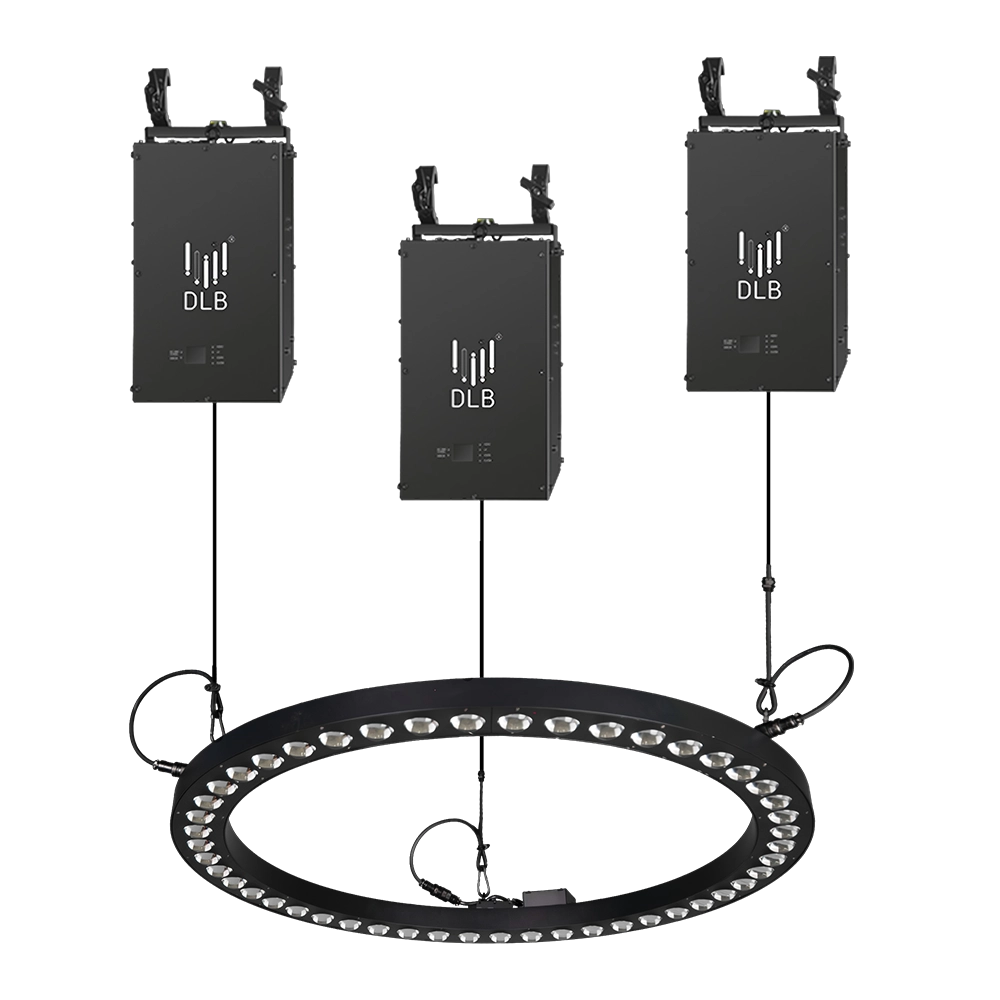
Kinetic Halo Ring——Ideal for a wide range of large-scale events: commercial spaces, TV shows, concerts, nightclubs, and various other settings.
Experience dynamic illumination with the FENG-YI Kinetic Halo Ring. This versatile kinetic light is perfect for large-scale events—commercial spaces, TV shows, concerts, and nightclubs—delivering stunning kinetic ring light effects that captivate every audience.
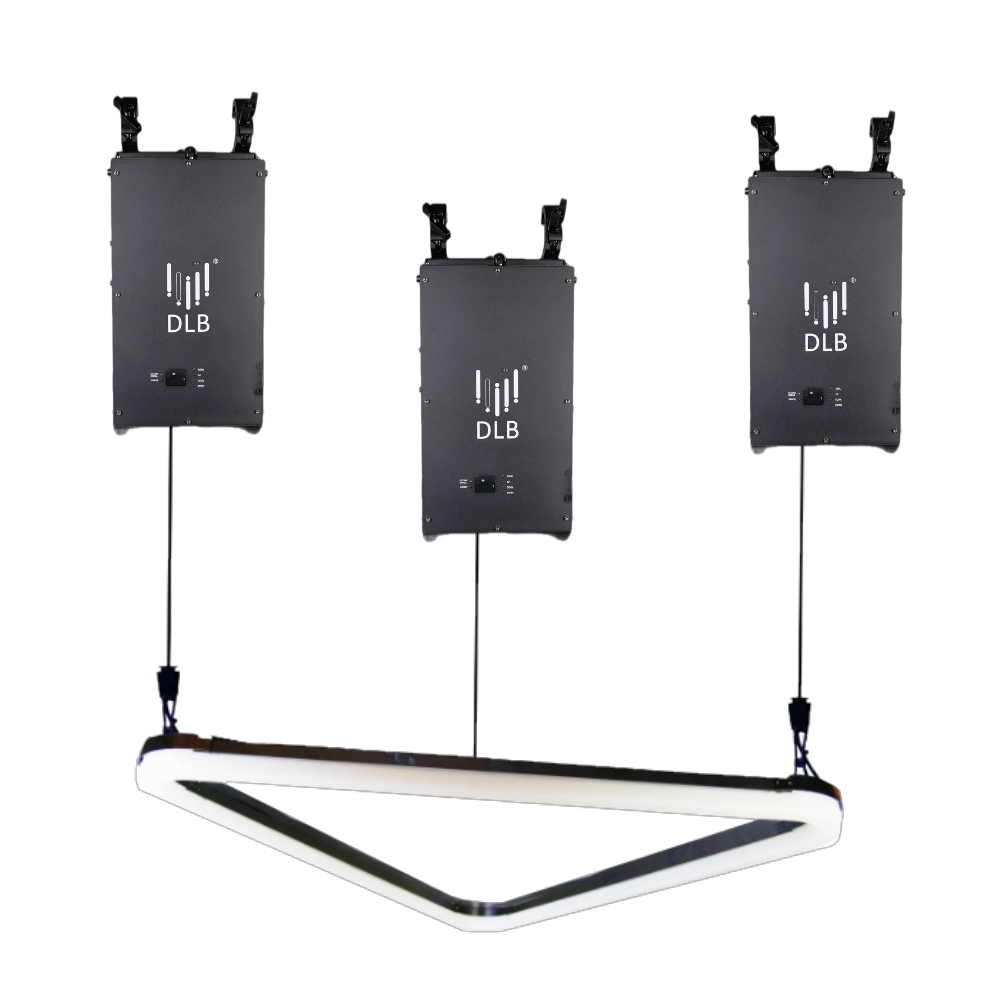
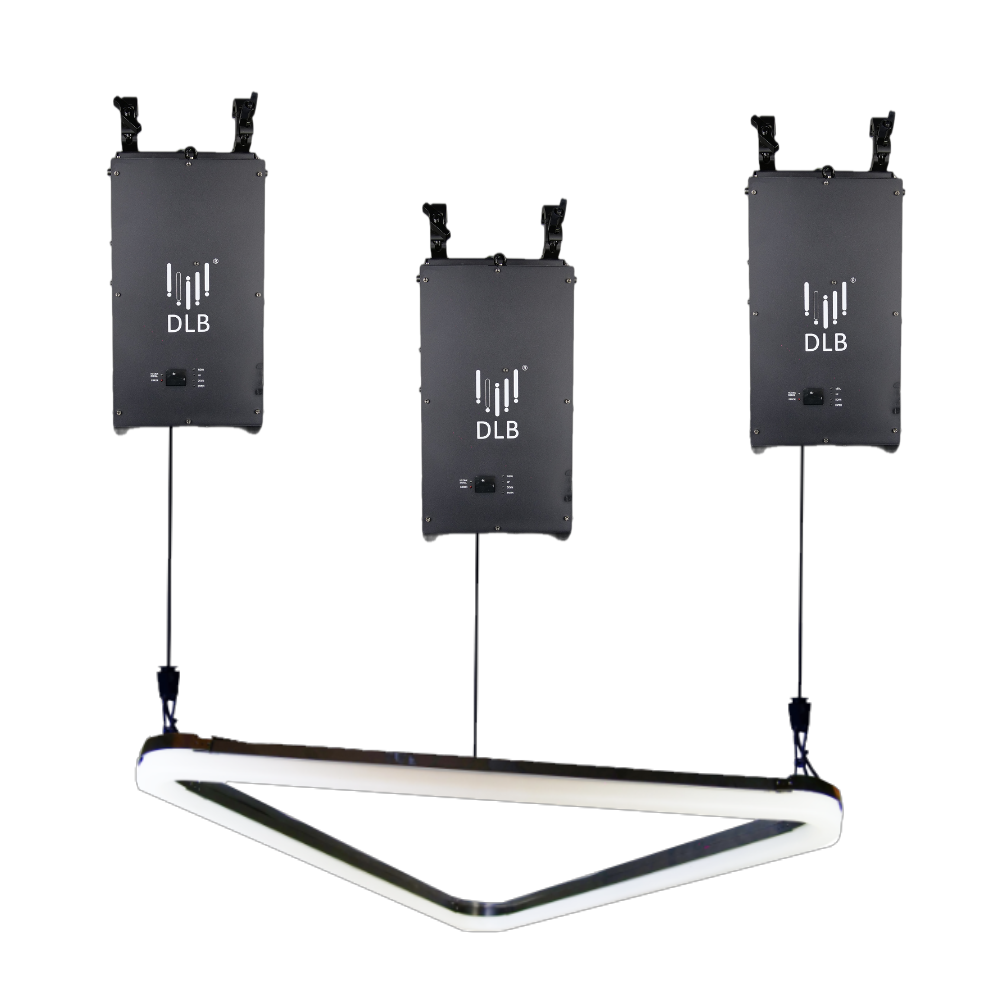
Kinetic Arc Light——Ideal for a wide range of large-scale events: commercial spaces, TV shows, concerts, nightclubs, and various other settings.
FENG-YI’s Kinetic Arc Light is a kinetic triangle LED light panel designed for large-scale events. Perfect for commercial spaces, TV shows, concerts, and nightclubs, it delivers dynamic lighting effects that captivate audiences and elevate any setting. Ideal kinetic light solution.
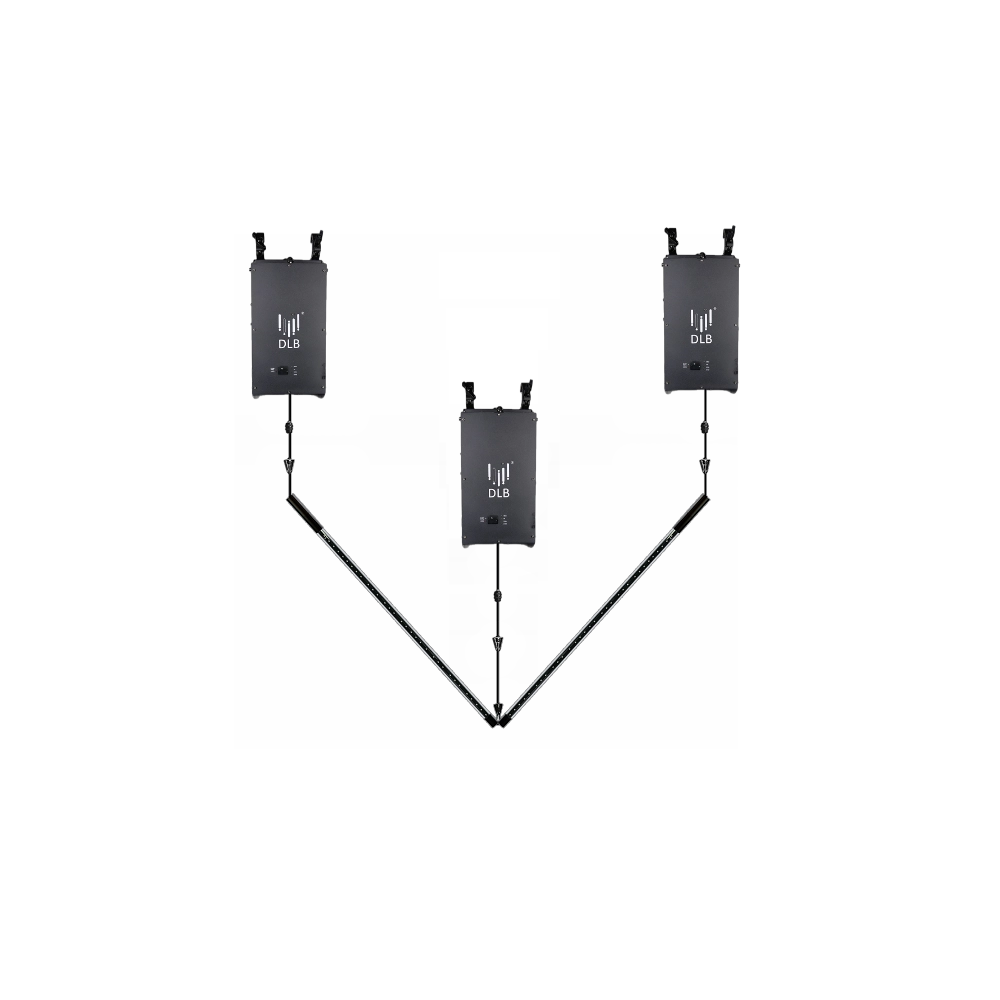
Kinetic Double Rod——Ideal for a wide range of large-scale events: commercial spaces, TV shows, concerts, nightclubs, and various other settings.
FENG-YI’s Kinetic Double Rod delivers dynamic kinetic light effects ideal for large-scale events—from concerts and nightclubs to TV shows and commercial spaces. Elevate your setup with this versatile kinetic light rod, designed for stunning visual impact and seamless integration.
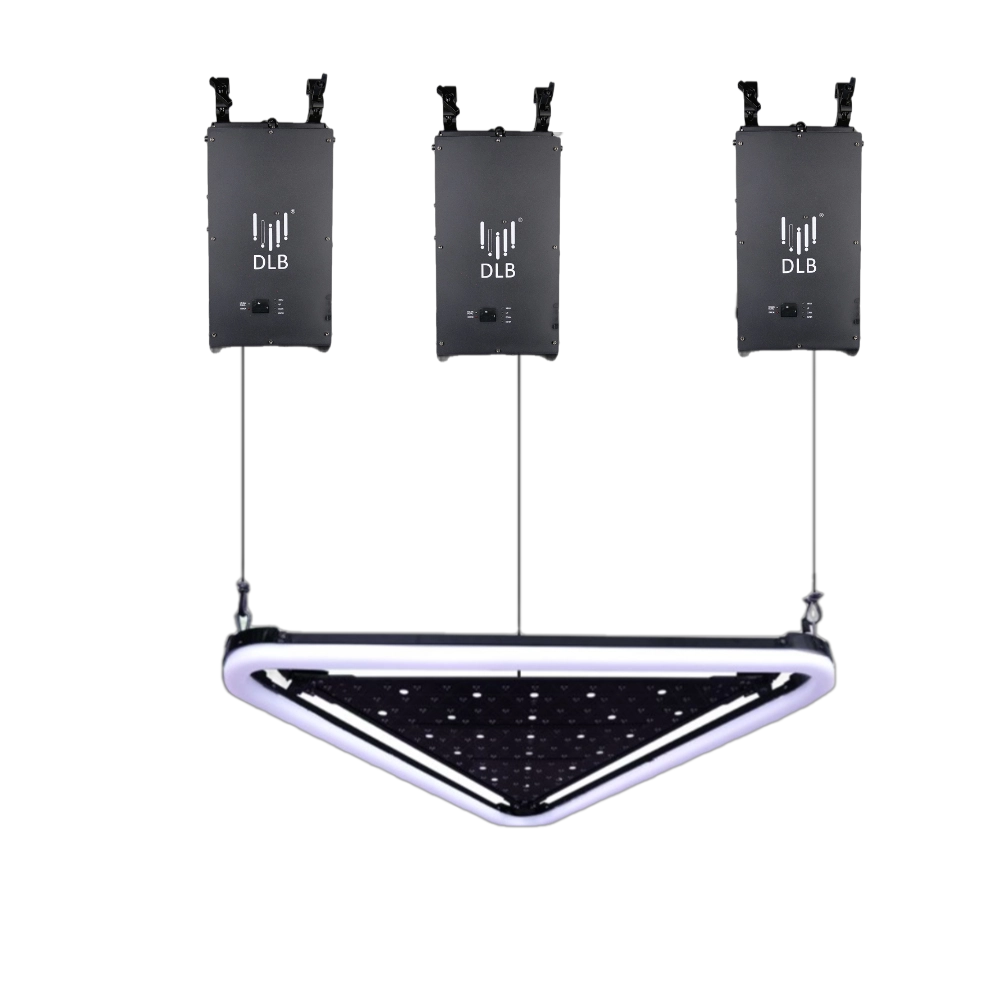
Kinetic Arc Panel——Ideal for a wide range of large-scale events: commercial spaces, TV shows, concerts, nightclubs, and various other settings.
FENG-YI’s Kinetic Arc Panel features dynamic kinetic light technology with kinetic triangle LED light panels, perfect for enhancing large-scale events like concerts, TV shows, nightclubs, and commercial spaces. Elevate your visual experience with innovative, high-impact lighting solutions.
Want to learn more about the latest updates?
Have questions or ready to illuminate your project? Reach out to our expert team today.
Rest assured that your privacy is important to us, and all information provided will be handled with the utmost confidentiality.
By clicking "Send your message," I agree to your processing my personal data.
To see how to withdraw your consent, how to control your personal data, and how we process it, please see our Privacy Policy and Terms of Use.

FENG-YI has been continuously innovating and has grown into a Kinetic Lights Manufacturer and solution provider with unique advantages.
Contact
+86 181 2785 5301
Address
Building 5, No. 34, Fuyuan Road, Jinghu IndustrialZone, Xinhua Town, Huadu District, Guangzhou, China.
© 2025 FENG-YI. All Rights Reserved.
Facebook
Instagram
YouTube
TikTok