










Kinetic triangle vs traditional LED panels: which is better?
Explore the features, benefits, and considerations of Kinetic Triangle LED Light Panels compared to traditional LED panels. Learn about their applications, advantages, and how to choose the right lighting solution for your needs.
- Understanding Kinetic Triangle LED Light Panels: A Comprehensive Guide
- What Are Kinetic Triangle LED Light Panels?
- How Do Kinetic Triangle LED Panels Compare to Traditional LED Panels?
- What Are the Key Features of Kinetic Triangle LED Light Panels?
- What Are the Applications of Kinetic Triangle LED Light Panels?
- What Should Be Considered When Purchasing Kinetic Triangle LED Light Panels?
- How Does FENG-YI Stand Out in the Kinetic Lighting Industry?
Understanding Kinetic Triangle LED Light Panels: A Comprehensive Guide
Kinetic Triangle LED Light Panels are an innovative lighting solution that combines dynamic movement with vibrant illumination, offering a unique visual experience. In this guide, we'll explore the key aspects of these panels, compare them to traditional LED panels, and provide insights to assist you in making an informed purchasing decision.
What Are Kinetic Triangle LED Light Panels?
Kinetic Triangle LED Light Panels are modular lighting fixtures designed to move vertically, creating dynamic lighting effects. They consist of triangular panels equipped with RGB LEDs, which can be controlled to produce a wide range of colors and patterns. These panels are often integrated with DMX512 control systems, allowing for synchronized movement and lighting effects.
How Do Kinetic Triangle LED Panels Compare to Traditional LED Panels?
Traditional LED panels are static fixtures that provide consistent illumination without movement. In contrast, Kinetic Triangle LED Panels offer:
Dynamic Movement: Capable of vertical movement, adding a dynamic element to lighting displays.
Synchronized Effects: Integration with control systems like DMX512 enables coordinated lighting and movement patterns.
Enhanced Visual Impact: The combination of movement and color-changing capabilities creates immersive visual experiences.
What Are the Key Features of Kinetic Triangle LED Light Panels?
Modular Design: Panels can be arranged in various configurations to suit different design requirements.
RGB LED Technology: Provides a broad spectrum of colors for versatile lighting effects.
Control Compatibility: Supports DMX512 control, facilitating integration with existing lighting systems.
Adjustable Movement: Lifting strokes typically range from 3 to 9 meters, with speeds up to 0.7 m/s, offering flexibility in movement dynamics.
What Are the Applications of Kinetic Triangle LED Light Panels?
Kinetic Triangle LED Light Panels are suitable for various applications, including:
Stage Performances: Enhancing live shows with dynamic lighting effects.
Event Lighting: Creating immersive environments for concerts, parties, and exhibitions.
Architectural Lighting: Adding a modern touch to building facades and interiors.
Art Installations: Providing interactive and engaging visual displays.
What Should Be Considered When Purchasing Kinetic Triangle LED Light Panels?
When considering the purchase of Kinetic Triangle LED Light Panels, keep the following in mind:
Control System Compatibility: Ensure the panels are compatible with your existing lighting control systems.
Installation Requirements: Assess the space and structural support needed for installation.
Maintenance Needs: Consider the ease of maintenance and availability of replacement parts.
Budget Constraints: Evaluate the cost in relation to the features and benefits offered.
How Does FENG-YI Stand Out in the Kinetic Lighting Industry?
FENG-YI is a leading manufacturer specializing in Kinetic Lighting solutions, offering:
Innovative Designs: A diverse range of kinetic lighting products, including the Kinetic Triangle LED Light Panels.
Customization Options: Tailored solutions to meet specific project requirements.
Expert Support: Professional services encompassing design, installation, and programming.
Quality Assurance: Commitment to high-quality products with reliable performance.
For more information on FENG-YI's offerings, visit their official website.
By understanding the features and benefits of Kinetic Triangle LED Light Panels, you can make an informed decision that aligns with your lighting needs and project objectives.
Recommended for you
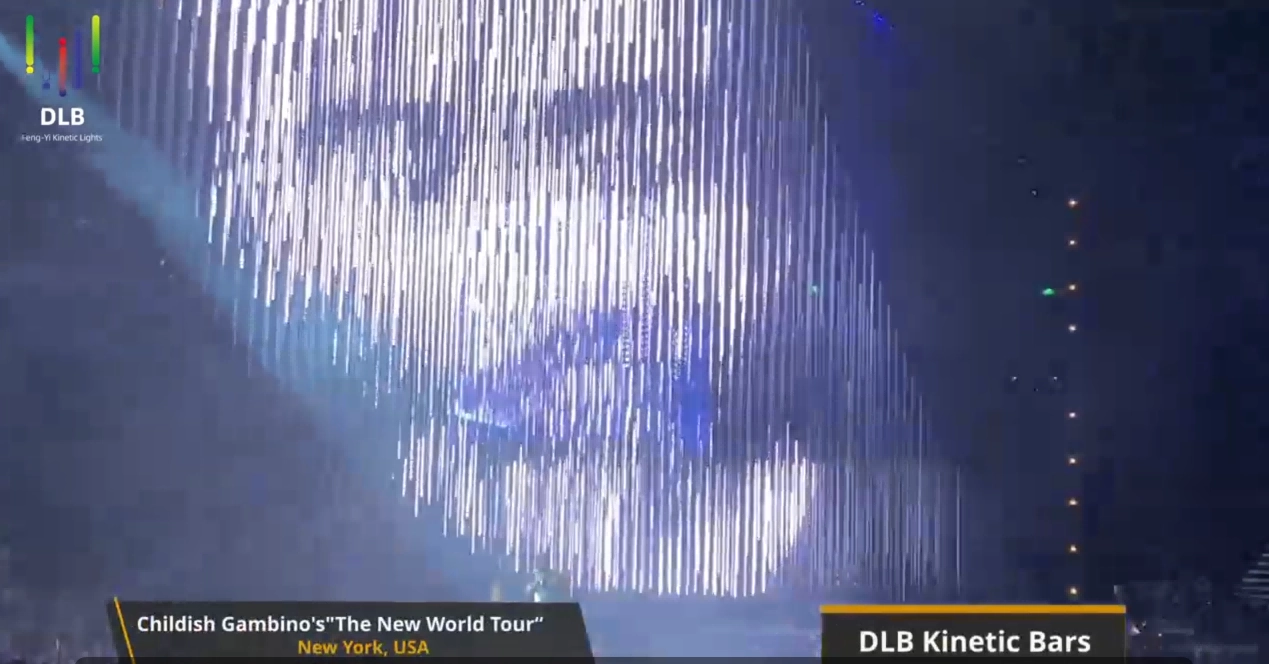
US New York -A Lighting Revolution at the Childish Gambino’s The New Would Tour-Dynamic Bar
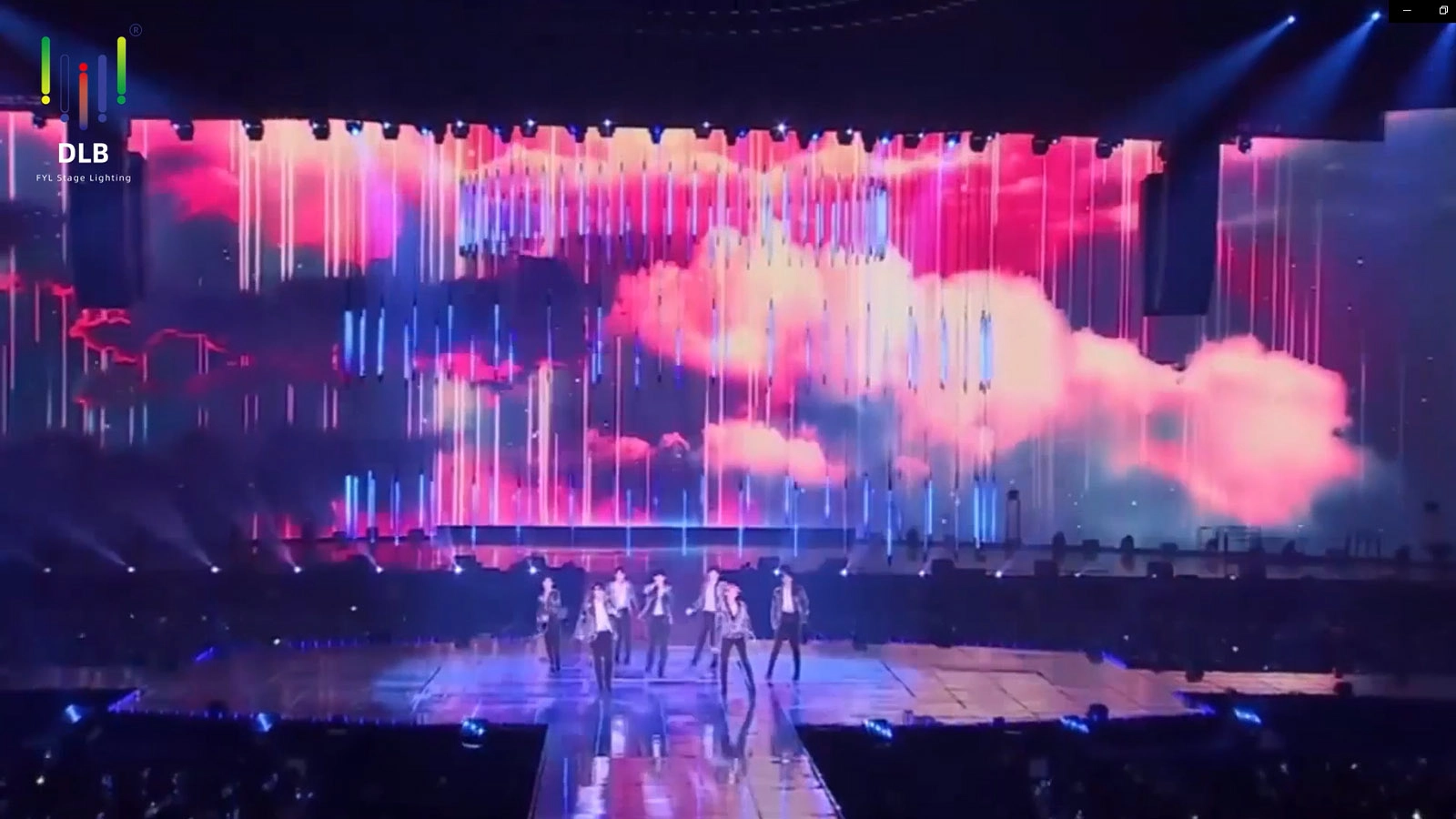
South Korea Seoul -Got7 concert-Dynamic Bar
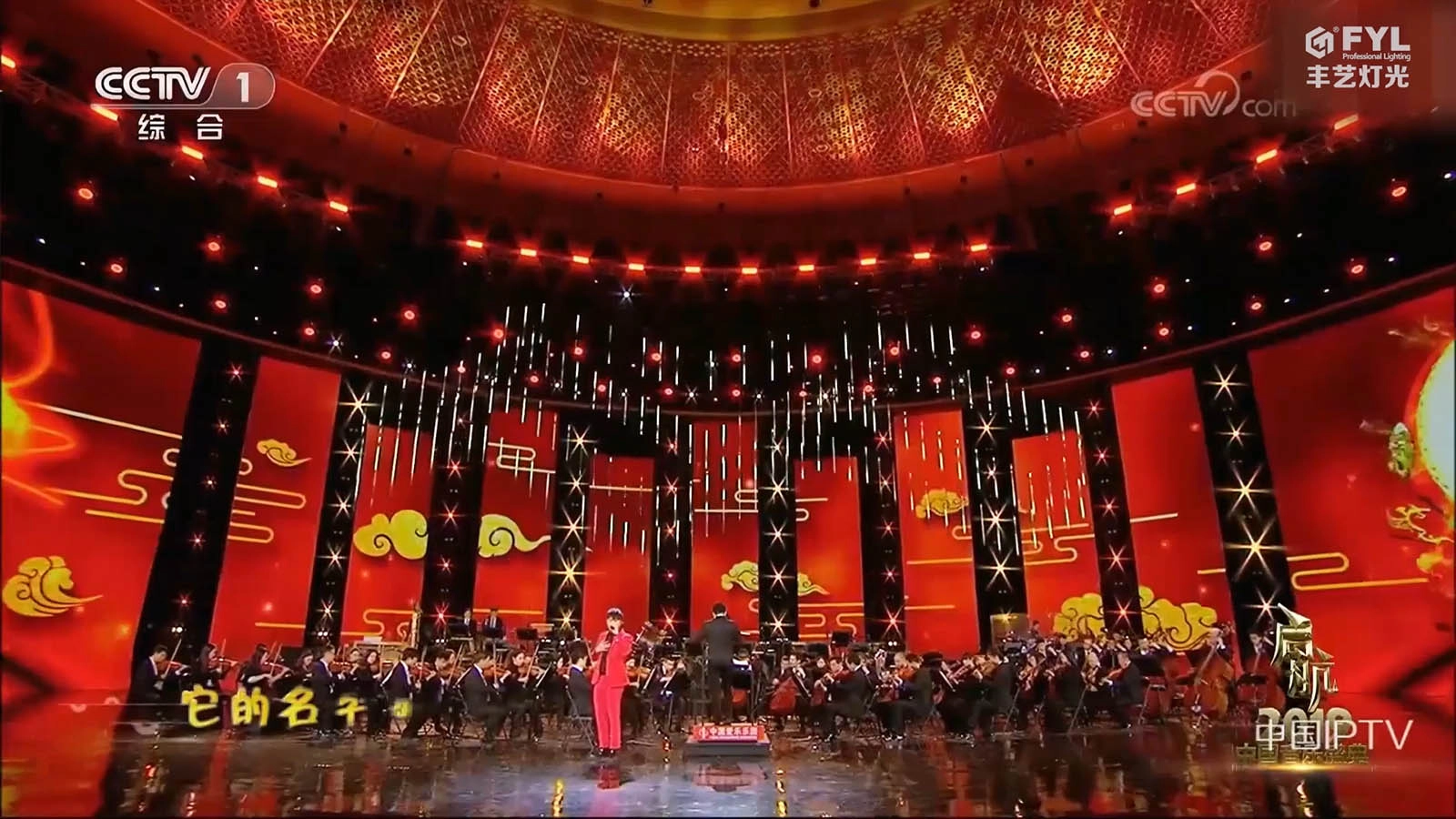
Beijing China-CCTV 2019 China Music Awards-Dynamic Bar
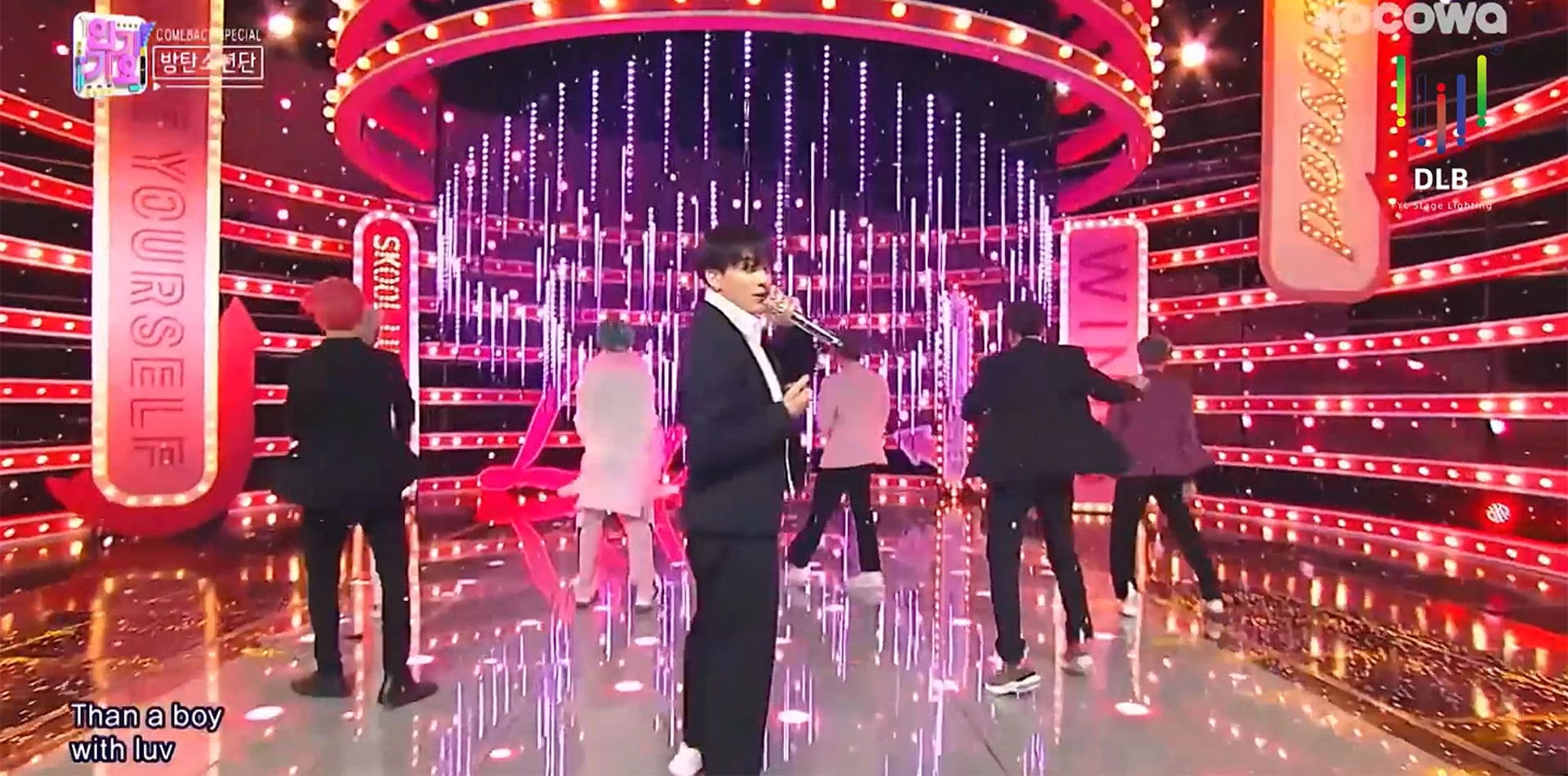
South Korea-BTS's "Boy with Luv" performance-Dynamic Bars
Prdoucts Categories
FAQ
Products
The fixture does not respond to the DMX controller. How to fix it?
Resolve with these checks:
1. DMX Address & Channels: Ensure the fixture’s starting address is correct (e.g., 34CH fixture 1: A001, fixture 2: A035) and the controller’s channel count ≥ total fixture channels.
2. Signal Wiring: Use shielded twisted-pair DMX cables (≤150m); install a 120Ω terminal resistor between pins 2-3 of the last fixture’s XLR connector.
3. Signal Amplification: For cable lengths >150m, add a DMX signal amplifier to avoid signal loss; separate DMX cables from high-voltage power cables (≥1m apart) to prevent interference.
Customization/OEM Services
What is the production cycle for customized products? Is sample trial production supported?
The production cycle for regular customization (e.g., appearance logo, parameter fine-tuning) is 15-20 days, and the cycle for complex function customization (e.g., development of a new elevating structure) is 30-45 days. Sample trial production is supported. The sample fee is charged based on the customization cost (the fee can be deducted from the payment after bulk ordering). The trial production cycle is 7-10 days, and bulk production will start only after the customer confirms the sample is qualified.
Wholesale Cooperation
Are samples provided for wholesale cooperation? How is the sample fee settled?
1-2 standard samples are provided free of charge (the customer needs to bear the freight). For customized samples, a cost fee is charged (e.g., 200-500 RMB/unit for appearance-customized samples). If the customer places a subsequent bulk order (meeting the MOQ of the corresponding product), the sample fee can be fully deducted from the payment, and free samples do not need to be returned.
After-Sales Support
What is the after-sales process when a product malfunctions? How long is the repair cycle?
After-sales process:
01. The customer contacts the after-sales team (by phone/WeChat) and provides the product model, fault description, and purchase certificate.
02. Technicians conduct remote troubleshooting (e.g., guiding parameter debugging, checking circuits). If the problem cannot be solved, repair by mail or on-site repair will be arranged.
03. Repairs for products sent by mail will be completed and returned within 3-5 days after receipt (freight is borne by us). On-site repair (limited to prefecture-level cities and above) will respond within 48 hours, with a repair cycle of 1-3 days.
Want to learn more about the latest updates?
Have questions or ready to illuminate your project? Reach out to our expert team today.
Rest assured that your privacy is important to us, and all information provided will be handled with the utmost confidentiality.
By clicking "Send your message," I agree to your processing my personal data.
To see how to withdraw your consent, how to control your personal data, and how we process it, please see our Privacy Policy and Terms of Use.

FENG-YI has been continuously innovating and has grown into a Kinetic Lights Manufacturer and solution provider with unique advantages.
Contact
+86 181 2785 5301
Address
Building 5, No. 34, Fuyuan Road, Jinghu IndustrialZone, Xinhua Town, Huadu District, Guangzhou, China.
© 2025 FENG-YI. All Rights Reserved.
Facebook
Instagram
YouTube
TikTok