










Integrating Kinetic Lights with Smart Home Systems
A practical guide for integrating kinetic lights—like FENG-YI’s Kinetic Arc Light—into smart home and event control systems. Covers connectivity options (DMX, Art-Net, sACN, Wi‑Fi, Matter), architecture choices, platform integrations, synchronization strategies, security, and a deployment checklist to ensure reliable, show-quality performance.
- Integrating Kinetic Lights with Smart Home Systems
- Why integrate kinetic lights into smart homes and venues? (kinetic lights)
- Product spotlight: Kinetic Arc Light — Ideal kinetic light solution
- Connectivity and control protocols for kinetic lights (kinetic lights)
- Protocol comparison at a glance
- Integration architectures: direct, gateway, and hybrid approaches (kinetic lights)
- 1. Direct control (DMX / Art‑Net / sACN)
- 2. Gateway-based integration (Bridges & Protocol Translation)
- 3. Hybrid approach (Local show control + Smart automation)
- Integrating with popular smart home platforms (Home Assistant, Control4, Crestron) (kinetic lights)
- Synchronizing kinetic lights with audio and video (kinetic lights)
- Security, reliability, and maintenance for kinetic lighting systems (kinetic lights)
- Designing scenes and user experience (kinetic lights)
- Deployment checklist for integrators and event planners (kinetic lights)
- Why FENG-YI’s Kinetic Arc Light is a strong choice for smart-integrated venues (Kinetic Arc Light)
- Practical integration example: Home Assistant + Kinetic Arc Light (kinetic lights)
- Common pitfalls and how to avoid them (kinetic lights)
- FAQs — Integrating Kinetic Lights with Smart Home Systems
- Contact & view product
- Sources and further reading
Integrating Kinetic Lights with Smart Home Systems
Why integrate kinetic lights into smart homes and venues? (kinetic lights)
Integrating kinetic lights into a smart home or venue control system turns lighting from static fixtures into dynamic, responsive elements of the experience. For residential media rooms, high-end entertainment spaces, or large-scale commercial events, kinetic lighting adds motion, depth, and synchronized effects that enhance audience engagement. Smart integration lets you automate scenes, sync lights with audio/video, allow remote control, and maintain consistent, repeatable shows — all important s for venue owners and integrators searching for kinetic lights solutions.
Product spotlight: Kinetic Arc Light — Ideal kinetic light solution
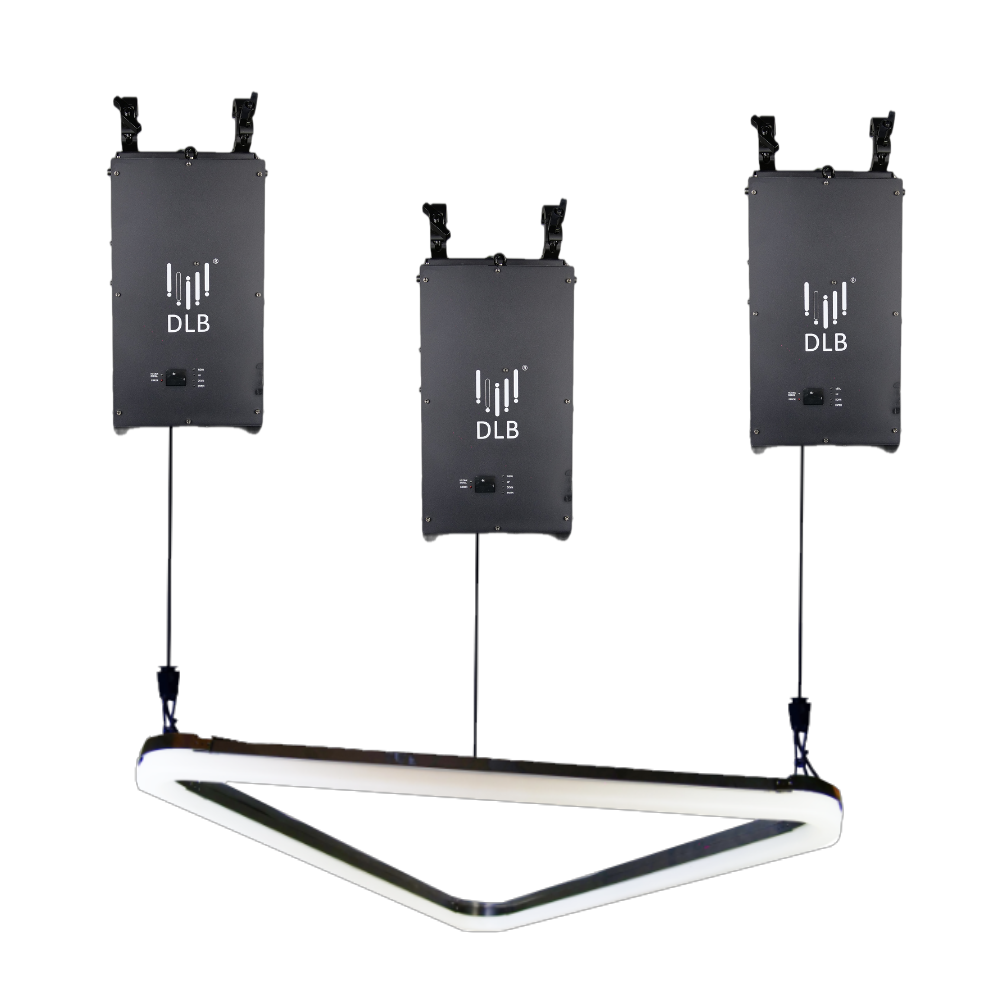
FENG-YI’s Kinetic Arc Light is a kinetic triangle LED light panel designed for large-scale events. Perfect for commercial spaces, TV shows, concerts, and nightclubs, it delivers dynamic lighting effects that captivate audiences and elevate any setting. Ideal kinetic light solution. When planning smart home or venue integration, the Kinetic Arc Light’s form factor and programmable movement make it especially effective where visual drama and reliability are required.
Connectivity and control protocols for kinetic lights (kinetic lights)
Choosing the right control protocol is the foundation for successful integration. Kinetic light fixtures and arrays are most commonly controlled by lighting protocols designed for precision and timing. Below are the most relevant protocols you will encounter when integrating kinetic lights with smart home systems:
- DMX512 — Industry-standard for theatrical and concert lighting; simple, deterministic, and low-latency.
- Art-Net / sACN — Ethernet-based transport for DMX universes across networks; scales better for complex installations.
- Ethernet / TCP (HTTP, WebSocket) — For products that expose web APIs or WebSocket control for higher-level integrations.
- Zigbee / Bluetooth / Wi‑Fi — Wireless options for smaller or consumer-grade kinetic fixtures; convenient but can have latency and reliability tradeoffs on crowded networks.
- Matter (emerging) — A new IP-based smart home interoperability standard that promises safer, unified device communication across platforms.
Protocol comparison at a glance
The table below summarizes typical characteristics integrators consider when selecting a control approach:
| Protocol | Best for | Latency / Determinism | Scalability | Notes |
|---|---|---|---|---|
| DMX512 | Live shows, precise theatrical control | Very low / deterministic | Limited per universe; use many universes for large installs | Wired, robust; requires DMX interfaces or gateways |
| Art-Net / sACN | Large venues, networked installations | Low; depends on network design | High | Runs over Ethernet; preferred for multi-universe setups |
| Wi‑Fi / Ethernet (HTTP/WebSocket) | Smart home apps & cloud control | Variable | High | Flexibility for app-based control; requires robust network |
| Zigbee / Bluetooth | Consumer smart devices, small installs | Moderate | Moderate | Mesh networks can improve coverage; watch for interference |
| Matter | Smart home interoperability (emerging) | Designed for low latency | High | Growing ecosystem; ideal for futureproofing consumer integrations |
Sources for protocol specifications and best practices are listed at the end of this article.
Integration architectures: direct, gateway, and hybrid approaches (kinetic lights)
There are three common architectures to integrate kinetic lights into smart home systems. Choose based on scale, latency tolerance, and the existing smart home ecosystem.
1. Direct control (DMX / Art‑Net / sACN)
Direct control uses lighting consoles or show control systems that output DMX or Art‑Net. This is the gold standard for live events and ensures deterministic timing. For residential spaces that require show-like precision (e.g., home theaters or private clubs), this approach yields the tightest synchronization but typically requires a dedicated lighting controller and network infrastructure.
2. Gateway-based integration (Bridges & Protocol Translation)
Gateways translate between show-control protocols (DMX/Art‑Net) and smart home platforms (HomeKit, Google Home, Zigbee hubs, MQTT). A gateway allows you to keep low-level lighting control while offering app-based or voice control through the home system. Many integrators use an Art‑Net/DMX gateway to connect fixtures like the Kinetic Arc Light to Home Assistant, Crestron, or Control4.
3. Hybrid approach (Local show control + Smart automation)
For venues that need both precision and convenience, the hybrid approach is often best: a show-control core handles live shows and timecode sync; a smart home controller manages automation, scheduling, and user-friendly interfaces. The systems communicate via gateways or network messages, enabling non-technical users to trigger pre-programmed scenes while preserving professional control when needed.
Integrating with popular smart home platforms (Home Assistant, Control4, Crestron) (kinetic lights)
Most modern smart home and AV control systems offer integration points for lighting. The common techniques include:
- Using an Art‑Net or sACN plugin/module to publish lighting universes to the smart home controller.
- Leveraging an MQTT broker or REST API for scene triggers and state reporting.
- Deploying dedicated drivers or modules (e.g., Crestron/Control4 drivers) that map fixture functions to UI controls and macros.
Practical tips:
- Map high-level scenes in the smart home UI to specific DMX scenes on the lighting controller — avoids sending continuous DMX traffic from the home app.
- Use local automation for critical show events to avoid cloud outages or latency.
- Document all mappings and provide an installer mode so integrators can adjust fixtures without exposing low-level controls to end users.
Synchronizing kinetic lights with audio and video (kinetic lights)
Synchronization quality defines the difference between nice and spectacular. For live shows and high-production content, use timecode (SMPTE), OSC (Open Sound Control), or show-control cues. Key considerations:
- Use timecode or a centralized show-control engine for frame-accurate sync to audio and video.
- Prefer deterministic transports (DMX or Art‑Net on a well-designed network) to avoid jitter.
- Test end-to-end latency with the full system (network switches, gateways, and fixtures) and budget for worst-case latency when designing cues.
Security, reliability, and maintenance for kinetic lighting systems (kinetic lights)
Large installations require both physical and network-level best practices to ensure uptime and safety:
- Network segmentation — put show control and lighting devices on a separate VLAN to isolate traffic and reduce interference with home Wi‑Fi.
- Use managed switches with QoS to prioritize Art‑Net/sACN or other lighting traffic.
- Keep firmware updated and maintain an inventory of firmware versions across fixtures. Schedule updates during maintenance windows.
- Plan for redundancy: spare controllers, power supplies, and a predefined fallback scene in case of controller failure.
Designing scenes and user experience (kinetic lights)
Because kinetic lights add motion, UX matters. Here are design principles for memorable scenes:
- Design motion to support the content — avoid movement for movement’s sake. Align movement direction and speed with the music, camera moves, or architectural flow.
- Create layered scenes: base ambient layer (subtle color/intensity), motion layer (kinetic patterns), and accent layer (spot effects tied to cues).
- Consider sightlines and ensure motion does not distract or cause discomfort in venues where audiences are close.
- Provide easy UI-level controls (preset recall, intensity sliders, mute) while keeping complex cue control for trained operators.
Deployment checklist for integrators and event planners (kinetic lights)
Before a show or installation go-live, run this checklist to minimize surprises:
- Confirm fixture firmware and controller compatibility; test DMX/Art‑Net universes end-to-end.
- Verify IP addressing and VLANs with the venue’s network team; ensure proper QoS rules.
- Run a full cue list with audio/video to validate timing and latency.
- Verify physical installation: mounting hardware, power distribution, and safety redundancies.
- Prepare a rollback plan and backup controllers; have spare drivers and cabling on-site.
- Train venue operators on scene recall, emergency stop, and basic troubleshooting steps.
Why FENG-YI’s Kinetic Arc Light is a strong choice for smart-integrated venues (Kinetic Arc Light)
FENG-YI’s Kinetic Arc Light combines striking triangular kinetic geometry with LED color and intensity control that’s well-suited to show environments. For integrators and smart-home professionals, the key advantages are:
- Versatile use cases — the product is explicitly positioned for commercial spaces, TV shows, concerts, nightclubs, and other large-scale settings where integration and show control matter.
- Dynamic visual impact — motion plus programmable LED output creates layered storytelling opportunities that static fixtures cannot match.
- Scalable design — kinetic panels can be grouped into networks and run on standard show-control topologies (DMX/Art‑Net), making them easier to incorporate into pre-existing lighting infrastructures.
- Operational focus — designed for events and venues, the Kinetic Arc Light addresses durability, mounting, and serviceability expectations of professional installations.
Practical integration example: Home Assistant + Kinetic Arc Light (kinetic lights)
Example workflow for connecting a venue’s kinetic lights to Home Assistant:
- Use an Art‑Net to MQTT bridge or an Art‑Net plugin for Home Assistant to expose pre-programmed universes as scene entities.
- Create Home Assistant scenes that trigger DMX scene numbers rather than sending real-time DMX from the home app.
- Set up automations (time of day, presence sensors, or media playback events) to recall scenes.
- For live events, use a dedicated lighting console connected in parallel to retain professional control.
Common pitfalls and how to avoid them (kinetic lights)
Avoid these frequent mistakes during integration:
- Running show control over an unmanaged, congested Wi‑Fi network — use wired Ethernet and VLANs for reliability.
- Exposing low-level DMX control to everyday users — map user-level controls to limited scene recall instead.
- Neglecting latency testing — always measure and budget for latency for audio/visual synchronization.
- Skipping maintenance planning — kinetic systems include motors and electronics; plan for periodic checks and spare parts.
FAQs — Integrating Kinetic Lights with Smart Home Systems
Q: Can kinetic lights like the Kinetic Arc Light be controlled by voice assistants?
A: Yes—when they are mapped to a smart home platform (HomeKit, Alexa, Google Home) via a bridge or gateway that exposes high-level scenes. Direct, low-level DMX control is not typically exposed to voice assistants for safety and usability reasons.
Q: Which protocol should I prioritize for a performance venue?
A: Prioritize DMX512 for fixture-level, deterministic control, and use Art‑Net or sACN over Ethernet for large-scale or multi‑universe systems. For smart home convenience, use gateways to expose pre-programmed scenes to the home controller.
Q: Are there latency concerns when integrating kinetic lights with smart home automation?
A: Yes. Cloud-based triggers and wireless networks can introduce variable latency. For critical cues, use local control (lighting console or local automation) and reserve cloud/voice actions for non-critical scenes.
Q: How do I ensure safety for kinetic fixtures installed in public venues?
A: Follow local codes and manufacturer installation guides, verify load ratings, use secondary safety cabling for moving parts, and plan routine inspections for mechanical wear.
Q: What maintenance do kinetic lights require?
A: Periodic checks on motors/actuators, LED modules, power supplies, and firmware updates. Maintain spares for consumables and ensure a trained technician can access mounting points.
Contact & view product
Ready to evaluate FENG-YI’s Kinetic Arc Light for your smart home or venue? Contact our sales and integration team to request technical specifications, integration guides, and demo timelines. Visit the product page or reach out to our sales team for a personalized consultation and on-site integration plan.
Sources and further reading
The technical and standards references used to inform this article include:
- DMX512 / ESTA documentation — ESTA / ANSI lighting standards and DMX512 information: https://tsp.esta.org/
- Art‑Net protocol overview — ArtNet.org and protocol specifications: http://www.art-net.org.uk/
- sACN (E1.31) standard summary — streaming ACN info: https://tsp.esta.org/tsp/documents/published_docs.php
- Matter smart home standard — Connectivity Standards Alliance: https://csa-iot.org/matter/
- Home Assistant integrations & best practices: https://www.home-assistant.io/
- Philips Hue developer guidance (example of consumer lighting integration): https://developers.meethue.com/
- Lighting Research Center — Lighting effects on perception and environment: https://www.lrc.rpi.edu/
For vendor-specific technical documentation about FENG-YI’s Kinetic Arc Light, request the product datasheet and integration guide from FENG-YI’s sales team to confirm supported control protocols and recommended network topologies.
Tags
kinetic led line lights
kinetic led line lights
programmable kinetic lighting system
programmable kinetic lighting system
colour kinetic light
colour kinetic light
Kinetic light sculpture
Kinetic light sculpture
380W dustproof and waterproof sealed beam lamp
380W dustproof and waterproof sealed beam lamp
Flashing light.
Flashing light.
Recommended for you
Smart kinetic lighting systems: integration guide
DIY kinetic lighting projects for makers
Design Ideas with Waterproof Profile Light in Landscaping
Energy efficiency in kinetic lighting systems
Prdoucts Categories
Question you may concern
Logistics Services
How is the lamp packaging protected? What if damage occurs during transportation?
The packaging adopts three-layer protection: shockproof foam + hard carton + wooden box (for large equipment such as elevating lights). Key parts of the lamp (e.g., moving head light lens, elevating structure) are individually wrapped with EPE foam. If damage occurs during transportation, the customer must take photos (of the damaged packaging and the faulty part of the product) and send them to the logistics department within 24 hours of receipt. We will give priority to reissuing new products (or arranging repairs) and hold the logistics company responsible. The customer does not need to bear additional costs.
Wholesale Cooperation
Are samples provided for wholesale cooperation? How is the sample fee settled?
1-2 standard samples are provided free of charge (the customer needs to bear the freight). For customized samples, a cost fee is charged (e.g., 200-500 RMB/unit for appearance-customized samples). If the customer places a subsequent bulk order (meeting the MOQ of the corresponding product), the sample fee can be fully deducted from the payment, and free samples do not need to be returned.
Customization/OEM Services
What customization services can you provide? For example, adjustments to appearance, functions, or parameters.
Multi-dimensional customization is supported:
▪ Appearance customization: Lamp housing colors (e.g., in addition to black and silver, exclusive brand colors can be customized), and laser engraving of the brand logo on the body.
▪ Function customization: Adjustment of channel modes (e.g., adding exclusive light control channels), adaptation of light control protocols (e.g., compatibility with the customer's own central control system), and special scenario functions (e.g., increasing the waterproof level of outdoor models to IP65).
▪ Parameter customization: Extended stroke of elevating lights (default 0-5 meters, customizable up to 10 meters), adjustment of the beam angle of conventional lights (e.g., custom 15° narrow beam angle for PAR lights).
Products
What light control modes does the 7-lamp 60W wash light support? Is it compatible with DMX consoles of other brands?
It supports three control modes: DMX512, sound activation, and auto-run. The channels can be selected as 23CH/35CH/51CH (the 51CH mode enables independent R/G/B/W dimming for each individual lamp bead). It complies with the international universal DMX512 protocol and is compatible with mainstream brand consoles (e.g., MA, Good, Pearl consoles). When connecting, it is recommended to connect a 120Ω terminator to the output end of the last light to reduce signal interference.
You may also like
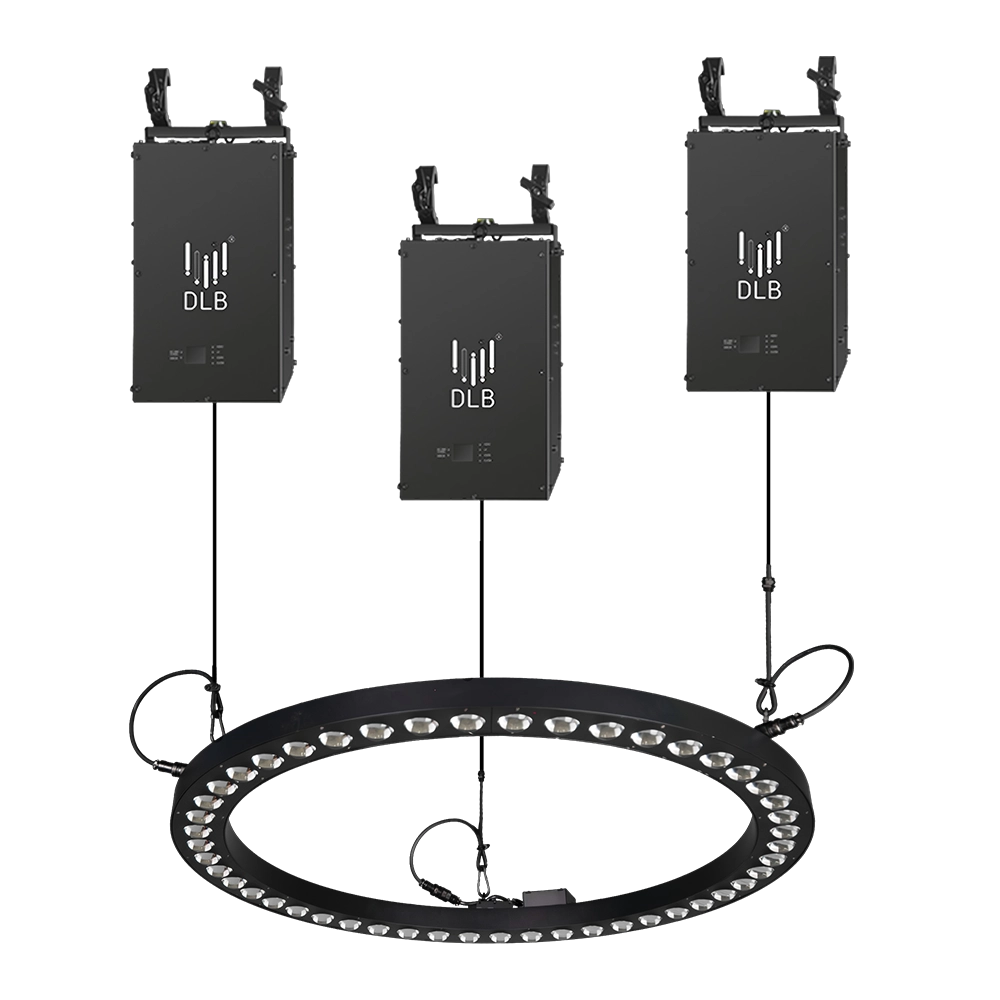
Kinetic Halo Ring——Ideal for a wide range of large-scale events: commercial spaces, TV shows, concerts, nightclubs, and various other settings.
Experience dynamic illumination with the FENG-YI Kinetic Halo Ring. This versatile kinetic light is perfect for large-scale events—commercial spaces, TV shows, concerts, and nightclubs—delivering stunning kinetic ring light effects that captivate every audience.
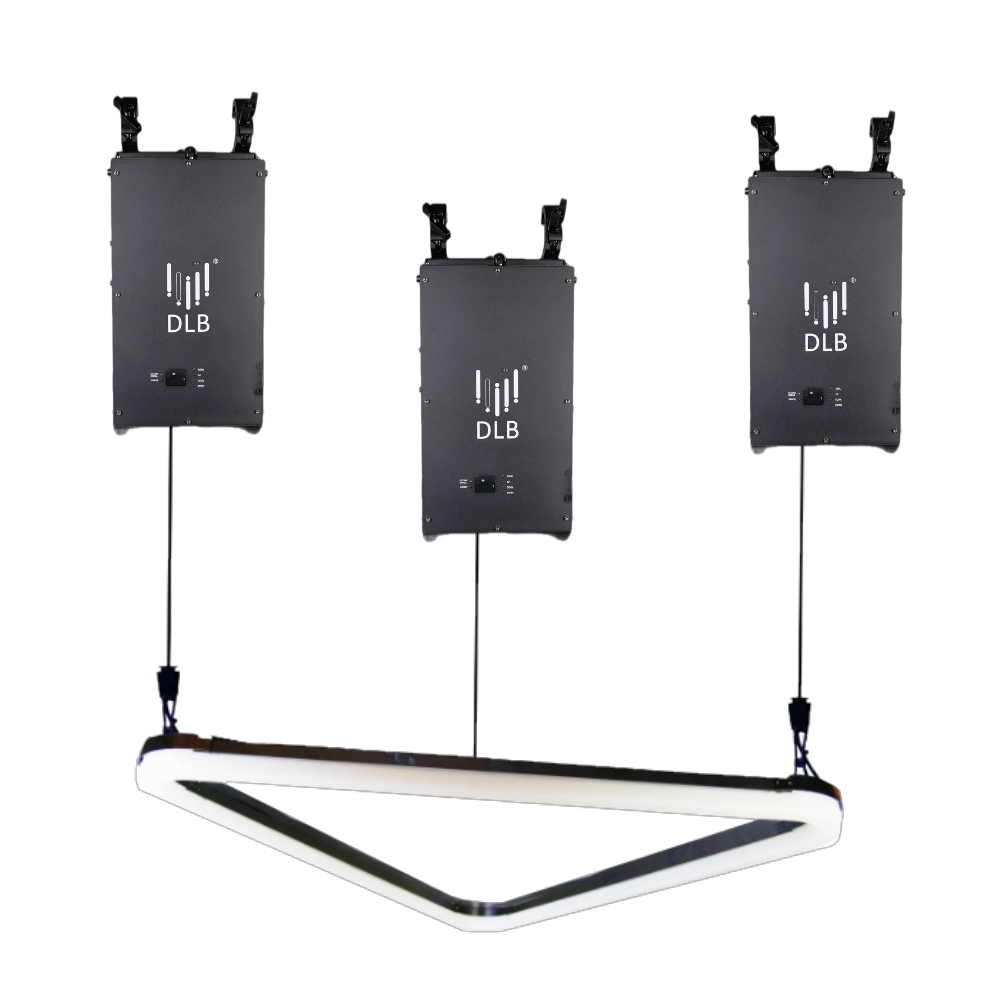
Kinetic Arc Light——Ideal for a wide range of large-scale events: commercial spaces, TV shows, concerts, nightclubs, and various other settings.
FENG-YI’s Kinetic Arc Light is a kinetic triangle LED light panel designed for large-scale events. Perfect for commercial spaces, TV shows, concerts, and nightclubs, it delivers dynamic lighting effects that captivate audiences and elevate any setting. Ideal kinetic light solution.
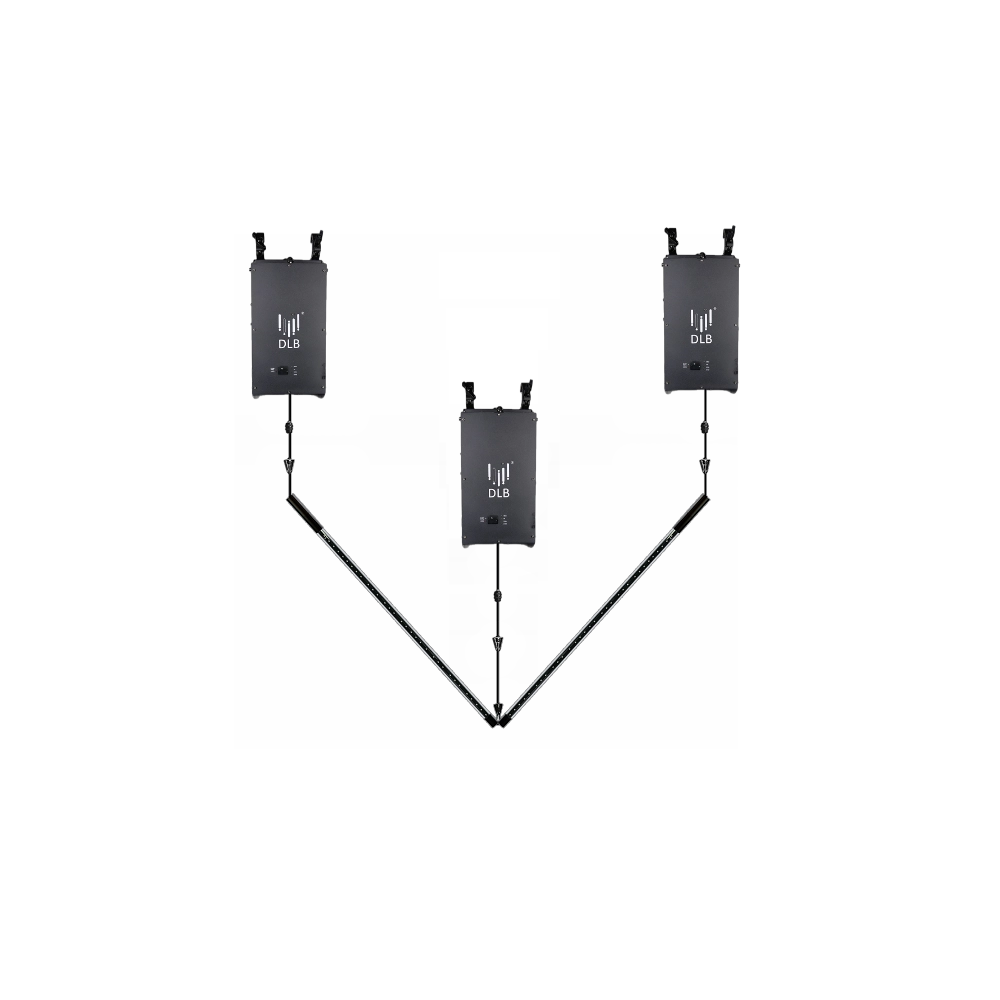
Kinetic Double Rod——Ideal for a wide range of large-scale events: commercial spaces, TV shows, concerts, nightclubs, and various other settings.
FENG-YI’s Kinetic Double Rod delivers dynamic kinetic light effects ideal for large-scale events—from concerts and nightclubs to TV shows and commercial spaces. Elevate your setup with this versatile kinetic light rod, designed for stunning visual impact and seamless integration.
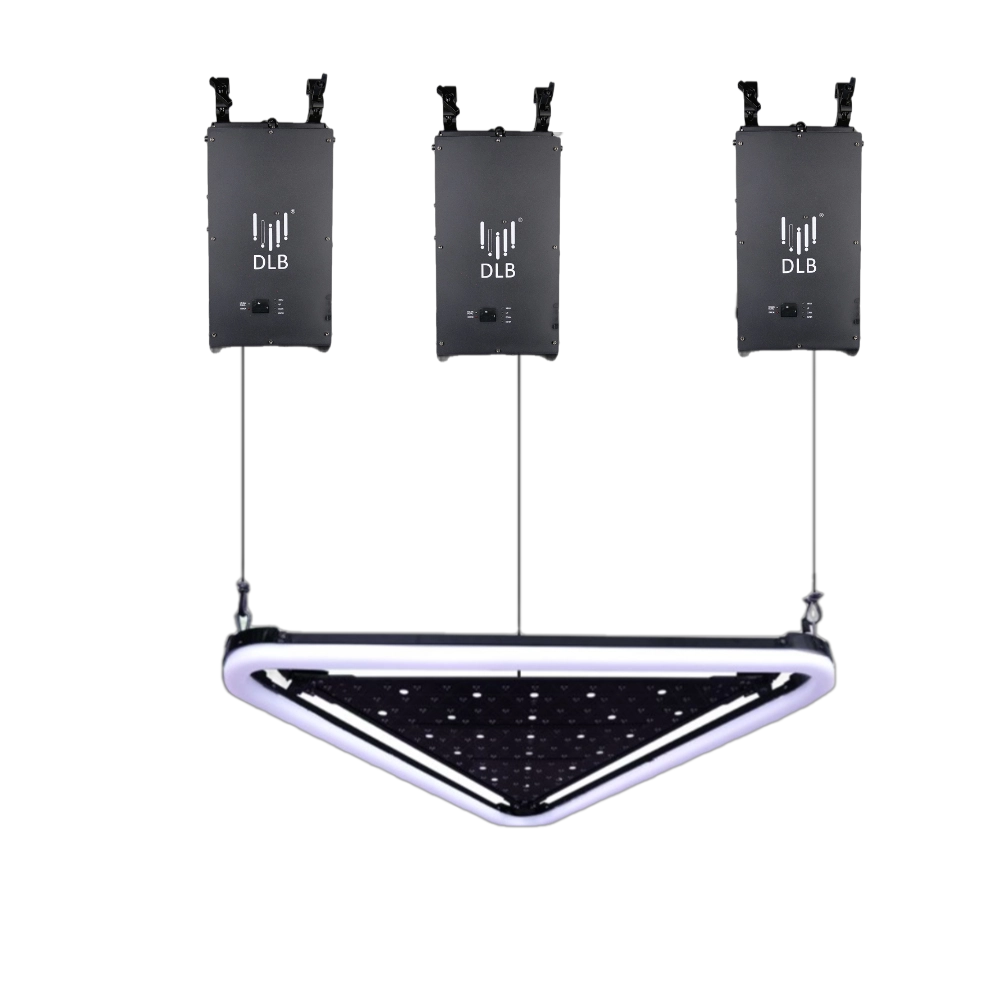
Kinetic Arc Panel——Ideal for a wide range of large-scale events: commercial spaces, TV shows, concerts, nightclubs, and various other settings.
FENG-YI’s Kinetic Arc Panel features dynamic kinetic light technology with kinetic triangle LED light panels, perfect for enhancing large-scale events like concerts, TV shows, nightclubs, and commercial spaces. Elevate your visual experience with innovative, high-impact lighting solutions.
Want to learn more about the latest updates?
Have questions or ready to illuminate your project? Reach out to our expert team today.
Rest assured that your privacy is important to us, and all information provided will be handled with the utmost confidentiality.
By clicking "Send your message," I agree to your processing my personal data.
To see how to withdraw your consent, how to control your personal data, and how we process it, please see our Privacy Policy and Terms of Use.

FENG-YI has been continuously innovating and has grown into a Kinetic Lights Manufacturer and solution provider with unique advantages.
Contact
+86 181 2785 5301
Address
Building 5, No. 34, Fuyuan Road, Jinghu IndustrialZone, Xinhua Town, Huadu District, Guangzhou, China.
© 2025 FENG-YI. All Rights Reserved.
Facebook
Instagram
YouTube
TikTok